



In advanced manufacturing, precision systems operate at the edge of physical limits.
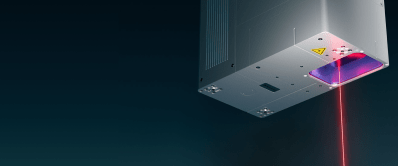
Laser additive manufacturing is one example. These systems use high-powered lasers to build complex metal components layer by layer. Production runs can last hours or even days, and during that time the laser must maintain extremely precise positioning.
Even small deviations can jeopardize the final part.
When a leading additive manufacturing company encountered drift during long build cycles, the issue quickly escalated. Their systems are used to produce high-value aerospace components, where reliability and accuracy are critical.
Solving the problem required more than replacing a component. It required understanding the full system.
Understanding the Real Problem
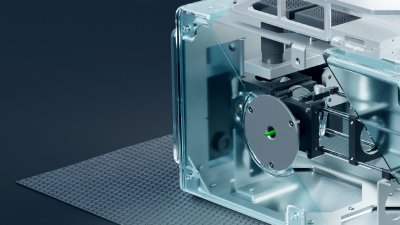
Engineering teams worked closely with the customer to analyze how thermal conditions, system architecture, and beam steering components interacted during extended operations.
The investigation revealed an important insight. The galvanometer design originally used in the system had been optimized over many years for cost efficiency in other applications. Additive manufacturing introduced operating conditions that pushed the design beyond its intended limits.
Addressing the issue required redesigning key elements of the system while maintaining compatibility with the customer’s installed machines.
According to Jens Hupkau, VP of Engineering, understanding the application environment was essential. “This wasn’t simply about replacing a component,” Jens explained. “We had to understand how the system behaved in the real application. Once we saw how thermal conditions affected the system during long builds, we could redesign the solution in a way that addressed the real problem.”
Through close collaboration and rapid engineering work, the team developed an improved design that stabilized system performance during extended operations.
The Importance of Responsiveness
From the beginning, the engineering teams focused on transparency and speed.
Data was shared openly. Hypotheses were tested and communicated quickly. Engineers from both organizations worked closely together to understand the underlying physics of the system.
That responsiveness made a difference. “The key was how quickly the team engaged with the problem,” Jens said. “They needed answers fast, and we treated it as the top priority. That level of responsiveness helped build credibility with the customer.”
What began as a technical investigation soon became something more.
From Supplier to Engineering Partner
Jide Jagunna, Senior Product Line Manager, saw the shift happen during the collaboration.
“This customer is one of the most important players in laser additive manufacturing,” Jide said. “It has been a strategic account for a long time. We had tried to engage them in the past, but it was difficult to get access to the right engineering conversations.”
The crisis created a new opportunity to work together. “As the teams collaborated on the technical problem, the customer began to see the depth of engineering expertise behind the technology,” Jide explained. “They realized they weren’t just working with a component supplier. They were working with engineers who understood the system and the application.”
That shift changed the relationship. “Once the trust was established, they began inviting us into broader discussions about future system architectures,” Jide said. “That’s when you move from supplier to partner.”
The customer later acknowledged the impact of the collaboration, noting that we had stepped up and provided a tiger team working on the solution and that the work over the past months had demonstrated a clear partnership between the two organizations.
Learning That Extends Beyond One Project
The investigation also created long-term benefits beyond the original issue.
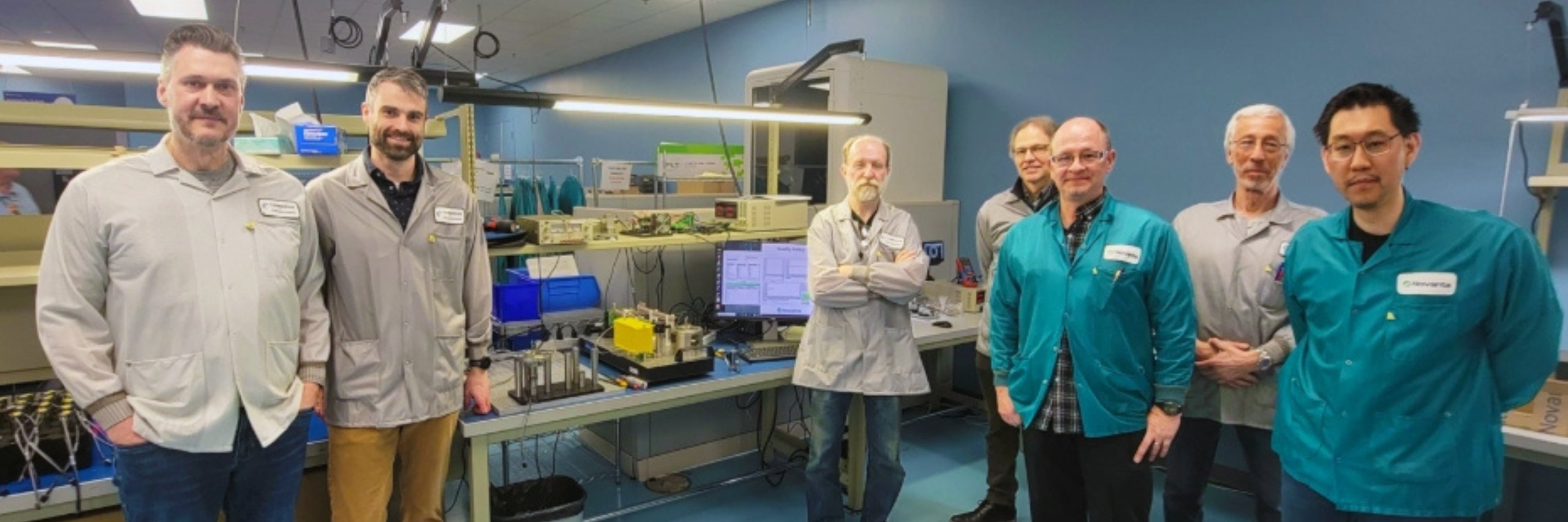
During the process, engineers developed new testing capabilities designed to simulate the extreme operating conditions found in additive manufacturing systems. Those capabilities are now being used to support other products and customers.
Jens believes that type of learning is often an unexpected benefit of difficult situations. “Sometimes a crisis forces you to focus on a problem in ways you normally wouldn’t,” he said. “If you approach it with the right mindset, it can actually make the organization stronger.”
Engineering at the System Level
Experiences like this highlight an important principle in advanced manufacturing. Customer problems rarely exist inside a single component. They exist at the intersection of system architecture, application physics, and engineering design.
Companies that understand those interactions are the ones best positioned to solve complex challenges and build long-term partnerships.
When engineering expertise is combined with transparency, responsiveness, and collaboration, even difficult problems can become opportunities to strengthen relationships and accelerate innovation.