

Many people who design medical technology get to experience it as a patient. When I did, my experience reshaped how I think about innovation.
After undergoing two minimally invasive surgeries, I saw firsthand what our technology enables: quicker recovery, reduced hospital stays, and the ability to return to normal life far sooner than was possible just a decade ago.
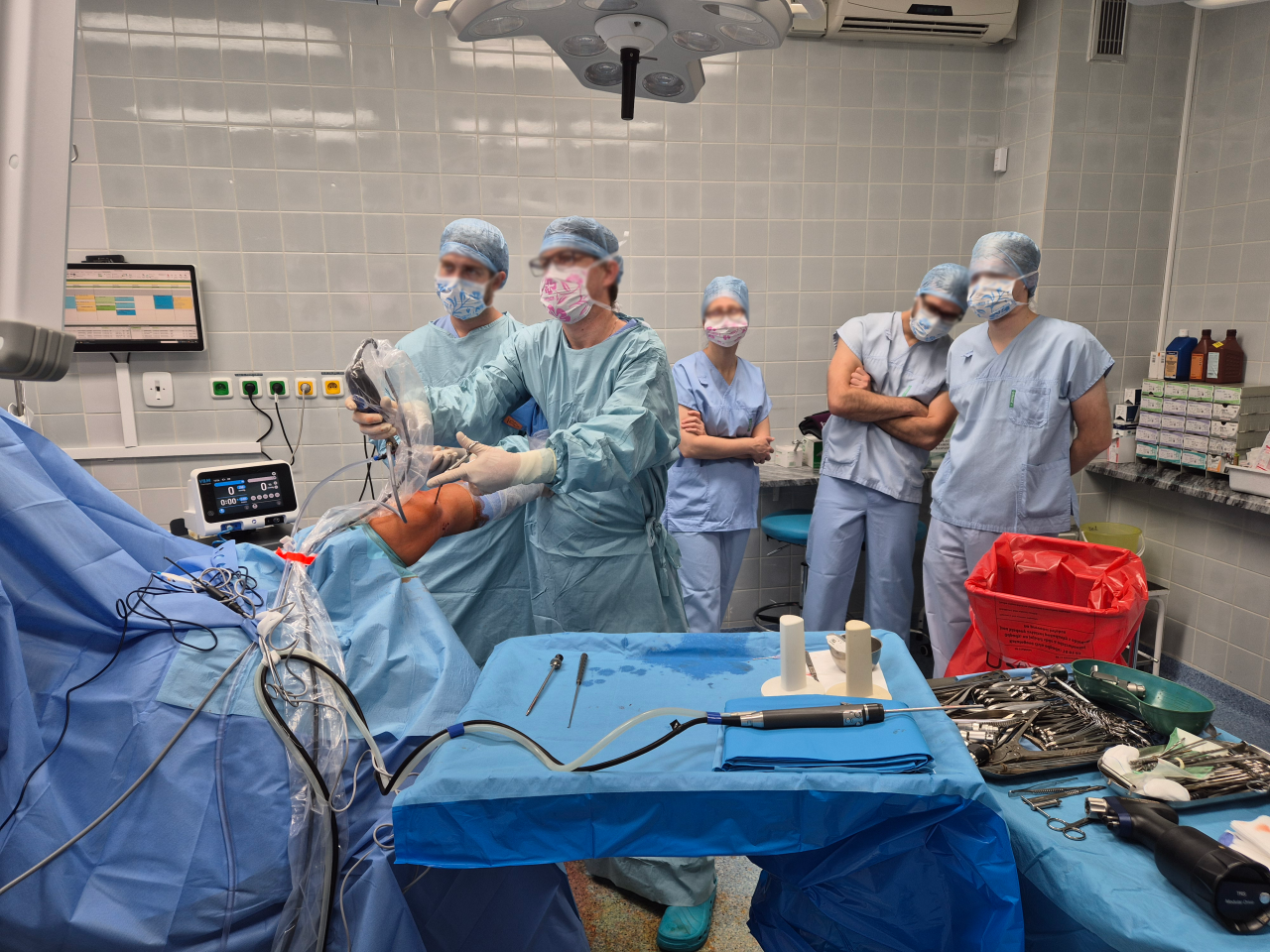
In one case, I learned pre-treatment that the surgical pump supporting my procedure was built on our technology. I saw the video from inside my own knee during surgery, an unmistakable reminder that every design choice we make shows up in someone’s body, in real time.
But the story doesn’t stop with recovery.
My personal experience led to a new partnership with a local hospital, opening the door for engineers to observe live procedures. Teams now see the realities of the operating room: fluid everywhere, zero tolerance for error, and a need for intuitive, no-nonsense usability. Those insights are feeding directly back into how we design, test, and improve our systems.
The impact is bigger than one patient. Minimally invasive surgery allows doctors to treat more people in less time, lowers costs for healthcare systems, and helps patients return to their families and work faster. Everyone benefits.
Innovation is most powerful when it’s grounded in real human outcomes. Seeing our technology through the eyes of a patient reminds us why this work matters and why getting it right is non-negotiable.