








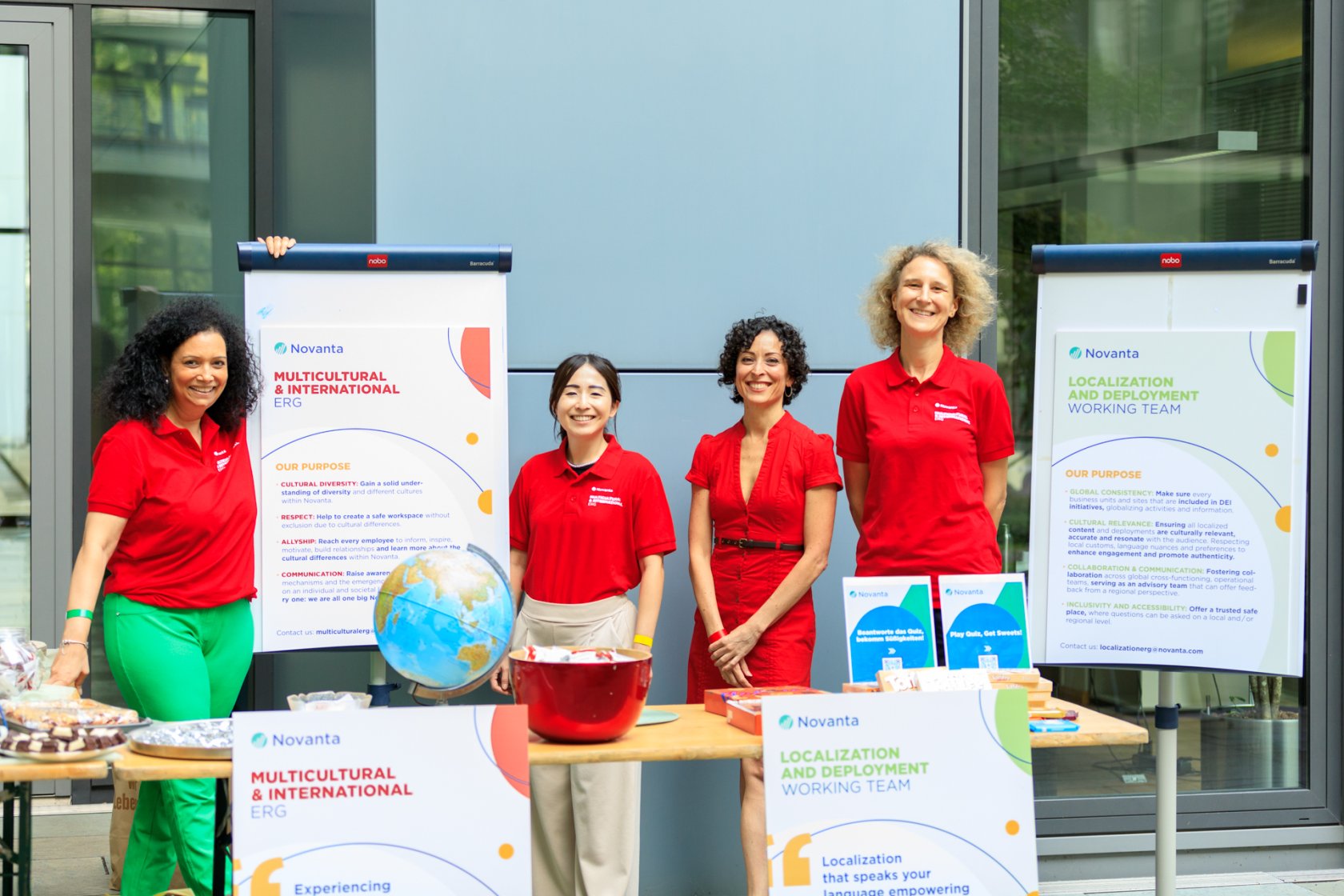
Global teams are not just defined by geography. They are shaped by how people communicate, make decisions, and build relationships.
Understanding those differences is often the difference between friction and high performance.
Simone Oehler, Senior Director of Design Assurance and Regulatory Affairs, has spent her career working across cultures, from leading international standards committees to collaborating with teams across Europe, the U.S., and Asia. Her experience highlights a simple truth: Many workplace challenges are not about capability or intent. They come from differences in how we work.
Communication Is Not Universal
In some cultures, feedback is direct and immediate. In others, it is nuanced and indirect.
For example, teams in the U.S. often express opinions openly in meetings, while teams in Japan may signal disagreement more subtly. Recognizing these patterns helps teams interpret conversations more accurately and avoid misalignment.
Decision-Making Happens in Different Places
One of the most important distinctions in global teams is when decisions are made.
Some cultures prioritize alignment before the meeting. Others expect decisions to happen during the discussion.
Leaders who understand this dynamic can adapt their approach, building alignment ahead of time when needed and creating space for discussion when appropriate.
Inclusion Starts with Connection
For employees working outside their native culture, the biggest challenge is often building initial connections.
Structured opportunities, such as employee resource groups or cultural events, can help create that first interaction. Once that connection is made, relationships tend to grow naturally.
Diverse Perspectives Drive Better Outcomes
Cultural diversity brings more than representation. It brings different ways of thinking.
Exposure to different perspectives challenges assumptions and broadens problem-solving approaches. Even when teams do not change direction, they make more informed decisions.
Turning Awareness into Advantage
Organizations that succeed globally do not eliminate cultural differences. They learn how to work with them.
That starts with awareness, but it only becomes valuable when it shapes behavior and the ways teams communicate and align so that they can effectively collaborate.
When done well, cultural diversity becomes a source of strength, not complexity.