








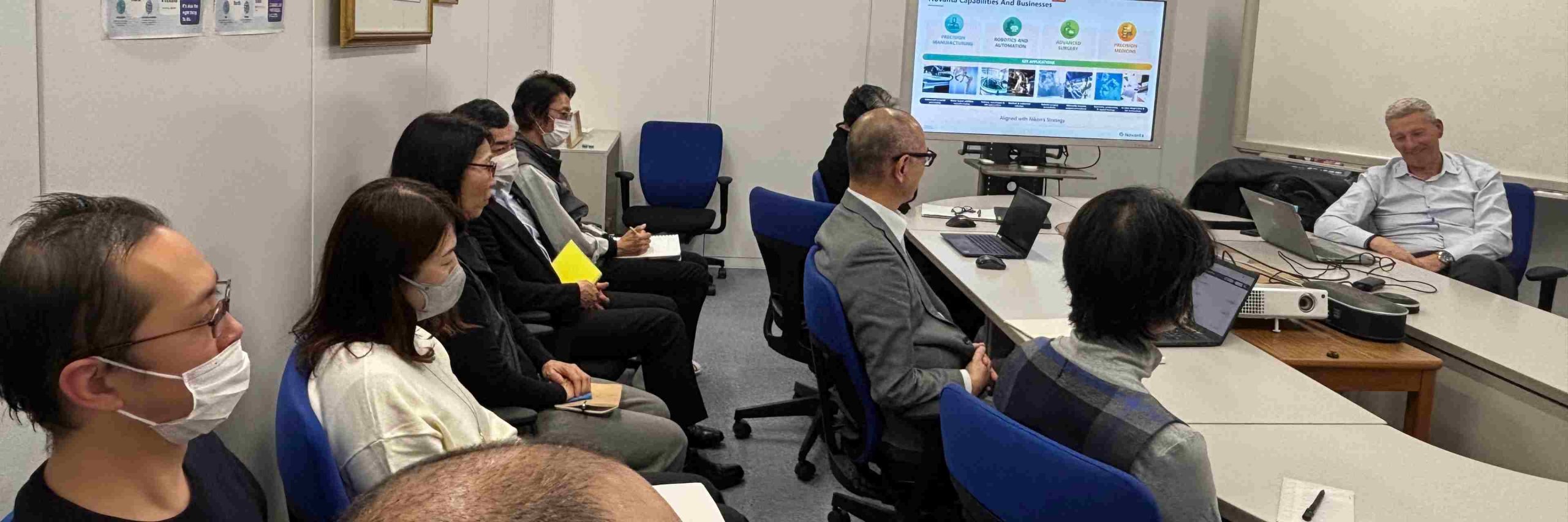
Working across global teams creates opportunity, and it also introduces complexity. One of the most important factors in navigating that complexity is understanding how different cultures communicate, make decisions, and build trust.
Nowhere is this more important than when working with Japanese teams and customers.
Communication: More Than What Is Said
Japan is often described as a high-context culture, where meaning is implied rather than stated directly. In practice, it goes even further.
Communication relies heavily on shared understanding, subtle cues, and anticipation of intent. A pause in conversation or an indirect response does not signal a lack of input. It often reflects careful consideration.
This can create a gap when working with teams from low-context cultures, where communication is expected to be explicit and immediate. In those environments, clarity and speed are prioritized, and responses are often interpreted at face value.
Without awareness, these differences can lead to misinterpretation. Silence may be seen as agreement. A delayed response may be viewed as hesitation rather than thoughtful evaluation.
When organizations recognize this dynamic and adapt how they communicate, the quality of collaboration improves. Providing clear context, allowing time for reflection, and following up in writing can unlock more meaningful input and stronger alignment.
Feedback: Clarity Looks Different Across Cultures
Differences in communication also shape how feedback is delivered.
In some regions, direct feedback, even in group settings, is common and intended to drive efficiency. In Japan, feedback is typically delivered more carefully and often in a more private setting to maintain alignment and respect.
The intent behind feedback is often the same, but the way it is expressed can influence how it is received. Understanding this distinction helps teams maintain trust while still driving performance.
Commitment: A Long-Term Promise
The most significant difference appears in how commitment is defined.
In Japan, decisions are rarely made quickly. Alignment typically happens before a decision is formalized. As a result, once a decision is made, it carries a strong expectation of consistency.
A commitment is viewed as a promise that should be upheld over time.
In many global organizations, decisions are made more quickly and may evolve as conditions change. That flexibility can be valuable, but it can also create gaps in expectations when working across cultures.
What may feel like a reasonable adjustment internally can be perceived by a Japanese customer as a change to a firm commitment. This can impact trust if not managed carefully.
Trust Is Built Through Consistency
In Japan, trust is not built through explanation. It is built through consistent execution.
This applies not only to decisions, but also to timelines. There is a strong cultural emphasis on punctuality and reliability. Meeting commitments exactly as agreed is essential.
Even small deviations can affect how a partner is perceived.
Accountability follows a similar pattern. Responsibility is often associated with the company rather than the individual. Customers expect continuity, even as roles or teams change.
Organizations that clearly document commitments and maintain visibility across teams are better positioned to meet these expectations and sustain trust over time.
Turning Differences Into Strength
Understanding Japanese business culture is not about adapting in one direction. It is about recognizing how different approaches can complement each other.
Thoughtful decision-making leads to stronger alignment. Clear communication ensures shared understanding. Consistent execution builds lasting trust.
When global teams take the time to understand these differences, they do more than avoid miscommunication. They strengthen how they operate, both internally and with customers.
In a global business environment, cultural awareness is not just a skill. It is a competitive advantage.