








By Sarah Betadam, CIO & CISO
Artificial intelligence was the topic everyone wanted to discuss at the CIO Executive Summit in San Francisco on June 10.
What surprised me wasn’t that AI dominated the agenda. It was how quickly the conversation moved beyond technology.
Technology leaders from across industries found themselves debating questions that were as much philosophical as they were technical:
Can AI be trusted? Can AI replace people? How do we balance innovation with responsibility? What role should human judgment continue to play?
Those questions became the foundation of some of the most engaging conversations I have had in a long time.
One of the summit’s strengths was its format. The event was designed by CIOs for CIOs, creating an environment where leaders could openly discuss challenges and share lessons learned, exploring ideas without the influence of vendor-driven presentations.
The reality is that every organization is trying to determine how best to harness AI. Some are focused on productivity gains. Others are prioritizing governance and compliance. Most are trying to balance all three. What became clear is that no one has completely figured it out yet. We are all learning in real time.
One discussion focused heavily on the integrity and authenticity of AI systems. Participants explored issues ranging from privacy and copyright to ethics and decision-making. While opinions varied, there was broad agreement on one point: AI can enhance human capabilities, but it cannot replace human judgment.
AI can process information quickly. It can identify patterns. It can automate workflows and improve efficiency. At the end of the day it does not possess a moral compass. It cannot independently evaluate context, weigh competing priorities or exercise judgment in the way people do.
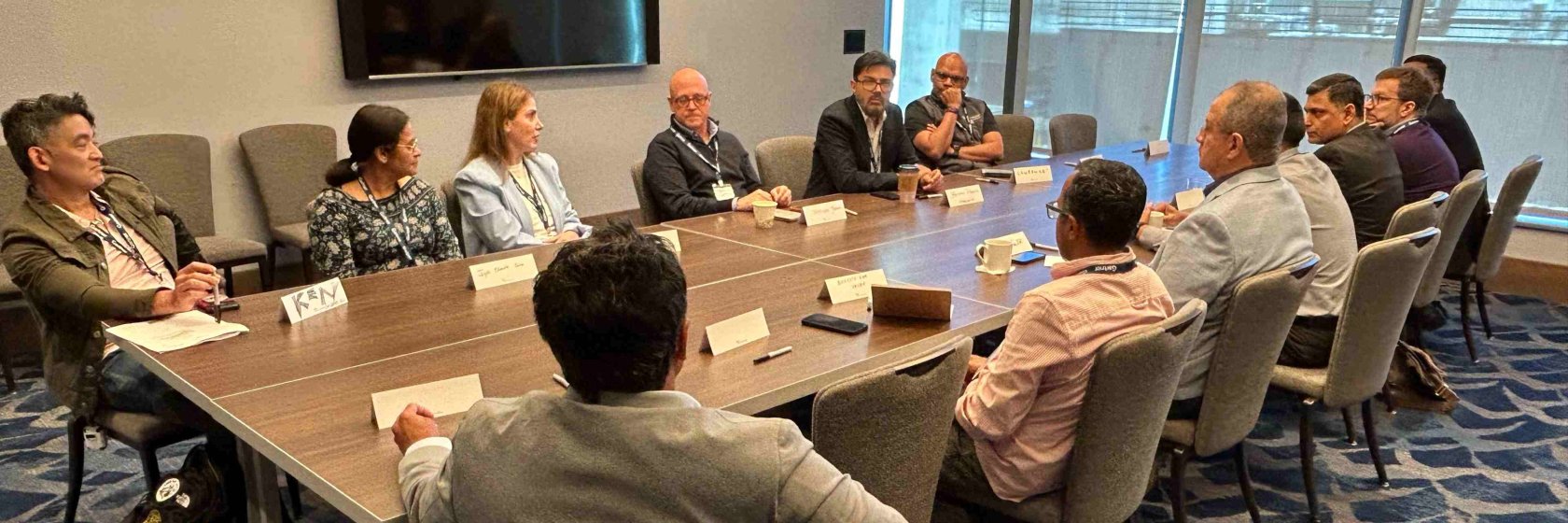
That perspective also shaped a boardroom discussion I moderated on AI vendors and data security.
As organizations adopt AI solutions, many are evaluating direct vendors. Fewer are examining the broader ecosystem behind those vendors. Where is data stored? Which third parties have access? How often are those relationships reviewed? What safeguards are in place when technologies evolve?
These questions do not always have straightforward answers. Ultimately, organizations must combine governance with due diligence and human judgment to make informed decisions. Even the most advanced AI tools cannot determine whether a business partner is trustworthy or whether a strategic decision aligns with an organization’s values and objectives.
The summit reinforced something I have always believed: technology is most powerful when it complements people rather than attempts to replace them.
As AI continues to evolve, leaders must embrace innovation while remaining thoughtful about governance, security and ethics. Success will not come from choosing between people and technology. It will come from combining the strengths of both.
That balance will continue to shape the future of every organization, including ours.