






By Maya Dav’e, Marketing Specialist
In high-volume manufacturing, even small inefficiencies can create significant cost.
In one automotive application, a robotic bin picking process was experiencing scrap and damage rates of approximately 10%. The root causes were common but difficult to solve: double picks and undetected collisions.
Double picks occur when a robot unintentionally grabs more than one part at a time. Collisions happen when the system cannot detect edges, obstructions, or unexpected part positions. Both issues reduce quality, increase downtime, and limit the scalability of automation.
To address these challenges, we had to design a new approach.
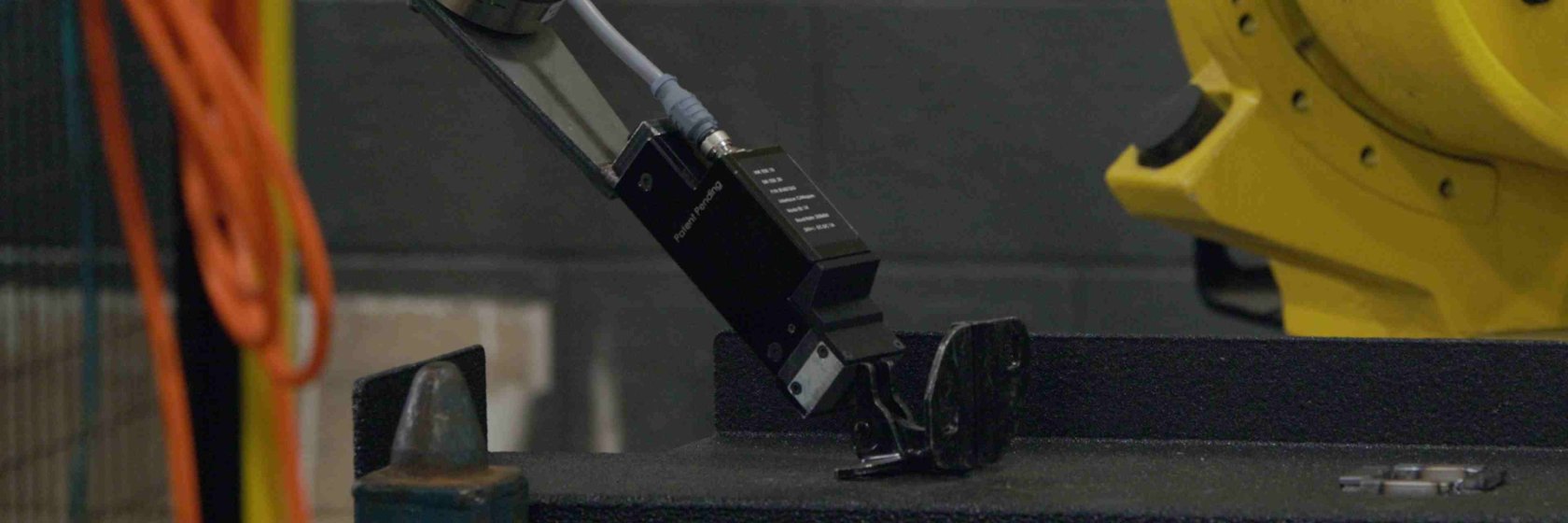
Working with Automation Intelligence, we integrated force/torque sensing into the robotic system. This added a critical layer of intelligence that traditional vision systems alone cannot provide.
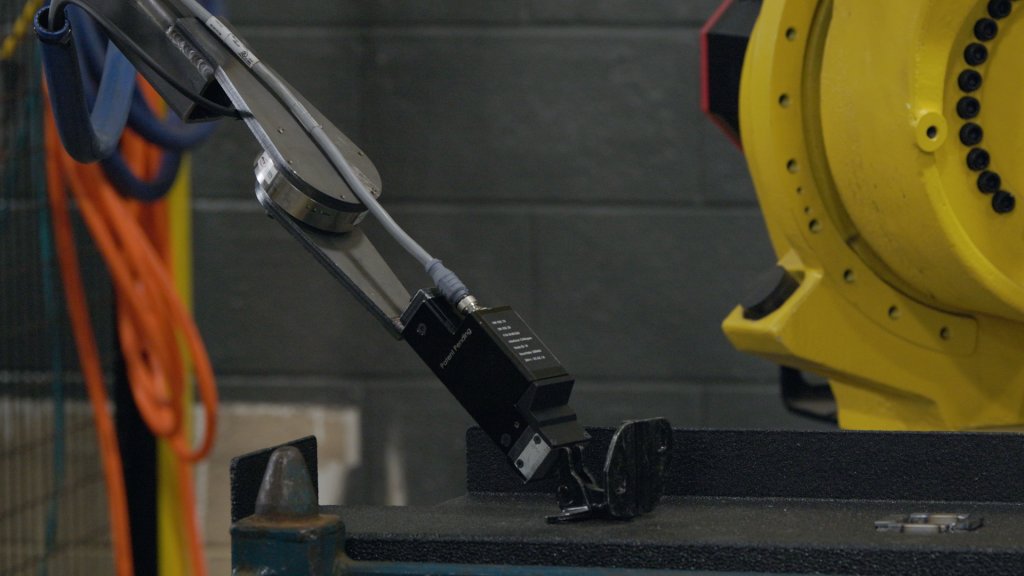
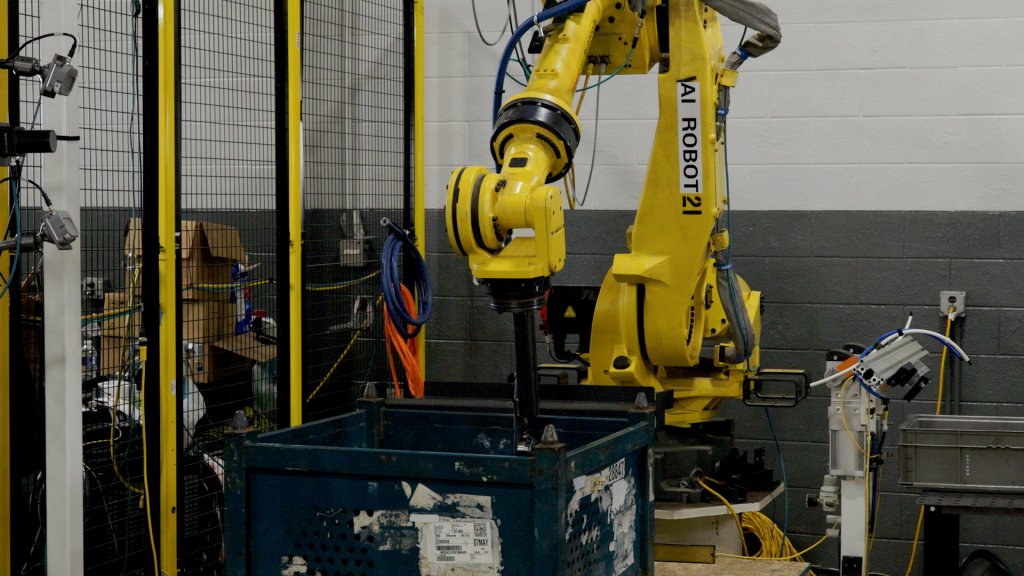
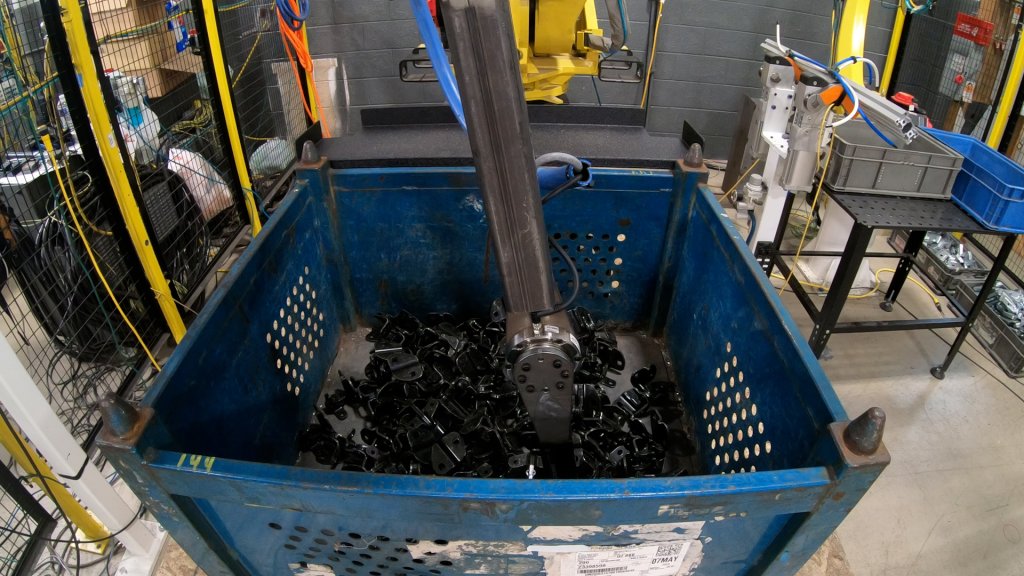
With force sensing, the robot can:
- Verify picks by measuring weight in real time
- Detect contact and stop motion before damage occurs
- Adjust dynamically to variability in unstructured environments
This effectively gives the robot a sense of touch.
The results were significant. Scrap was reduced, process reliability improved, and the system became more robust in real-world conditions.
Beyond this single application, the implications are broader.
As automation continues to expand, especially in automotive and warehouse environments, the ability to combine vision with intelligent sensing will be essential. Force/torque sensors enable higher success rates, better quality control, and faster recovery from errors, all of which are critical for scalable automation.
This is not just about improving one process. It is about enabling the next generation of intelligent, adaptive robotics.
Visit the webpage to view the video and learn more: CASE STUDY: Cracking the Bin Picking Code: How Automation Intelligence Solved Bin Picking with Force Intelligence – ATI Industrial Automation