


I never expected that one of the most impactful moments of my career would take place inside an operating room.
As a technical writer supporting medical technology products, my role focuses on documentation, instructions for use, and the information healthcare professionals depend on to use products safely and effectively. While I understand the importance of that work, I had rarely seen the environment where those products ultimately make an impact.
That changed when I had the opportunity to observe an arthroscopic knee surgery.
The experience was especially meaningful because I have been a patient undergoing knee surgery myself. As a former football player, knee injuries have been part of my story. This time, however, I entered the operating room from a completely different perspective.
I was there to observe.
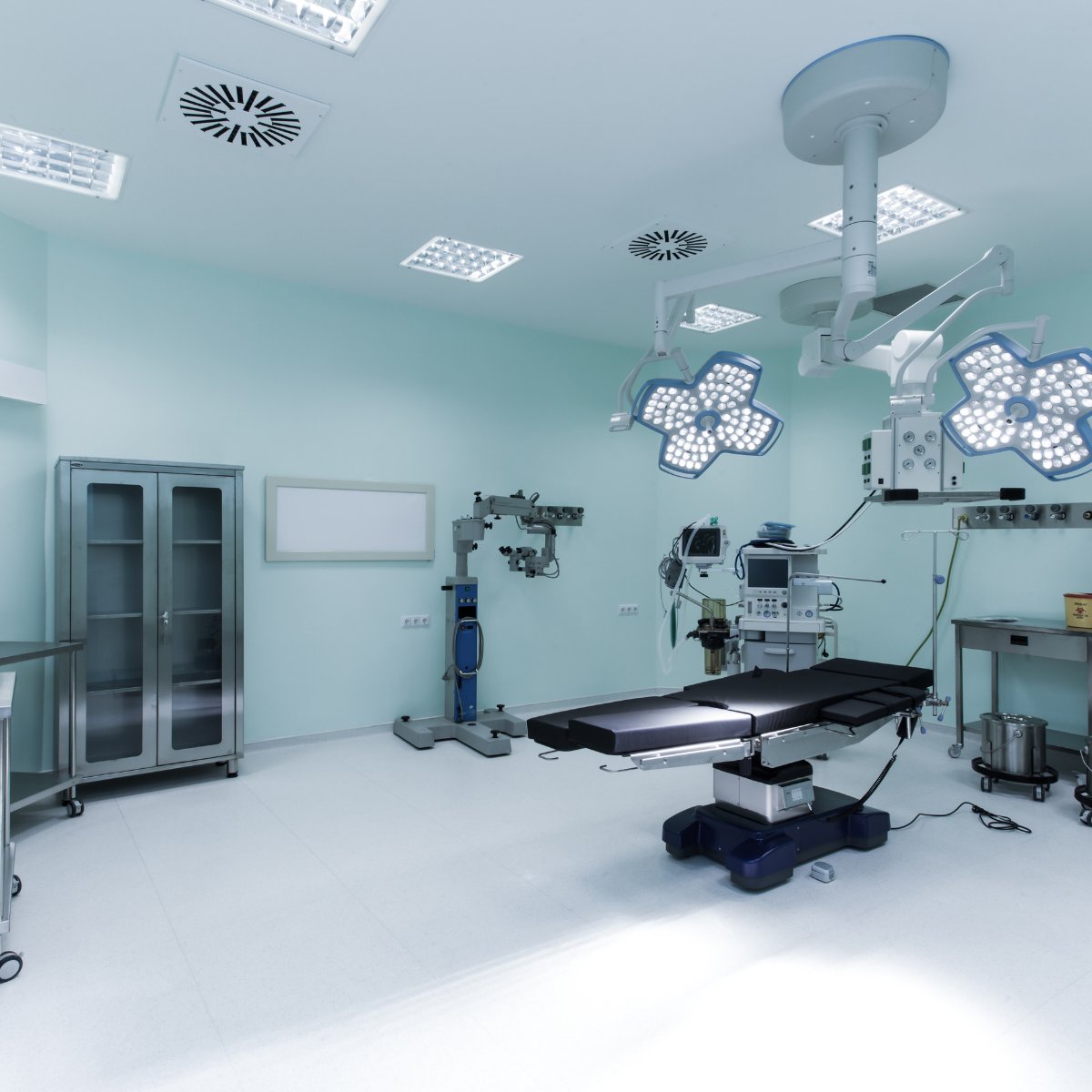
Within minutes, I realized how much I had never truly seen as a patient. The operating room was smaller than I imagined. Surgeons, nurses, assistants, equipment, and technology all worked together in a carefully coordinated environment where every movement mattered.
What impressed me most was how seamlessly technology supported the medical team. Equipment needed to adapt to different procedures and patient needs, as well as surgeon preferences. High-quality imaging delivered real-time views that helped guide precise decisions throughout the procedure.
Observing that level of coordination gave me a deeper understanding of how important usability and reliability are in healthcare settings. Technology must perform consistently, but it must also fit naturally into the workflow of the people using it.
The experience also helped me recognize the connection between my own work and the people who ultimately benefit from it.
Technical writing is often viewed as a support function. We create documentation, instructions, labels, and information that help products reach the market and remain compliant with regulatory requirements. It is important work, but it can sometimes feel removed from the patient experience.
Standing in the operating room changed that perception.
I could see brands, products, packaging, and tools connected to work we support every day. Suddenly, the relationship between documentation and patient care became very real. Behind every process is a healthcare professional relying on accurate information to perform their job effectively.
Most importantly, there is a patient.
Seeing that connection reinforced why quality matters. Every decision, review, update, and improvement contributes to a larger ecosystem focused on helping people receive the care they need.
The visit also left me with a deep appreciation for healthcare professionals. Watching surgical teams perform with precision highlighted the trust they place in the technologies around them. They depend on those tools to work flawlessly, which makes the responsibility shared by everyone contributing to healthcare innovation even more meaningful.
The experience reminded me that innovation is not only about technology. It is about people. It is about the surgeon who depends on reliable equipment and the healthcare team working together in a demanding environment. Ultimately, it’s about the patient hoping for a better outcome.
For me, seeing that reality firsthand transformed how I think about my role and reinforced why the work we do every day matters.
By David Konečný, Technical Writer