







Trade shows are often measured by booth traffic or lead counts. While those metrics have their place, some of the most valuable insights come from smaller conferences where conversations are deeper and audiences are highly specialized, allowing technical discussions to drive the agenda.
This summer, our Precision Manufacturing team participated in two such events: Quantum 2.0 in Scotland and UP2026 in Japan. Although very different in focus, both conferences reinforced the value of engaging directly with engineers and technical experts who are helping shape the future of their industries.
Listening to the Market
At Quantum 2.0, one theme became immediately clear: The quantum technology ecosystem is still evolving.
Unlike more established industries, there is no single dominant technology approach. Researchers and developers are actively exploring multiple pathways, making conferences like Quantum 2.0 important forums for collaboration and knowledge sharing.
The conversations our team had reflected that environment. Attendees were interested not only in products and capabilities, but also in engineering processes and development approaches, along with technical best practices. These discussions provided valuable insight into how researchers are evaluating technologies and where future opportunities may emerge.
We also heard recurring questions about technologies and specifications that are gaining attention across the market, providing a useful window into evolving customer requirements and industry priorities.
Strengthening Connections in the Ultrafast Laser Community
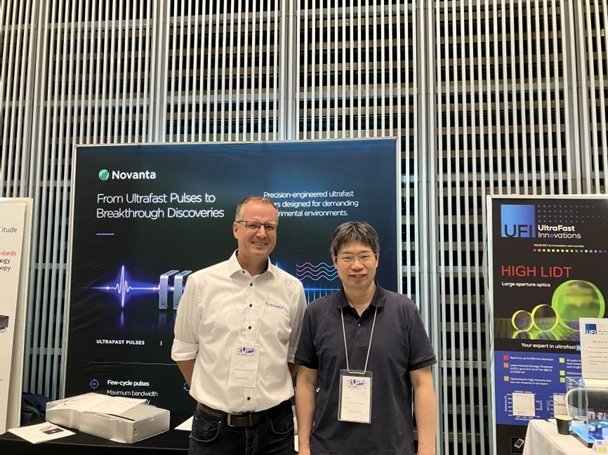
UP2026 offered a different perspective, bringing together a highly technical audience focused on ultrafast laser applications and research.
The conference provided an opportunity to build visibility for our brand while reconnecting with existing users of Laser Quantum technologies. Several attendees recognized the technology but were surprised to learn it is part of Novanta today, highlighting the continued opportunity to strengthen awareness of our broader capabilities.
Equally valuable were the conversations with researchers and customers who shared insights about how their systems are being maintained and optimized. These interactions help create a stronger understanding of application needs while supporting the collaborative relationships that drive innovation.
Why Smaller Shows Matter
Large trade shows will always have an important role in building awareness and launching new technologies. Smaller events serve a different purpose.
They create space for meaningful technical discussions and direct engagement with end users, providing real-time insight into emerging trends. They allow engineers to connect with researchers to exchange ideas and organizations to better understand where markets are heading.
For us, that means returning with more than potential opportunities. It means bringing back knowledge and a deeper understanding of the challenges and innovations shaping the future.
As we continue refining our event strategy, those insights will help guide how we engage with customers and support emerging applications, participating in the conversations driving next-generation technologies.
By Madison Maglin, Marketing Communications Specialist