

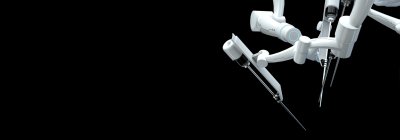






Robotic surgery has moved from early experimentation to becoming a critical part of modern healthcare. Surgeons like Dr. Krüger have been at the center of that evolution, helping define how the technology is used today and where it is going next.
From Early Adoption to Everyday Impact
More than a decade ago, robotic surgery was still in its early stages. Surgeons worked with limited tools and minimal training infrastructure. Many learned by doing, adapting traditional techniques to a new interface.

What began as an emerging capability has now become a standard approach for many complex procedures.
A key turning point came when a system originally designed for heart surgery was repurposed for prostate procedures. That shift demonstrated the power of precision in confined spaces and helped accelerate adoption across specialties.
Why It Matters for Patients
The benefits of robotic surgery are most visible in patient outcomes.
Minimally invasive approaches reduce trauma and help patients return to daily life faster. In some cases, procedures that once required long hospital stays now allow patients to recover in days.
These improvements are especially important for older patients or those with additional health risks, where reduced physical strain can significantly improve outcomes.
A Digital Layer in Surgery
Robotic systems are doing more than enhancing physical precision. They are introducing a digital connection between the surgeon and the patient.
This opens the door to new possibilities:
- Measuring surgical performance and improving consistency
- Using data to guide decisions in real time
- Enhancing training through simulation and feedback
- Expanding access through remote collaboration
As these capabilities develop, surgery becomes not only more precise but also more data-driven and scalable.
The Road to 2040
Looking ahead, the future of robotic surgery is shaped by integration.
Artificial intelligence will support decision-making and digital footprints will help track and improve surgical performance. These systems will become more connected, enabling collaboration across distances.
Rather than replacing surgeons, technology will enhance their capabilities and redefine what excellence looks like in the operating room.
Our Role in Advancing Surgical Innovation
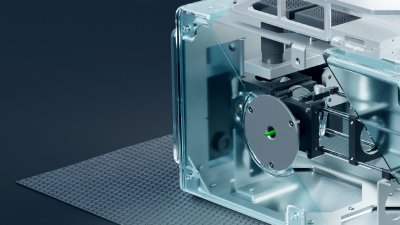
We support the technologies that power robotic surgery. Our solutions help enable precision, control, and performance across surgical systems.
We work closely with leading medical device companies to solve complex challenges and bring new capabilities to life. Together, we are helping shape a future where surgery is safer and more accessible.