







Operational transitions require more than technical execution. They require trust and collaboration, along with a deep commitment to maintaining continuity for customers.
We recently reached an important milestone in a production transition with the successful shipment of the first customer order from our Apex, North Carolina, facility. As production activities conclude at our Marlborough, Connecticut, site, the transition effort continues to focus on ensuring a smooth operational ramp and uninterrupted customer support.
From the outset, the priority remained clear: protect quality and maintain customer confidence, while transferring operational expertise responsibly.
Building Confidence Through Validation
Before customer orders launched from Apex, teams implemented a structured validation process for Apex-built assemblies. Inspection protocols, qualification planning, and production sequencing were carefully designed to ensure consistency and quality throughout the transition.
Collaboration Across Locations
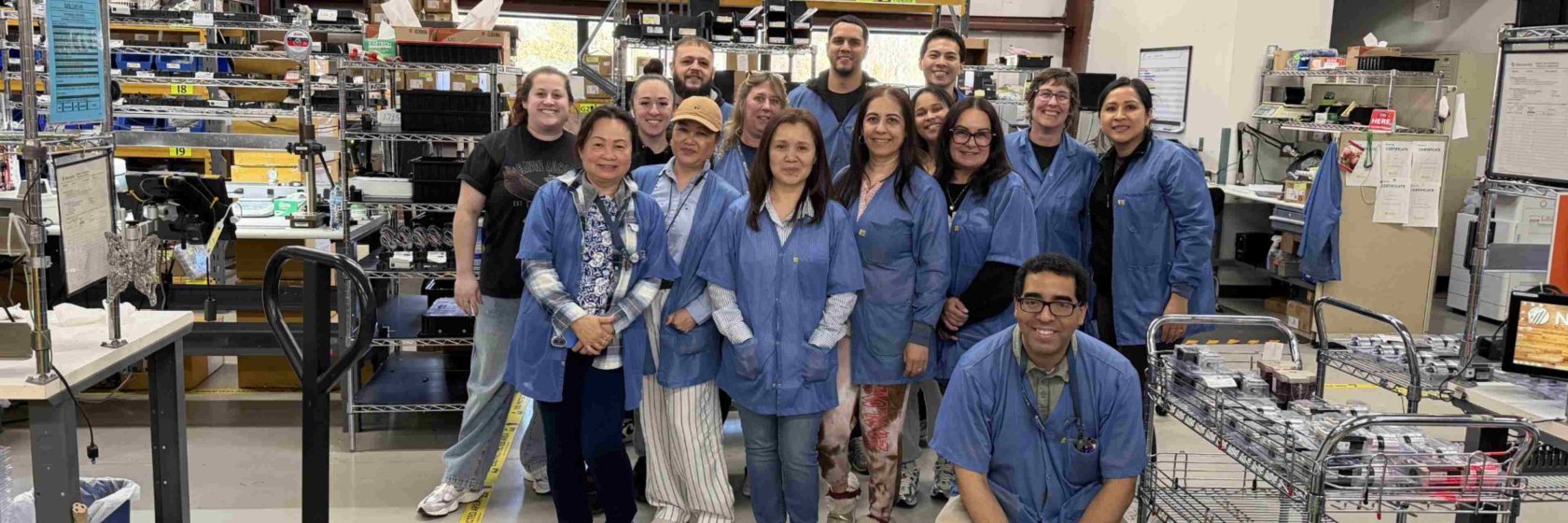
Employees from Marlborough and Apex worked side by side throughout the transfer process. Teams conducted on-site training, reviewed work instructions collaboratively, supported production cell setup, and shared operational expertise built over many years.
That hands-on partnership accelerated readiness while preserving critical product and process knowledge.
Direct Customer Dialogue
Leadership engaged proactively with customers throughout the transition process to answer questions and explain operational changes, gaining understanding of what would provide confidence during the move. Those conversations helped reinforce transparency and alignment while minimizing disruption.
Operational Resilience During Change
Complex transitions inevitably involve challenges, including supply chain adjustments, enterprise resource planning (ERP) system changes, logistics coordination, and evolving trade dynamics. What stood out throughout this effort was the ability of cross-functional teams to respond quickly and collaborate effectively to maintain focus on operational continuity.
The transition also reflected the importance of leadership and institutional knowledge. Employees across both sites remained focused on supporting one another and ensuring a successful ramp long after production activities concluded in Marlborough.
As the project continues, our focus remains clear: maintain quality, support customers, strengthen operational capability, and continue building a more resilient organization for the future.