




By: Johannes Tschepe
When most people think about minimally invasive surgery, they picture the surgeon.
What they often don’t see is the technology working behind the scenes to create the conditions that make those procedures possible.
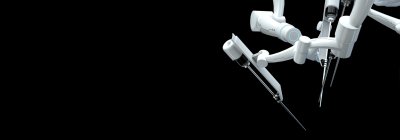
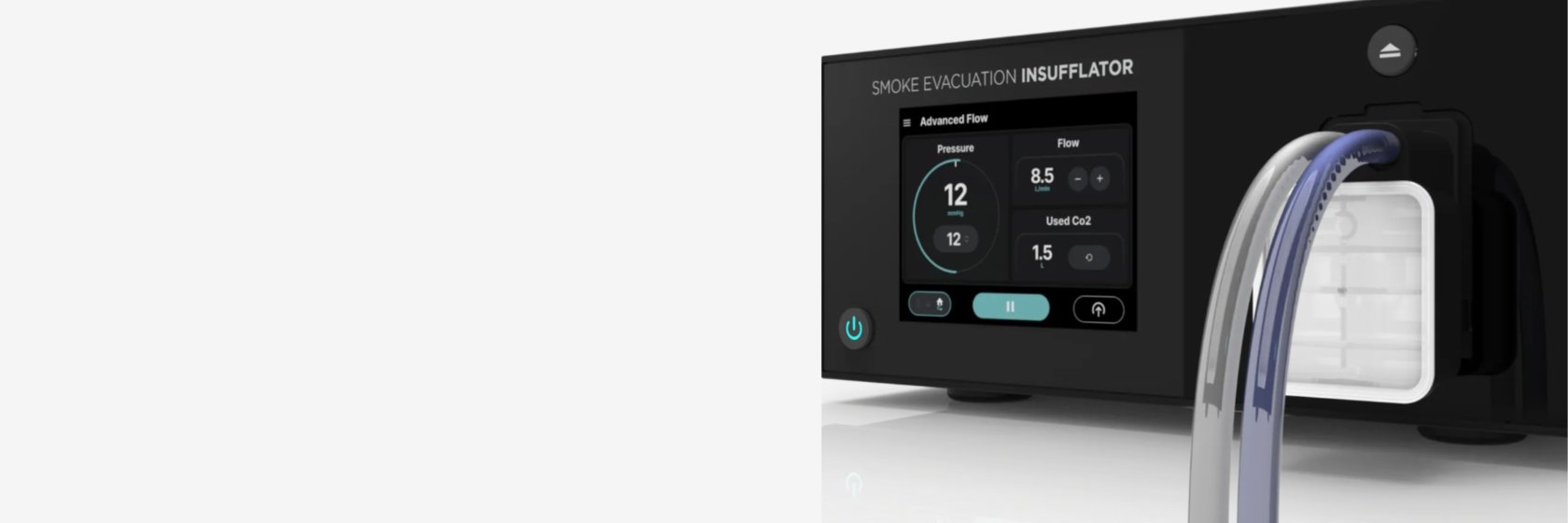
Our Advanced Surgery business partners with many of the world’s leading medical device manufacturers to develop insufflation and smoke evacuation technologies that help surgeons operate with greater visibility, precision, and efficiency. While these systems may not be visible to patients, they play a critical role in supporting successful surgical procedures every day.
Creating the Space Surgeons Need to Operate
Minimally invasive surgeries are performed through small incisions rather than large openings, helping reduce patient trauma and support recovery. To perform these procedures, surgeons need a clear view and adequate space to maneuver specialized instruments.
That space is created through a process called insufflation.
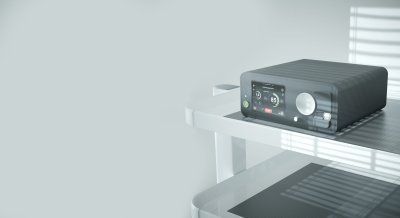
Working closely with OEM partners, we develop technologies that deliver and regulate carbon dioxide (CO₂) within the body cavity to create a stable operating environment. Maintaining that environment requires continuous monitoring and adjustment throughout the procedure.
If pressure drops too low, visibility and access can become compromised. If pressure rises too high, unnecessary strain can be placed on the patient. Advanced insufflation technologies continuously monitor pressure levels and automatically adjust gas flow, helping maintain a consistent surgical field from start to finish.
Integrated into surgical systems used around the world, these technologies help provide the stable conditions surgeons need to focus on the procedure itself.
Managing Surgical Smoke for Better Visibility
Many minimally invasive procedures rely on energy-based surgical tools that generate smoke, often referred to as surgical plume.
If not properly managed, surgical smoke can obstruct visibility, interrupt workflow, and require repeated intervention to clear the surgical field. These disruptions can affect procedural efficiency and divert attention away from the task at hand.
To address this challenge, we collaborate with OEM customers to develop smoke evacuation technologies that help remove surgical plume while maintaining the desired insufflation pressure. By integrating insufflation and smoke management capabilities, these solutions help support a clearer view of the anatomy and a more stable operating environment throughout the procedure.
The result is improved visibility, fewer interruptions, and more efficient operating room workflows.
Innovation Through Collaboration
Much of our impact on advanced surgery occurs behind the scenes.
Through partnerships with leading medical device OEMs, our engineers work closely with customers to solve complex clinical and technical challenges. Together, we develop enabling technologies that are incorporated into the surgical platforms healthcare providers rely on every day.
These collaborations combine Novanta’s expertise in precision technologies with our customers’ understanding of clinical needs, helping accelerate innovation and advance the capabilities of minimally invasive surgery.
Advancing Surgery, One Innovation at a Time
From maintaining a stable operating field to improving visibility during surgical procedures, insufflation and smoke evacuation technologies help create the conditions surgeons need to focus on what matters most: delivering the best possible care for patients.
It’s another example of how our innovation helps enable medical technologies that make a difference for people around the world every day.