



By Nick Borst, Specialist Market Intelligence
Innovation doesn’t start with technology. It starts with understanding the people who use it.
As we continue exploring opportunities within the gastrointestinal (GI) market, we believe some of the most valuable insights come directly from the clinicians performing procedures every day. Their experiences help us move beyond assumptions and focus on challenges that truly matter.
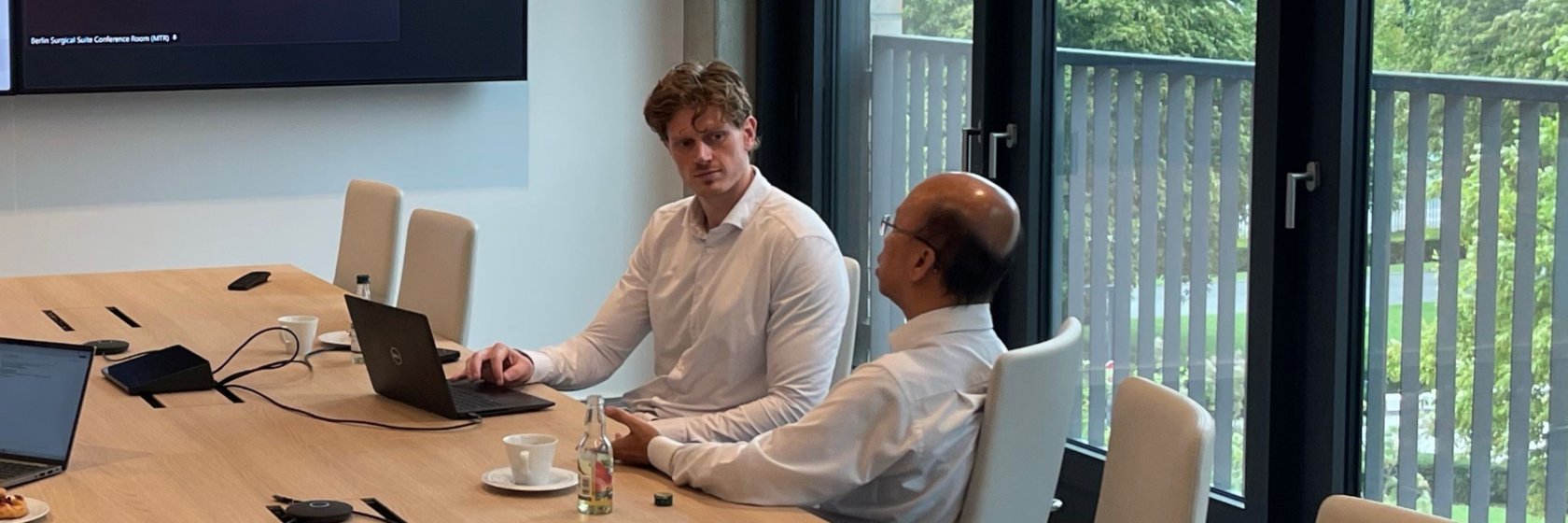
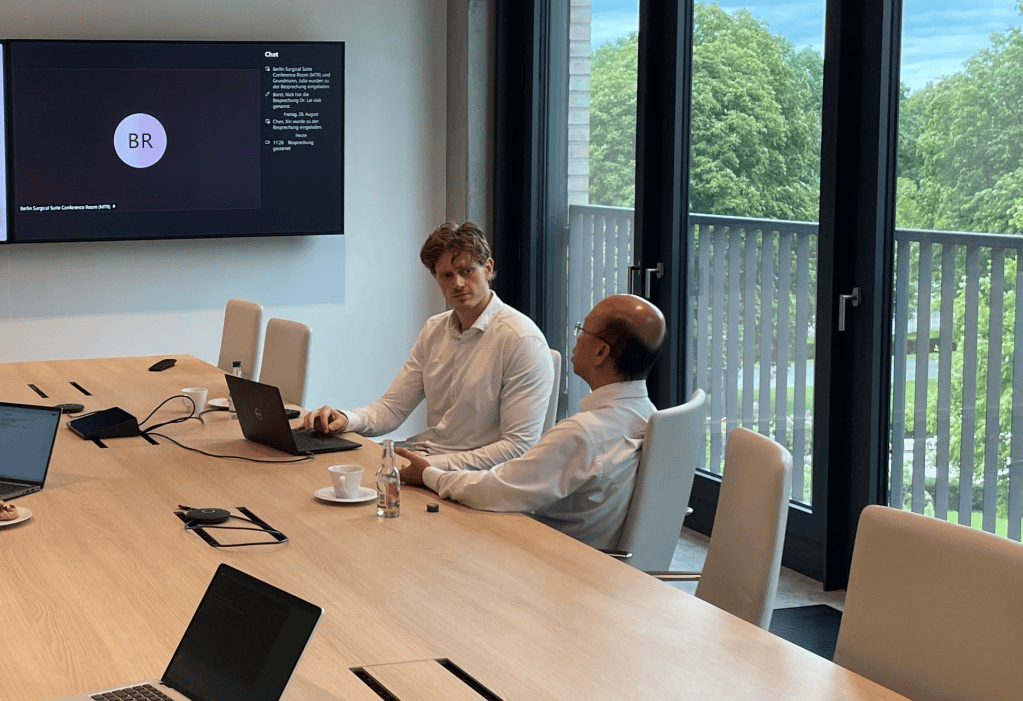
Recently, our team welcomed Dr. Lai Tak Wing, a consultant surgeon in Hong Kong, to our Berlin, Germany site. Dr. Lai is the first surgeon from Asia to join this dialogue, following several conversations with clinicians across Europe, and his perspective helped us see where needs are shared and where they differ.
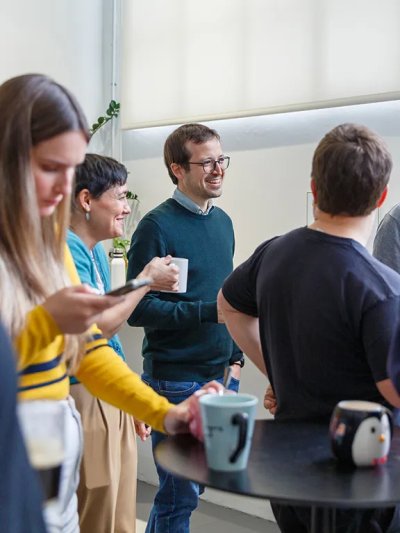
Bringing together employees Julia Grundmann and Nick Borst from Upstream Marketing and Aleksandr Hochenkov and Xin Chen from Advanced Engineering created an opportunity for open dialogue about GI workflows, procedural challenges, and potential opportunities for innovation.
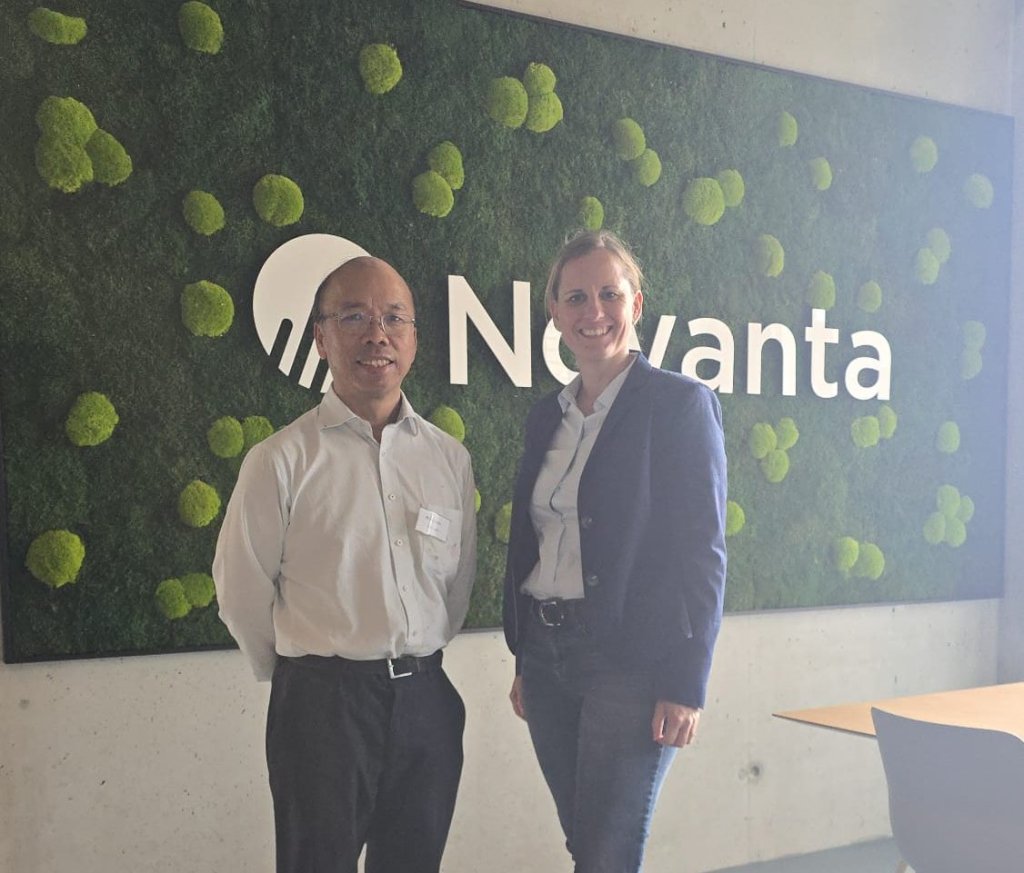
With our long-standing expertise in insufflation and fluid management for minimally invasive surgery, we wanted to understand where these capabilities could make a difference in GI endoscopy.
The conversations covered everything from routine diagnostic procedures to highly complex therapeutic interventions.
Simplicity When Every Minute Counts
One key takeaway was the importance of simplicity. In many diagnostic and emergency procedures, clinicians need technology that works quickly, reliably, and with minimal setup. Speed and ease of use are often just as important as advanced functionality. Routine diagnostic endoscopy is typically high volume and performed under significant cost pressure. In emergencies, the demands are even greater: As Dr. Lai explained, GI bleeding cases can last for hours, yet the team must be ready to act from the moment the patient arrives. Complex setup or time-consuming device adjustments become real obstacles when every minute matters.
Complex Procedures, Greater Opportunity
The discussion also highlighted how procedural complexity creates opportunities for innovation. Therapeutic procedures such as endoscopic submucosal dissection (ESD), which is used to remove large lesions and early-stage tumors, can require prolonged use of insufflation, irrigation, and suction while maintaining clear visualization throughout the procedure. Bleeding and smoke can quickly obscure the view, so keeping the field clear is essential to keeping the procedure moving. Understanding these challenges helps identify areas where technology can create meaningful value.
Balancing Clinical Benefit and Cost
Another important insight involved the balance between clinical benefits and economic realities. While carbon dioxide (CO₂) insufflation has become increasingly common because it can improve patient comfort after the procedure, clinicians and healthcare systems must also consider cost. As a result, room air is still used for insufflation in many settings. Understanding both perspectives is essential when evaluating future solutions.
Different Perspectives, Better Questions
Most importantly, the visit reinforced the value of bringing together diverse expertise. Engineers ask different questions than marketers, and clinicians provide perspectives neither group can gain on their own. When those viewpoints come together, the result is a deeper understanding of real-world needs.
Technology can solve many challenges. Listening helps determine which challenges are most important to solve.
What’s Next
After Europe and now Asia, our next step is to speak with surgeons in the United States to complete our picture of how GI procedures and priorities differ between regions.
As we continue exploring opportunities in GI, we remain committed to working closely with clinicians around the world and developing solutions that address meaningful needs in healthcare.