



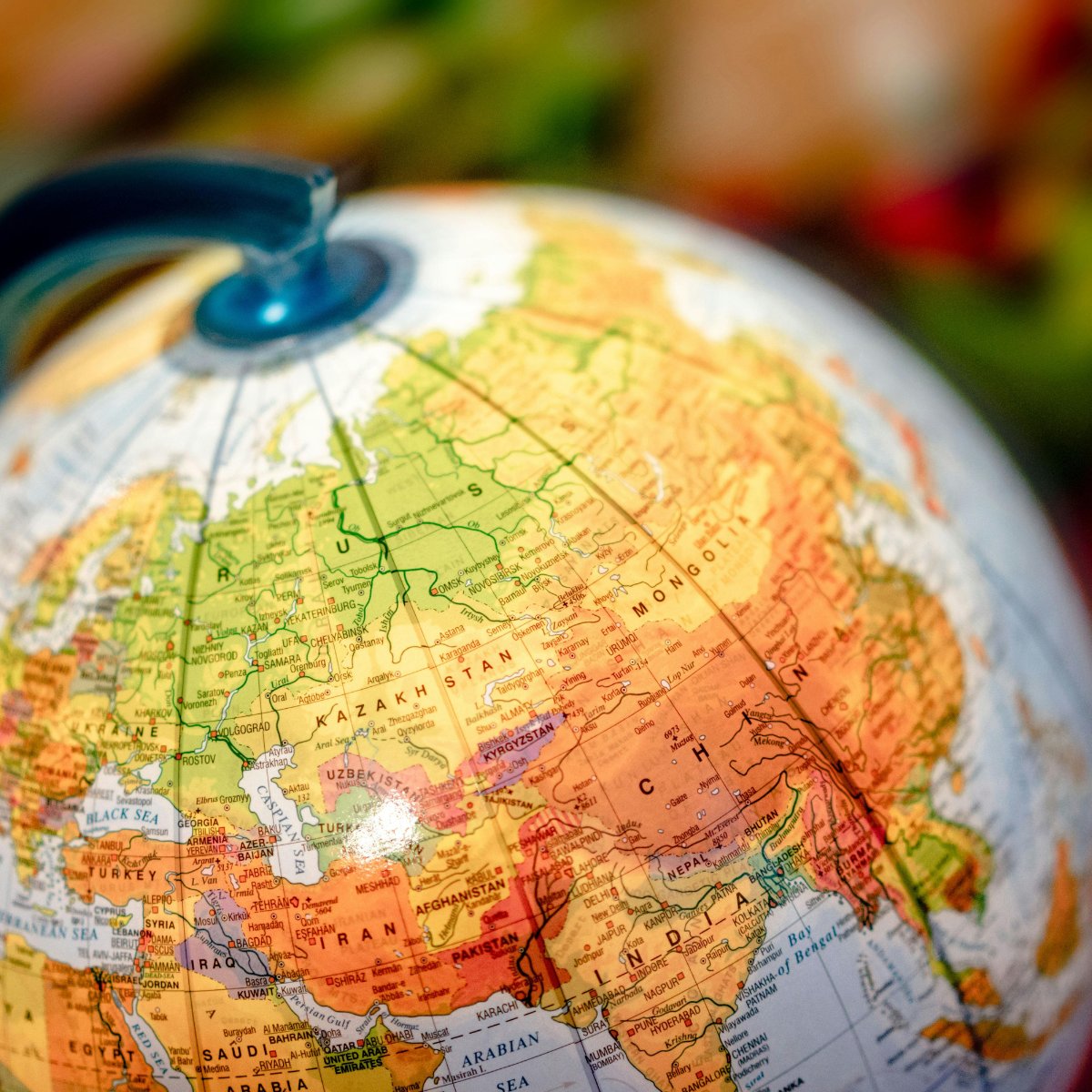
I’ve spent much of my career working with customers and teams across Europe, Asia, and the United States. Those experiences have taught me that successful collaboration depends as much on communication as it does on technical expertise.
That’s why I decided to take the Culture Map Assessment.
I wanted to better understand the cultural dynamics that influence how people work together and identify opportunities to strengthen my own communication style.
One of the most interesting findings was that my results landed between a typical German and U.S. profile. As a native German who has worked extensively with U.S.-based teams, I’ve naturally adopted a mix of both approaches, combining German precision and directness with greater flexibility and speed.
That combination has helped me manage complex projects by balancing quick decision-making with a strong focus on quality and accuracy.
The assessment also reinforced an important lesson I’ve learned through experience: Communication must adapt to the audience. Several years ago, I presented the same technical content to customer teams in Poland and Japan. While the message didn’t change, the way I delivered it did. Each audience had different expectations and communication preferences. Recognizing that difference made the presentations far more effective.
I’ve seen similar situations within global project teams. In one cross-Atlantic initiative, different expectations around decision-making created tension. By combining fast decisions with structured validation, we found an approach that worked for everyone and strengthened collaboration.
Ultimately, cultural awareness helps build trust. When people feel understood, they communicate more openly and collaborate more effectively, producing better results together.
One insight I’ve reinforced through this experience is the importance of confirming alignment. Not every culture communicates agreement or disagreement in the same way, so taking the time to validate understanding can prevent misunderstandings and improve decision-making.
The Culture Map Assessment reminded me that there is no single best way to work. Every culture brings unique strengths. Understanding and adapting to those differences is what enables stronger collaboration in today’s global environment.