







I have always been fascinated by culture.
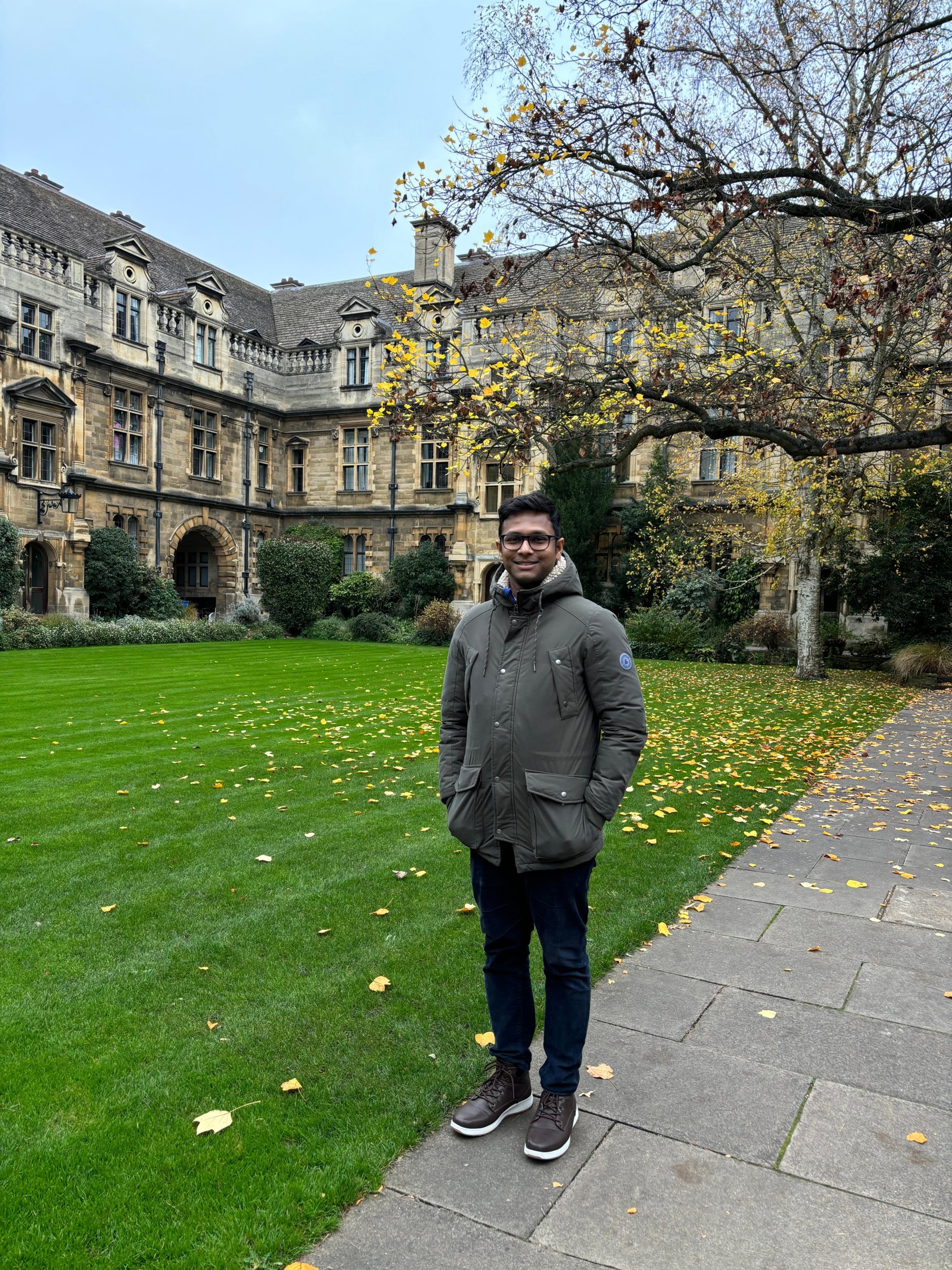
Born and raised in Malaysia, I moved to Europe more than ten years ago, spending time in Ireland before eventually settling in the United Kingdom. Along the way, I have had the opportunity to work with people from many different countries and backgrounds. Those experiences have taught me that one of the most important workplace skills today is cultural awareness.
In a global organization, we collaborate across countries, time zones, languages, and cultures every day. While that diversity creates tremendous opportunities, it can also create challenges if we do not take the time to understand one another.
That is why I recently participated in a Culture Map assessment.
One of my biggest takeaways was learning how different trust is built around the world.
In many Asian cultures, trust often develops through relationships and personal connections. People want to know who they are working with before they fully trust them. In contrast, I have found that many organizations in the United Kingdom place greater emphasis on demonstrated competence and consistent performance. People build trust based on the quality of work you deliver. Neither approach is better than the other. They are simply different.
Understanding those differences has changed the way I work.
It has helped me better understand the expectations of managers, colleagues, and suppliers across different regions. It has also helped me adapt my communication style depending on the audience while still remaining authentic to who I am.
Communication styles provide another powerful example of this.
Throughout my career, I have worked with people who are extremely direct in their communication and others who prefer a more indirect approach. Before developing greater cultural awareness, it would have been easy to misinterpret those differences. Today, I try to focus more on intent than style.
When someone is direct, I have learned that it is often because they are focused on solving a problem efficiently. When someone is quieter in a meeting, they may be carefully listening and analyzing rather than disengaging from the discussion. Understanding these differences helps prevent misunderstandings and creates stronger working relationships.
The most important lesson I have learned is to listen without judgment.
When we assume that everyone should communicate, collaborate, or think the same way we do, we limit our ability to learn from others. When we approach differences with curiosity instead, we create opportunities for stronger partnerships and better problem-solving, leading to greater innovation.
I believe organizations benefit enormously from bringing together people with diverse cultural backgrounds. Different cultures contribute to different strengths. Some excel at building relationships. Others bring directness and efficiency, or different ways of approaching challenges. The real opportunity lies in understanding those differences and creating an environment where they complement one another.
For me, cultural awareness is not about changing who we are. It is about developing a deeper understanding of the people around us and recognizing that there is often more than one effective way to communicate, collaborate, and succeed.
The more we learn about one another, the stronger our teams become. In a global workplace, that understanding can make all the difference.