






By Carlos Melo, Senior Manager, Key Accounts
When a patient undergoes robotic-assisted surgery, they place tremendous trust in the technology supporting their care. Surgeons place that same trust in the systems they use every day. Every movement must be precise, every response predictable, and every component reliable.
Many of the technologies that help make that possible operate behind the scenes. One example is the rotary joint.
While often hidden inside a device, rotary joints play an important role in the performance of advanced medical technologies, including surgical robotics, medical imaging systems, ophthalmology platforms, and patient positioning equipment.

The Connection Behind Critical System Functions
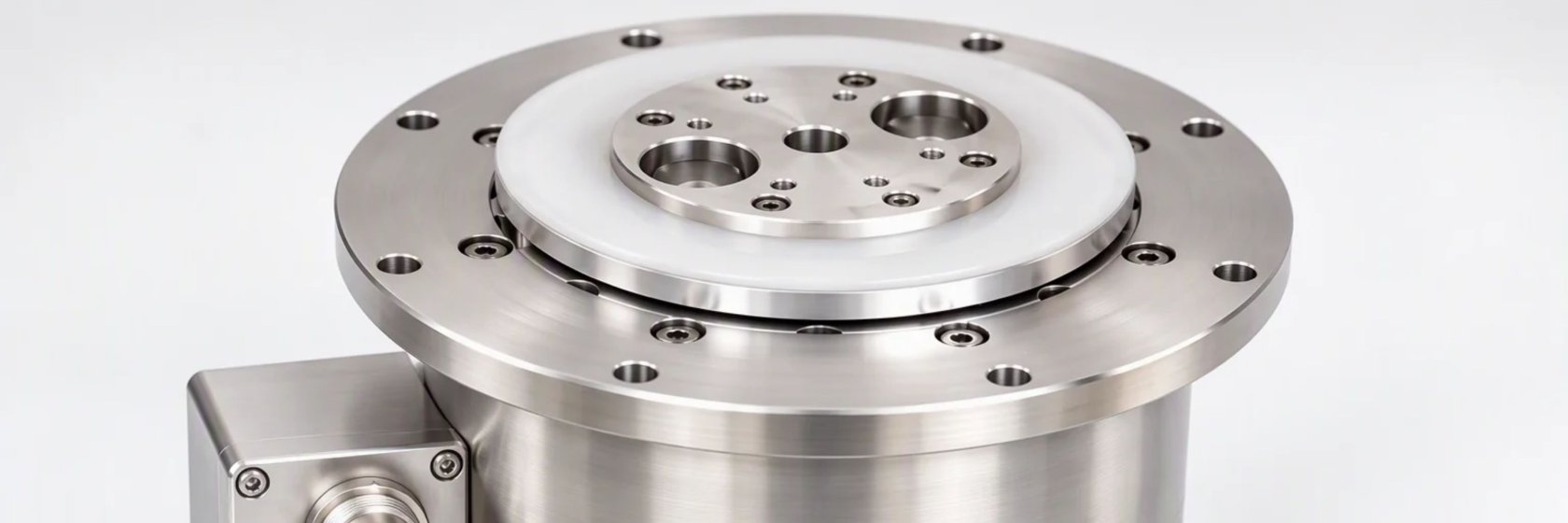
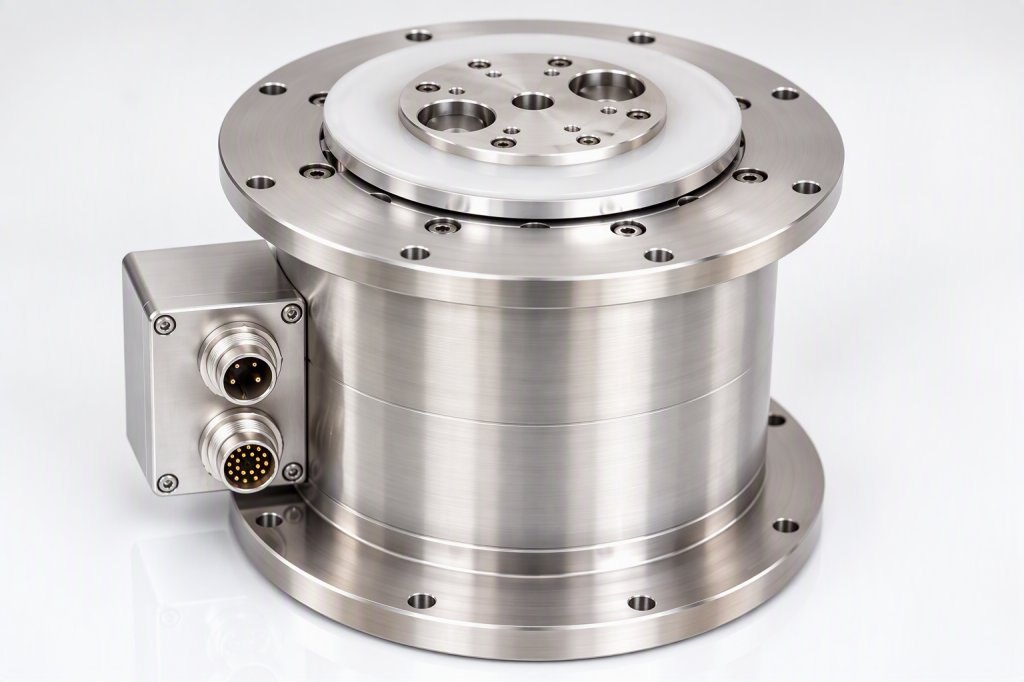
At its core, a rotary joint connects stationary and rotating portions of a machine while allowing critical functions to pass between them, including:
- Electrical power
- High-speed data and control signals
- Optical communication
- Fluids and gases
Because these functions can directly influence motion control, image quality, reliability, and overall system performance, rotary joints are much more than mechanical connections. They help ensure critical systems operate consistently throughout the life of the equipment.
Helping OEMs Solve Complex Challenges
As medical technologies become more advanced, Original Equipment Manufacturers (OEMs) face the challenge of delivering greater performance while keeping systems reliable and easy to integrate.
Increasingly, the focus is shifting from individual components to solutions that work together seamlessly across the entire system. We help OEMs meet these challenges through complete rotary joint solutions, as well as complementary technologies including motors, encoders, sensors, and drives.
By bringing these technologies together, we help OEMs accelerate development, simplify integration, and achieve their design goals, which enables clinicians to work with greater confidence and ultimately supports better patient care.
Supporting Critical Medical Imaging Systems
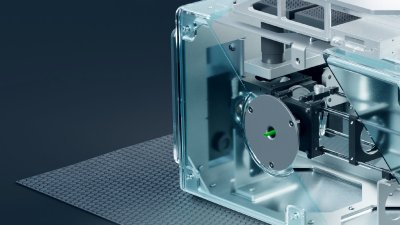
Rotary joints also play an important role in medical imaging systems, including CT scanners, mobile C-arms, and other imaging platforms.
While most people never see this technology, it helps support the consistent operation of the systems clinicians rely on every day. Reliable performance helps keep imaging workflows moving, supports equipment availability, and contributes to the information clinicians use to make decisions.
For patients, that can mean a smoother experience with fewer interruptions and for clinicians, it means confidence that the technology will perform when it is needed most.
From Engineering Innovation to Clinical Impact
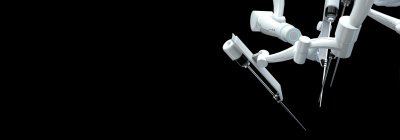
One of the clearest examples of rotary joint impact can be found in surgical robotics.
Robotic systems require precise motion, predictable performance, and long-term reliability. Rotary joints support key requirements such as low backlash, high stiffness, integrated sensing and controls, efficient heat dissipation, and cable management.
For engineers, these are technical challenges, for clinicians, they contribute to confidence that equipment will perform as expected, and for patients, they help support technologies designed to deliver safe, precise, and dependable care.
That’s where innovation becomes impact, not in the component itself, but in the role it plays in helping a medical system perform when it matters most.
Looking Forward
As healthcare technology continues to advance, the expectations placed on medical devices continue to grow. Clinicians need systems they can rely on and patients deserve technology that performs when it matters most.
Most patients will never know a rotary joint exists. What they experience instead is equipment that works as expected, helping clinicians focus on delivering care with confidence.
That is why this work matters. When innovations behind the scenes help make medical technology more reliable, their impact reaches far beyond the device itself.