






Technical Paper Overview
Calibration Accuracy for Laser & Scan Head Sub-Systems Calibration method, not scan head spec, decides Mark-on-the-Fly accuracy.
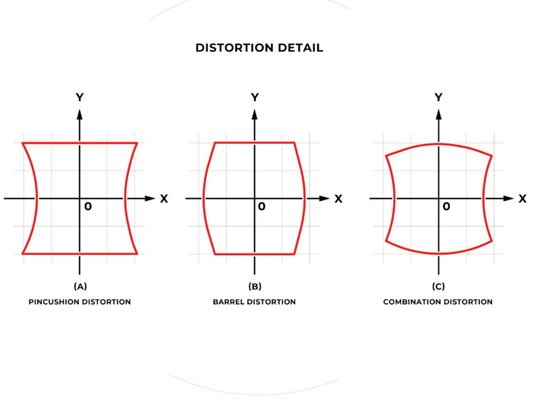
Calibration accuracy is the spec that quietly decides whether dynamic-positioning laser applications work. For static jobs — repetitive marking at fixed positions — factory pre-settings work. But for Mark-on-the-Fly, camera-based positioning, semiconductor, and e-mobility, the X/Y mirror pincushion plus F-Theta lens barrel distortion compound into positioning errors that no post-process adjustment can correct.
This technical paper from three Novanta authors compares three calibration methods (hand, flatbed scanner, metrology) across two Cambridge Technology scan heads (VERSIA hybrid + Lightning II full digital) on paper and glass substrates — with empirical results: hand calibration delivers ~1% scan-field error, flatbed ~0.1%, and metrology limited only by the MicroVu’s intrinsic precision.
Key takeaways include:
- Why calibration accuracy gets ignored on spec sheets but decides Mark-on-the-Fly and camera-based positioning success
- How X/Y mirror pincushion and F-Theta lens barrel distortion compound into the calibration challenge
- When to invest in metrology calibration (e-mobility, semiconductor) versus hand calibration (factory marking presets)
- What each method delivers: hand (~1% error, minutes), flatbed (~0.1%, ~1 hour), metrology (lowest error, highest cost)
- A practical scan-head + substrate matrix: Lightning II + glass = lowest error in metrology calibration
Download the full technical paper for the three-method calibration comparison data (VERSIA vs Lightning II × paper vs glass), the equipment list (IPG fiber laser, Jenoptik F-Theta, MicroVu metrology), and the time/cost/accuracy tradeoff curves you can use to specify the right calibration approach for your application before commissioning the line.