









Fundamentally, all electric motors convert electrical energy into rotational kinetic energy by exploiting the laws of electromagnetism. But these physical rules have given rise to a variety of motor architectures, which offer very different performance characteristics.
As the name suggests, brushed motors use brushes that make contact with different parts of the motor to switch the current from AC to DC, allowing the motor to keep spinning. This process is known as “commutation“, and will be important to know later. On the other hand, brushless motors use electronics instead to commutate and control the spinning of the motor.
In this article, we’ll explore the characteristics of both brushed and brushless motors, explaining why brushless motors have the advantage in modern engineering. Let’s get started!
Brushed DC Motors
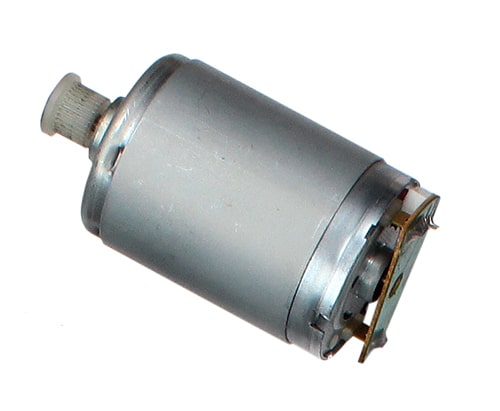
The relatively simple brushed motor was the first type of electric motor to attain widespread use. Brushed motors are made up of four basic components:
- Permanent magnets
- An armature
- Commutator rings
- And finally, brushes
Here’s how they work together to form a brushed motor.
What is a Brushed Motor and How Do They Work?
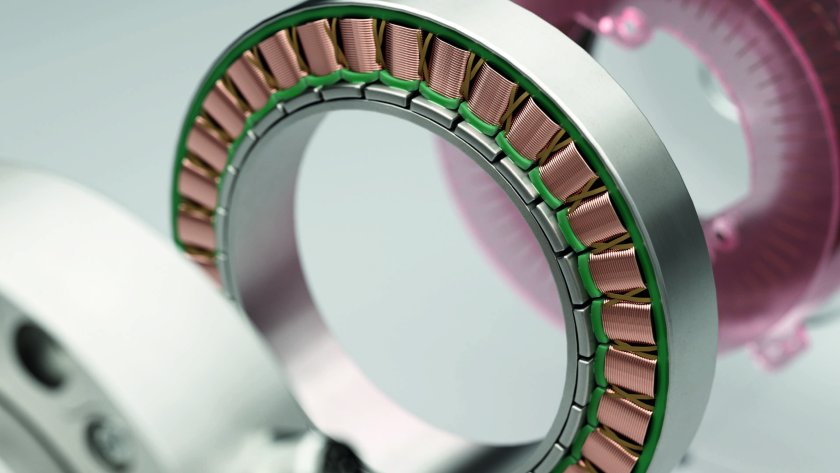
A brushed motor is a DC motor that consists of two parts: a stator and a rotor. The stator is made up of a stationary ring of permanent magnets. The rotor, which sits inside of the stator, consists of a ring of electromagnetic windings whose ends are connected to a commutator. The commutator is in constant contact with brushes that are fixed on opposing sides. Supplying direct current to the electromagnetic windings in the rotor induces a magnetic field, and it will naturally rotate until it aligns with the magnetic field of the stator.
But to keep the rotor spinning, the motor has to constantly switch the direction of the current through the windings. This process, called commutation, keeps the rotor rotating. In a brushed motor, the brushes deliver that current to the commutator; by turning the current on and off in the right pattern, you get a magnetic field that’s always shifting, making the rotor keep spinning.
Brushless DC Motors
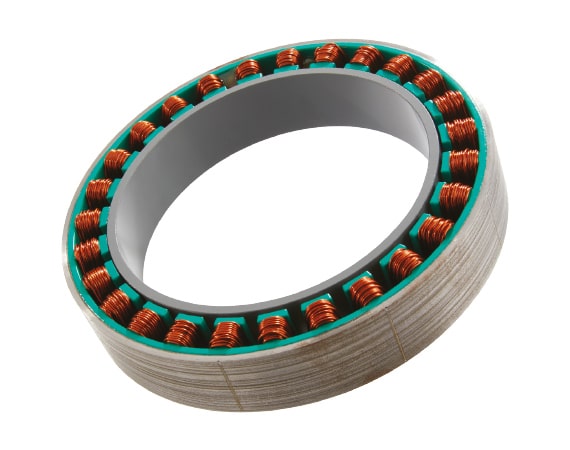
Brushless motors do away with brushes; instead using electronics to commutate the motor. Compared to brushed motors, brushless motors are a more recent motor design, made possible by the development of solid-state electronics in the 1960s.
What is a Brushless Motor and How Do They Work?
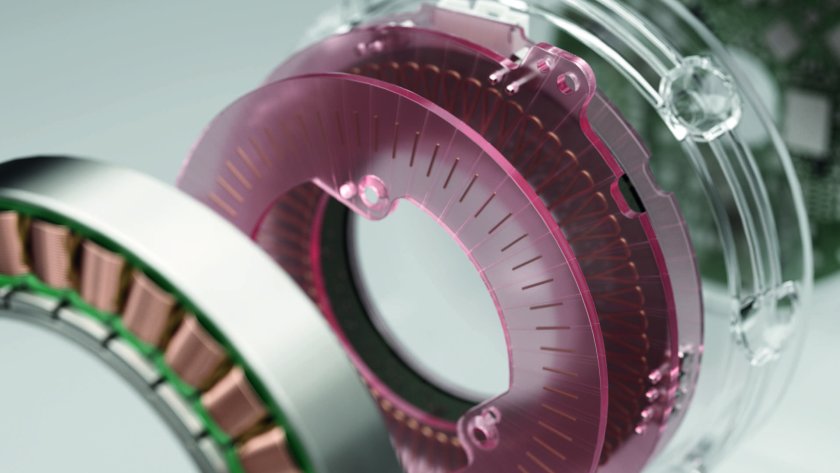
In brushless motors, the commutator and brushes are swapped for an electronic circuit (example: Optical encoder or Hall-Effect sensors) which senses the position of the rotor relative to the stator and supplies current through the three phase pairs of the stator windings, maintaining a 120° phase offset between each, to ensure smooth rotation and low torque ripple.
Brushless vs Brushed Motors: 5 Reasons Why Brushless Motors are Better
Though the electronics involved in brushless motors are simple by today’s standards, they represent a radical departure from the mechanical commutation systems found in brushed motors. This design change gives brushless motors a surprising number of advantages:
1. Quieter Motor Operation
Friction and electrical arcing between brushes and commutator plates in brushed motors produce substantial motor noise. In brushless motors, the job of commutation is carried out by an electronic circuit, resulting in much quieter operation.
2. Less Heat Production of the Motor
As well as producing sound, friction between the brushes and commutator plates in a brushed motor produces a significant amount of heat. This can be a serious problem in many applications. In brushless motors, the only friction that occurs is in the rotor bearings. This means heat production is much less of an issue in brushless motors.
3. Higher Motor Efficiency
This is a particularly important advantage of brushless motors. The sound and heat produced by a brushed motor essentially represent power losses from the device, taking energy away from the rotor itself – which would be used to drive the load. In brushless motors, the amounts of sound and heat produced are greatly reduced, resulting in significantly higher efficiency.
4. Longer Motor Life
The brushes in brushed motors are gradually worn away with use, since they are in constant contact with the commutator – it is only a matter of time until the brushes need to be replaced. Brushless motors do not face this problem, which drastically reduces maintenance requirements, and enables a range of applications where brush replacement would be impractical, such as in outer space satcom equipment.
5. Better Power-to-Weight Ratio of a Motor
Fewer mechanical components means brushless motors have lower mass than brushed motors. The result: brushless motors offer a better power-to-weight and torque-to-weight ratio than brushed motors.
Other Advantages of a Brushless DC Motor
- Better Speed Control: Electronic commutation over mechanical commutation offers smoother acceleration and deceleration by precisely adjusting the current flowing through motor windings.
- Regenerative Braking: This is where kinetic energy generated by movement is converted into electrical energy. This happens in brushless motors when the rotor is turned by an external force, generating back electromotive force (back EMF). The electronic circuit within the motor can convert this kinetic energy back into electric energy, which is fed back into the supply that powers the motor.
- Less Electromagnetic Interference: Brushless motors typically produce less electromagnetic interference than brushed motors. By removing brushes, you eliminate the electrical noise that is generated by the physical contact between components found in mechanical systems like brushed motors.
Brushless vs Brushed Motors Comparison
| Brushless Motors | Brushed Motors | |
| Acoustic Noise | Quieter due to the absence of friction and arcing. | Noisy from mechanical contact and arcing. |
| Cost | Higher initial cost, lower long-term maintenance. | Lower initial cost, higher long-term maintenance. |
| Durability | More durable; often sealed against dust and moisture. | Less durable in harsh conditions; increased wear. |
| Efficiency | Higher efficiency; less heat and sound loss. | Lower efficiency; more energy lost to heat and friction. |
| Electrical Interference | Produces less electromagnetic interference. | Generates more electronic noise from brush contact. |
| Heat Production | Generates less heat, reducing thermal stress. | Produces more heat from friction; risk of overheating. |
| Lifetime | Longer lifespan; no brushes to wear out. | Shorter lifespan; brushes wear out and need replacement. |
| Power-to-Weight Ratio | Better ratios due to fewer mechanical parts. | Lower ratios; generally heavier due to brushes. |
| Regenerative Braking | Capable of energy recovery during braking. | Not designed for regenerative braking; energy loss occurs. |
| Speed and Acceleration | Precise control; smoother acceleration. | Limited control; less smooth acceleration. |
| Torque Ripple | Lower torque ripple; smoother operation. | Higher torque ripple; potential instability. |
Direct Drive Brushless Motors at Celera Motion
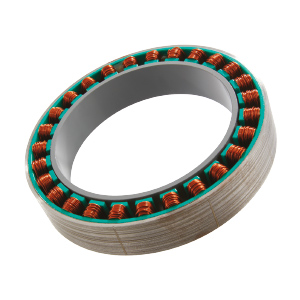
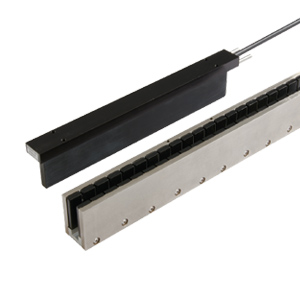
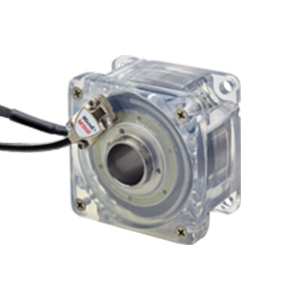
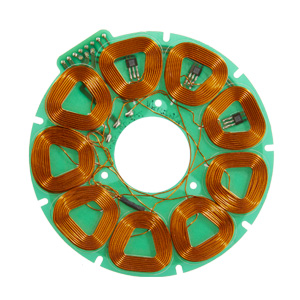
All of these advantages mean that, aside from a few legacy uses, brushless motors reign supreme for present-day applications. Contact a member of the Celera Motion team to learn more about our Applimotion range of direct drive brushless motors.
Learn More | Request a Quote Today