
















What is the definition of field robotics?
Field robotics is a branch of robotics focused on developing and deploying autonomous or semi-autonomous robots to operate in complex, dynamic, and unstructured environments outside traditional factory settings.
These segments include agriculture, mining, construction, disaster response, oil and gas, and space exploration. Field robots are designed to navigate and perform tasks in challenging conditions, such as rough terrain, extreme weather, or limited human oversight, often incorporating advanced sensing, perception, and decision-making technologies.
The importance of field robotics
Field robotics is important as it enables work to be completed across a variety of industries where environments are harsh, potentially dangerous, and too laborious for human workers. As sensors and communication equipment continue to improve, field robots will be able to perform a wider variety of tasks that were previously done by humans.
Field robots can carry out tasks with uniform precision and without risk to humans. This is important as it allows for strenuous and repetitive jobs to be completed to a consistently high standard while maintaining the safety of any human colleagues.
Applications of field robotics
Field robots are extremely versatile and used in many different industries, including agriculture, construction, oil and gas, mining, and commercial services including outdoor logistics, cleaning and sterilization, and public services like search and rescue, and security.
Agriculture
There are many ways that field robots are used in agriculture. They often work in greenhouses and fields, either on their own or alongside human workers.
Applications of field robotics in agriculture include:
- Planting, picking, and harvesting crops
- Precision farming
- Collecting data in the field
- Monitoring greenhouse gas levels, such as carbon dioxide and nitrous oxide
- Measuring air quality
- Measuring soil moisture
- Heavy lifting
- Weeding
Construction
Field robots can be used in construction settings, and carry out strenuous or repetitive tasks including:
- Lifting and positioning heavy materials
- Demolition and excavation procedures
- Bricklaying
- Surveying
Mining
Mining can be a dangerous industry for humans to work in, and field robots can be utilised to assist with the following:
- Drilling
- Explorative tasks, such as measuring and recording mine dimensions
- Identifying minerals present in the mine
- Carrying ore harvested from the mine
- Place blasting charges
- Identifying a decline in air quality and alerting human workers
Search and Rescue
Mining can be a dangerous industry for humans to work in, and field robots can be utilised to assist with the following:
- Drilling
- Explorative tasks, such as measuring and recording mine dimensions
- Identifying minerals present in the mine
- Carrying ore harvested from the mine
- Place blasting charges
- Identifying a decline in air quality and alerting human workers
Security
Robots are being implemented in the security and surveillance field to assist with a variety of tasks including;
Exploration in Deep Sea

Field robots can explore areas that are hard, if not impossible, to reach as a human being. They are therefore ideal for traversing the deep sea and space, aiding our research by:
- Search and Rescue
- Oil and Gas
- Offshore Wind
- Nuclear Power
- Infrastructure
- Science and Research
- Security
Benefits of Field Robotics
Field robots are a versatile addition to the workforce, with the ability to assist with a range of tasks across diverse industries. However, the benefits of field robotics do not end there with robots helping to increase efficiency, improve sustainability, and work with consistent accuracy and precision.
Increased Productivity and Efficiency
A main benefit of field robotics is that they can help increase workload efficiency. Humans are not durable creatures and many factors might influence their work output such as injury, tiredness, personal issues, and the need to take breaks to recuperate. Robots are not affected by external factors in the same way and can work more efficiently and consistently. This is particularly beneficial when considering the difficult and dangerous conditions they can work in.
Accuracy and Precision
Another key benefit of field robots is that they work with a high level of accuracy and precision. Humans are not consistent workers and like their efficiency, the accuracy and precision of their work can be affected by many external factors. This can lead to mistakes in their work and variation in the quality of output. Robots can conduct repetitive tasks faster, and to a consistently high quality, making them more accurate and, precise than their human counterparts.
Sustainability
Increasingly, field robots can be a sustainable option as they utilise renewable energy sources to power themselves. Many robots rely on battery and solar charging for power since they work in environments away from electrical outlets and cannot be plugged in. This ultimately makes them more environmentally friendly.
As field robots are used in a range of challenging environments, it is important that they use robust, specialised technologies. Features of field robots include:
Robotics Hardware
The hardware that a field robot has will depend on the function the field robot is performing. Some of the hardware that robots might have include:
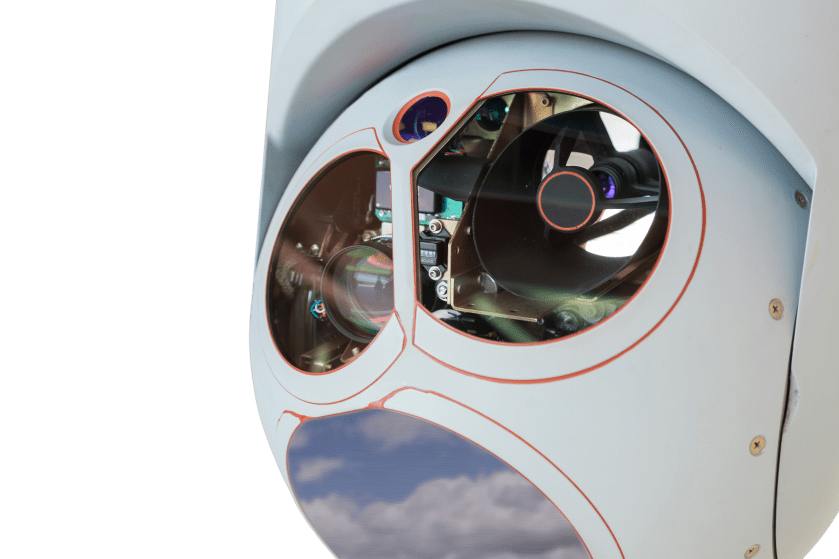
- High-quality video cameras to help the robot recognize its surroundings.
- Manipulator arms and robotic arm end effectors to allow the robot to interact with its environment.
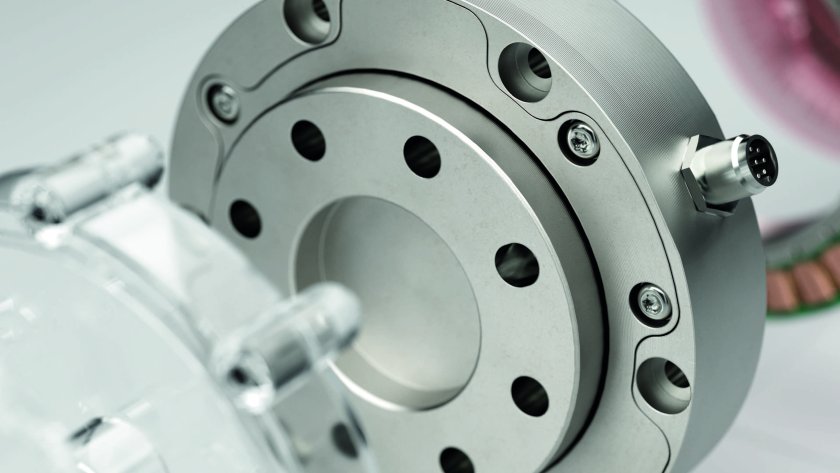
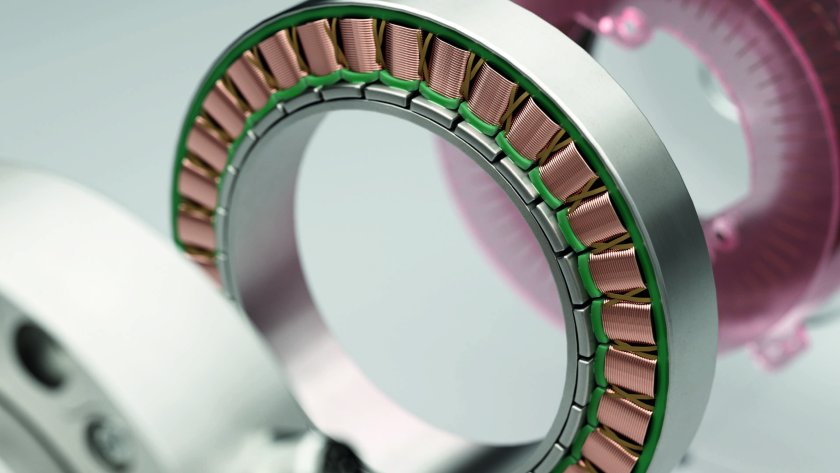
- Actuator Encoders: they are often found in traction systems, hub wheels, steering, propulsion motors, payloads, manipulator arms, auxiliary actuators, gimbals for vision systems, and end of arm tools drives to help the robot convert supplied energy to mechanical force.
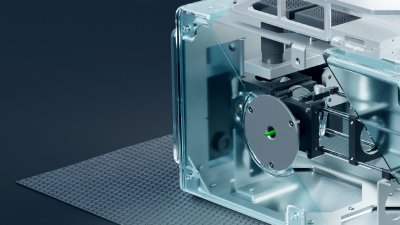
Sensors are a particularly important element of a field robot’s hardware as this helps it collect and analyze environmental data – providing accurate position feedback to aid in moving the robot. These sensors need to be able to overcome the problems that come with working in dusty, moist, and dirty environments and extreme temperatures.
Celera Motion’s robust inductive sensor technology is designed to withstand extreme environments while ensuring robot functionality remains seamless. The inductive sensors are resistant to the elements, and provide precise measurements in the most challenging of settings. Their reduced maintenance and downtime make Celera Motion’s inductive sensors ensure reduced maintenance in systems and as such are perfect for applications in field robotics.
Get in touch to learn how we can help you create a bespoke system for maximum efficiency.
Specialized Motors
It is important that field robots have specialized motors that can withstand challenging environments and allow it to perform the desired function. For example, robots exploring the deep sea will need to have motors that are resistant to corrosion and high pressures.
Battery Technology
Field robots utilize longer-life and solar charging batteries to ensure they remain powered in remote locations with no electrical outlets.
Environmental Conditions
Technology does not always adapt well to tough environmental conditions, presenting a problem for field robotics. For example, field robots without with an inadequate sensor designed-in an adequate sensing system might find it difficult to traverse difficult terrain or identify obscured features of the landscape. It is vital that field robots have inbuilt technology that can withstand extreme environments and ensure the robot can carry out its required function.
Safety and Reliability
As field robots work alongside humans, it is imperative that the robot can sense people and guarantee safe actions. This is difficult to establish as many external factors need to be considered and judged by the robot, such as sensing what is human, recognizing patterns in human behavior, and using social conventions to predict future behaviors. The robot then needs to be able to use this complex data to inform its own behavior and maintain safe practices, such as avoiding colliding with humans.
Cost and Accesibility
Field robots are complex and use specialized technology, which means they can be expensive to buy and maintain. They can also take up a lot of space and can require specialist knowledge to run. Therefore, field robotics will not be a practical solution for all businesses.
Resilience and Durability
While many inductive encoders are suitable for field use, they are also resilient and durable enough to be used in a wide range of factory and indoor industrial environments too. Inductive encoders are designed with manufacturing and production in mind, meaning that they are resistant to damage from grease, dust, dirt, and moisture — all of which can accumulate around moving machinery.
Future Trends in Field Robotics
Robotics is constantly evolving alongside other technological advancements. Some of the future trends you can expect to see in field robotics include:
Autonomous Systems
There has been an increase in the use of autonomous systems, such as driverless cars and self-driving trucks. Ocean observations are also being carried out by autonomous ships.
Integration with AI
AI is continuously evolving, and generative AI is being more widely adopted by robot manufacturers. This makes robotics more accessible to humans without any specialist knowledge as robots and humans can communicate in a language familiar to the both. Ultimately, this will allow humans to instruct their robot and change its behaviour more easily.
Advancements in Automation
Developments in machine learning and reinforcement learning also mean robots are getting better at detecting patterns in data and learning from it. This means a robot will be able to adapt its own behavior automatically to best suit the environment it is in and the task it needs to complete.
Achievements in Field Robotics
Field robotics has achieved several significant milestones that have transformed industries and addressed critical challenges. Key accomplishments include:
Space Exploration
The Mars rovers, such as Perseverance, have autonomously explored Mars, analyzing soil, capturing images, and searching for signs of life.
Disaster Response
Robots like PackBot were instrumental in 9/11 rescue efforts, navigating debris, assessing structural stability, and searching for survivors in unsafe conditions.
Agricultural Innovation
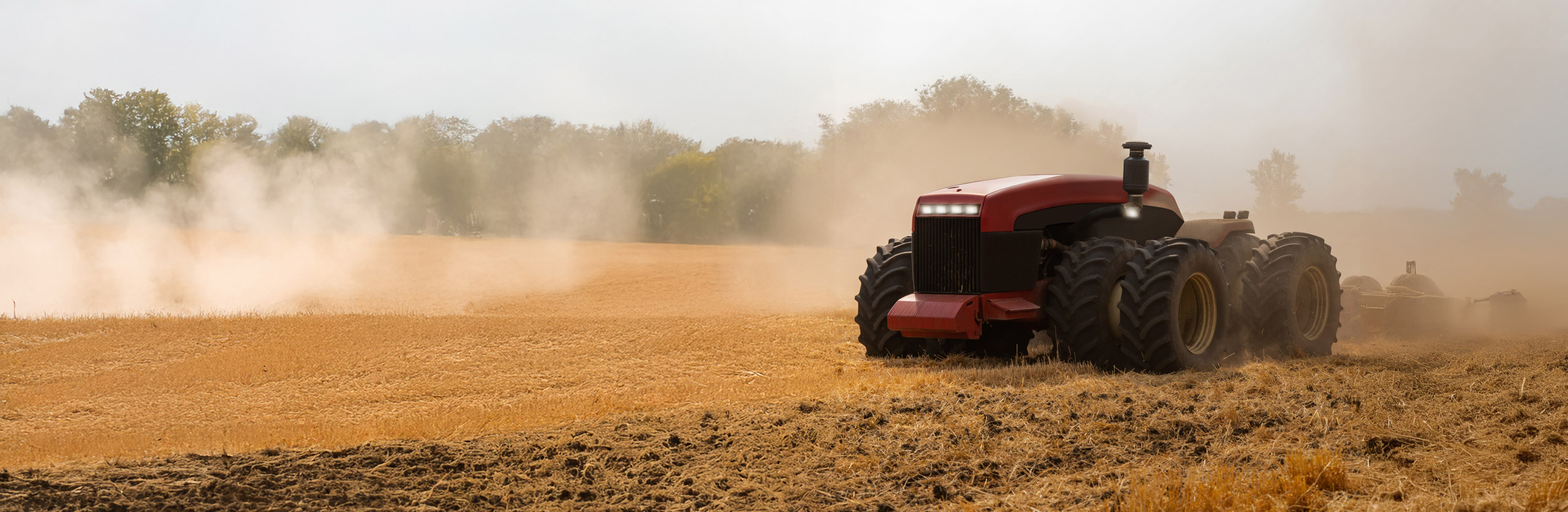
Autonomous tractors and drones now plant, monitor, and harvest crops, improving efficiency and reducing environmental impact.
Autonomous Vehicles
The development of self-driving cars, trucks, and drones has advanced transportation, logistics, and delivery systems, showcasing the potential of autonomous mobility.
Mining and Construction
Field robots have enhanced safety and productivity by automating hazardous tasks in mining and construction.
These accomplishments highlight the transformative impact of field robotics across industries and critical applications.
FAQs
What is an example of a field robot?
An example of a field robot is an autonomous agricultural drone used for crop monitoring and spraying. It navigates farmland using GPS and sensors, analyzing plant health and applying treatments with precision, even in challenging outdoor environments.
Which industries are field robotics used in?
Robotics is used in various fields, including manufacturing, agriculture, logistics, construction, space exploration, security and disaster response. It helps automate tasks, improve precision, and operate in environments that are hazardous or inaccessible to humans.