













Bearingless Encoders
Bearingless encoders are typically used to measure angular displacement in rotary motion applications. Most encoders use optical techniques, where the rotor is an optical disk which co-operates with an optoelectric transceiver located on the stator. Optical encoder technology relies on the accurate and tightly controlled rotation of a rotor relative to a stator. Bearings are typically used to keep rotor and stator concentric. The introduction of mechanical moving parts has a number of disadvantages, especially in harsh operating environments.
The Alternative – Bearingless Encoders
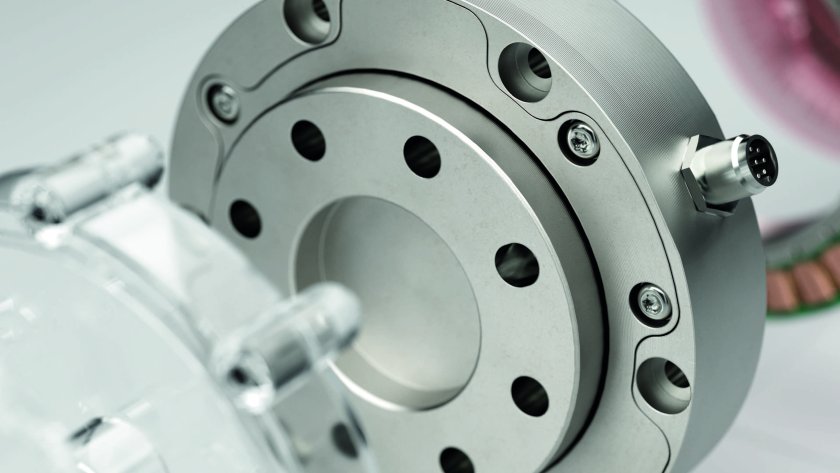
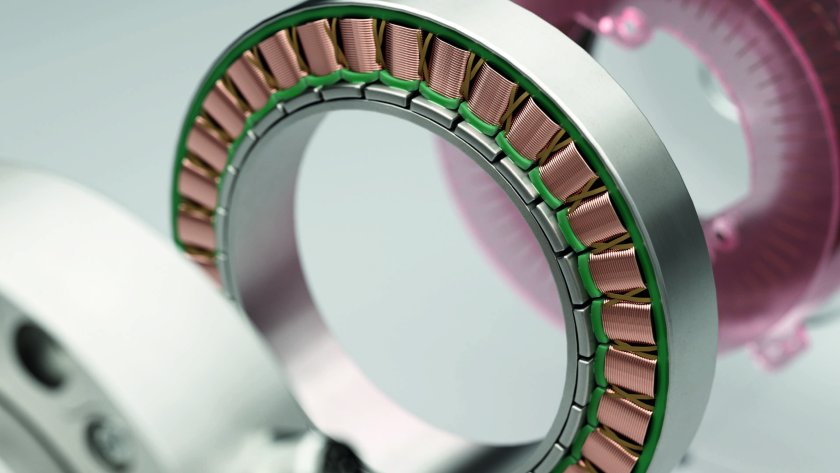
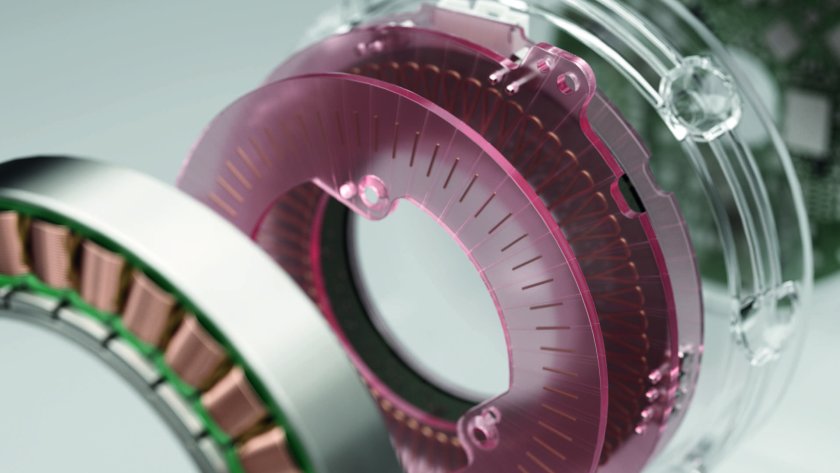
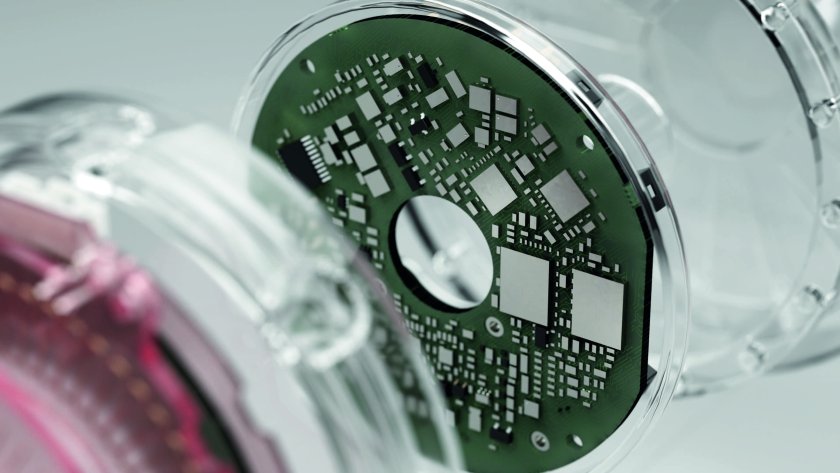
Zettlex IncOder inductive angle encoders can be considered as ‘bearingless encoders’. In these devices, the rotor is completely free to move relative to the stator – if bearings are involved they are typically already present in the host system. The eradication of bearings from the encoder results in:-
- Lower start-up turning torques
- No service or maintenance requirements
- Greater reliability due to reduction in parts count
- Eradication of seals and baffles
- Direct coupling of rotor and stator to host equipment
- No heat generation from friction at high speeds.
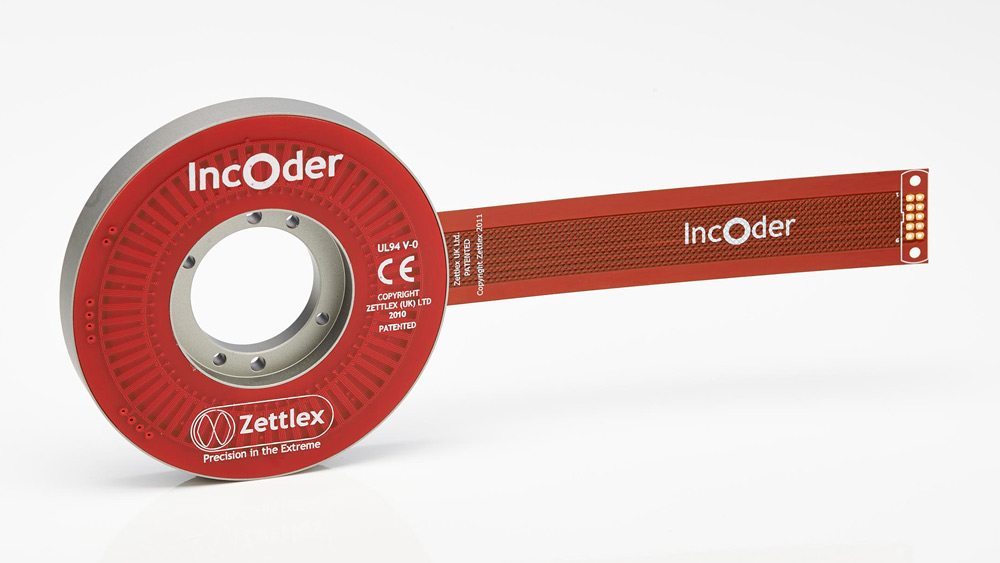
Fig.1. Zettlex IncOder inductive angle encoders can be considered as ‘bearingless encoders’ – the rotor is completely free to move relative to the stator