












Since their introduction to the manufacturing industry in the 1950s, inductive sensors have been a vital part of the wider automation movement, allowing production managers and assistants to detect, position, and count metal objects without the need for direct contact. One type of inductive sensor, which has been particularly transformative due to its ability to function in harsh environments, is the inductive encoder.
In this article, we discuss the modern-day industrial applications of inductive encoders, and how they are being used in the ever-evolving field of robotics.
What are inductive encoders?
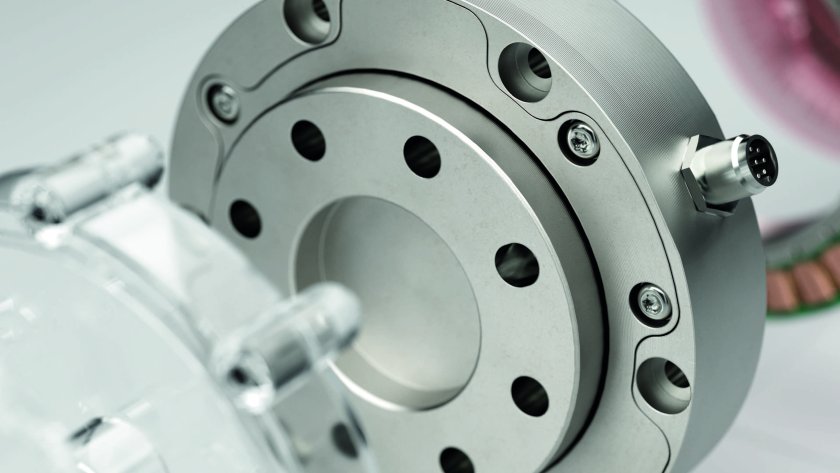
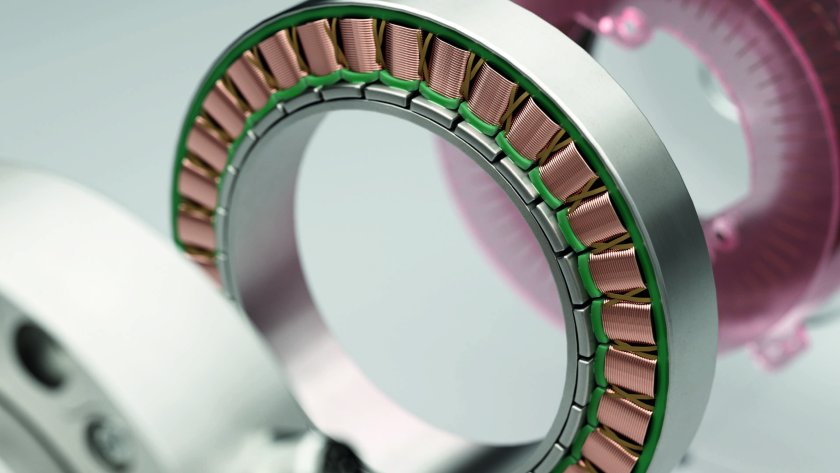
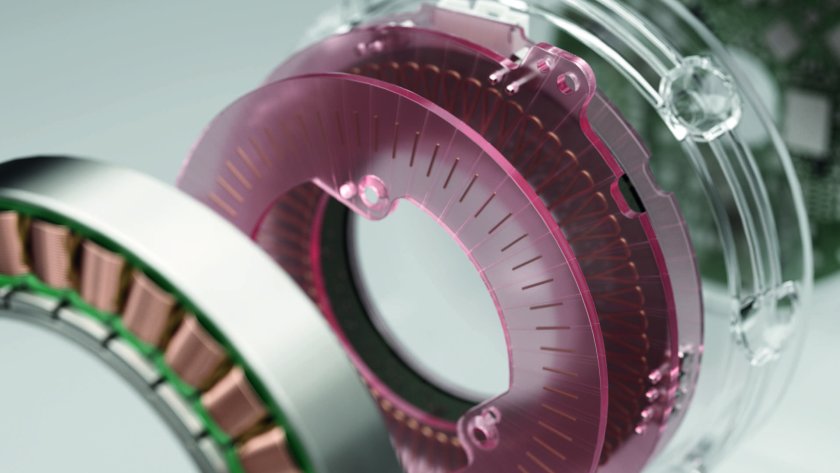
Inductive encoders are a type of position sensor which are designed to withstand harsh environments, making them perfect for outdoor and field use. The core function of an inductive encoder is determining the angular or linear position of an object.
Inductive encoders can be used for several industrial applications, from ensuring the correct functioning of machinery, such as robotic arms, to operating medical scanners and surgical equipment. Their resistance to environmental debris such as dust and condensation mean they are particularly valuable for outdoor, and even underwater use.
For more information about inductive encoders and their benefits, feel free to browse our range of Zettlex Inductive Encoders and IncOder® Inductive Angle Encoders.
How are inductive encoders currently being used within different industries?
Above-ground and Subsea Robotics

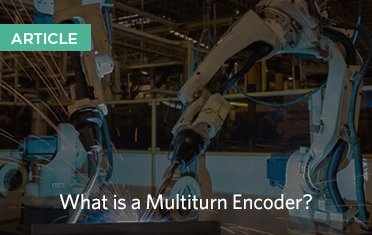
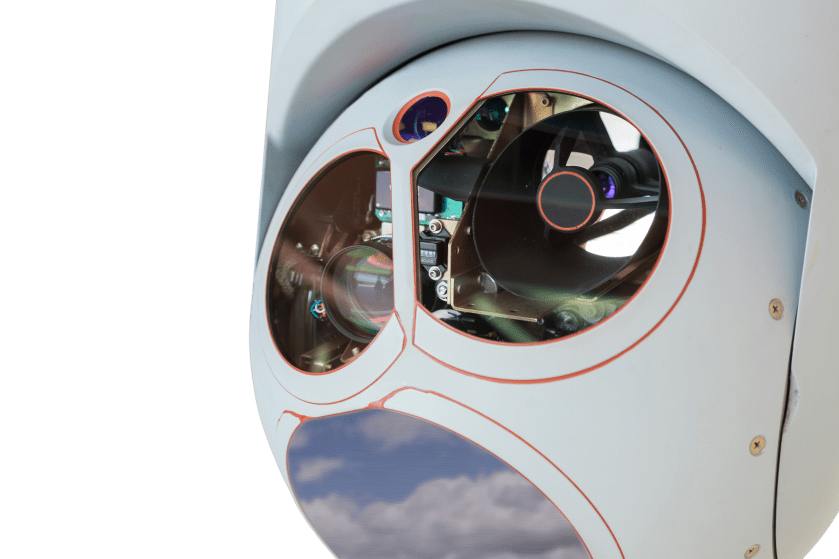
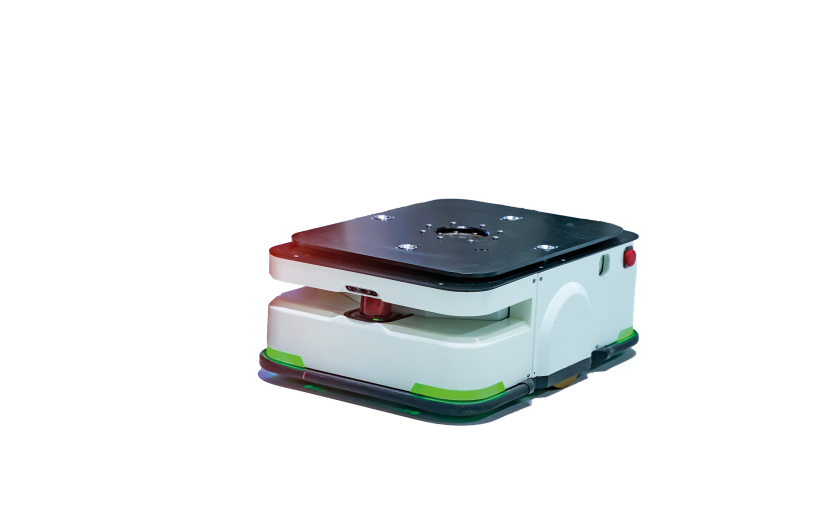
One of the most innovative uses of inductive encoders has been within the robotics industry. The durable and dirt-resistant nature of inductive encoders makes them ideal for field use, from exploration robots that traverse the land, to practical robotics such as bomb disposal robots.
Inductive encoders have also been extremely important in the development of subsea robotics, creating opportunities to build remotely operated underwater vehicles (ROVs) for deep-sea exploration, and even robotics which can be entirely submerged in harmful liquids like oil.
These unmanned devices and vehicles reduce risks of injury and loss of life for humans, as robots are able to traverse hazardous underwater landscapes, rather than divers. Their ability to collect and deliver real-time data is also a great advantage for researchers and commercial operations alike.
Medical Technologies

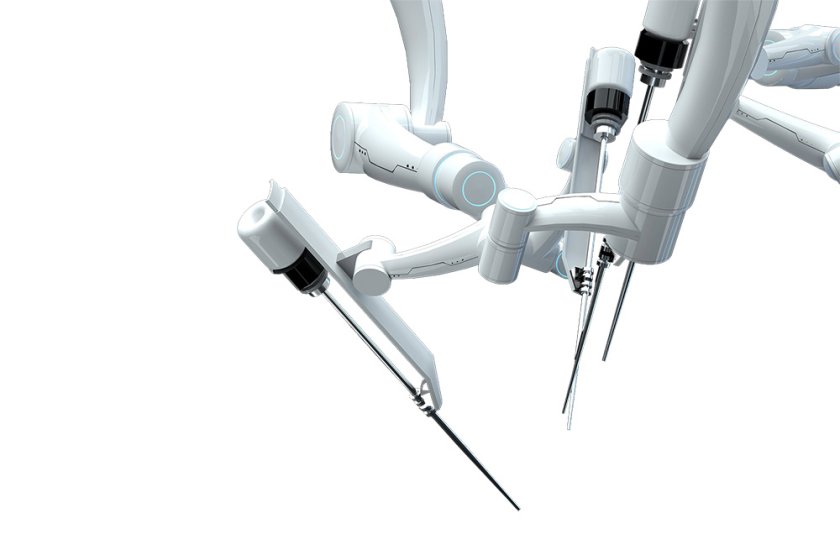
Another application for inductive encoders, which requires high performance and precision, is within the medical industry. Recent advancements in medicine have led to the development of surgical robotics, which are machines that allow surgeons to perform complex and invasive procedures, which would previously have been impossible. With the use of robotic arms and high-definition cameras, surgeons can ‘pilot’ these surgical devices to perform live-saving procedures.
Inductive sensors are used within robotic surgical devices to ensure precision, alignment, and permit surgeons to exercise control over every part of the process, moving the robotic arms as effortlessly as they would their own.
Production & Manufacturing
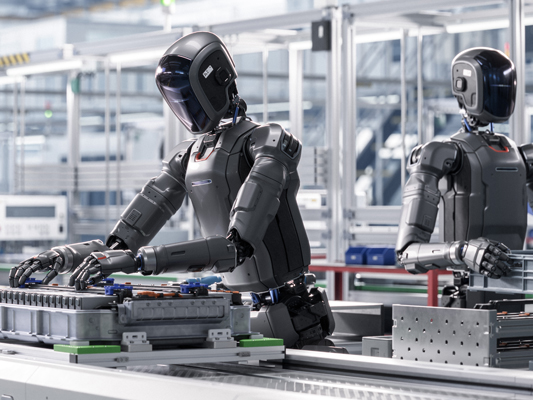
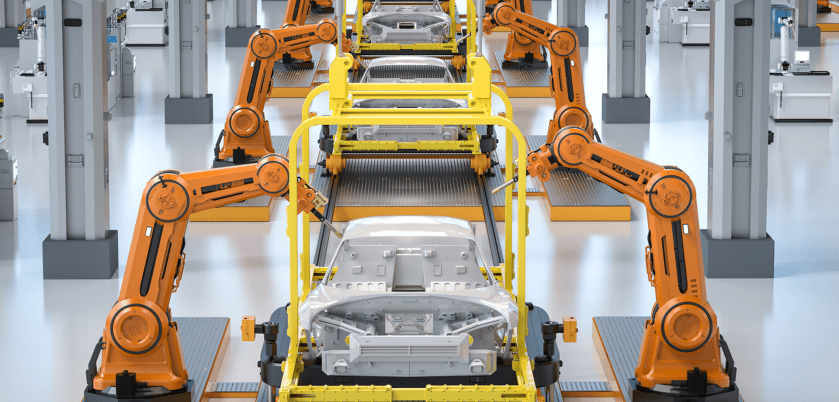
One of the most common applications for inductive encoders that you will typically find, is within the production and manufacturing space. Factories that operate automated production lines will often rely on multiple inductive sensors, including inductive encoders, to detect faults, ensure that different moving parts of their machines and conveyor belts are correctly positioned.
Due to their widespread use in factories, inductive encoders are in demand across a multitude of consumer goods industries — from automotive production, to the food and beverage industry.
What are the benefits of using inductive encoders in an industrial setting?
There are several reasons to include inductive encoders in an industrial environment. Here are just a few advantages that inductive encoders have, above other types of sensors;
Suitable for Field Use
Although commonly found in factories, inductive encoders are one of the few types of sensors which can be used effectively in harsh, outdoor environments. In recent years, inductive encoders have been used in the development of field robotics, which have multiple applications, can withstand inclement weather conditions, and even interact with the public.
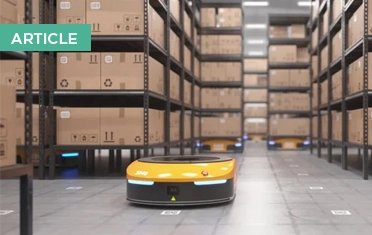
An example of field robotics you may be familiar with are the autonomous delivery robots developed by Starship Technologies, which made quite a stir in the British town of Milton Keynes back in 2018. Celera Motion are proud to be a leading supplier of advanced inductive encoders to the field robotics industry, and to contribute to the exciting advancements that field robotics are making across a number of vital industries.
Whereas other encoder types can be unreliable in harsh conditions, inductive encoders are generally unaffected by foreign matter and IP67 rated versions are also available, which feature additional from both dust and water.
Resilience and Durability
While many inductive encoders are suitable for field use, they are also resilient and durable enough to be used in a wide range of factory and indoor industrial environments too. Inductive encoders are designed with manufacturing and production in mind, meaning that they are resistant to damage from grease, dust, dirt, and moisture — all of which can accumulate around moving machinery.
Wide integration possibilities
Deploying inductive encoders to connect with a wide range of industrial interfaces is critical in managing the challenges posed in the development of robots in unstructured environments. Inductive sensors excel through their utilization of a wide variety of communication protocols, and robust connector and cable options bringing adaptability and robustness to industrial applications.
These sensors cater to a broad range of position feedback requirements, even when low resolution or analog outputs suffice. This optimizes measurement performance without compromise.
Celera Motion inductive sensors excel in their capacity to align with industry-standard interface protocols and are primed for integration across numerous control systems. This maximizes efficiency and expands their applicability in diverse industrial settings.
Where to source reliable and high quality inductive encoders
If you’re searching for high-quality inductive encoders to improve your existing systems, or build a new one, our team of experts at Celera Motion are here to help. Our motion control solutions are manufactured with both safety and performance in mind, meaning that you can rely on our inductive encoders and sensors to deliver accurate detection for years to come. Browse our range of IncOder Inductive Angle Encoders to find the unit type that’s right for you, or reach out to our team to request a quote today.
Inductive Encoders: Frequently Asked Questions
What is the difference between an inductive sensor and an inductive encoder?
In answering the question of what distinguishes an inductive sensor from an inductive encoder, it’s important to embrace their nuances, especially concerning our IncOder product, which can be recognized as both.
Although both inductive sensors and encoders can be used to detect faults, and test and calibrate equipment, they have slightly different functions and may be better suited for the completion of different tasks.
An inductive sensor is a type of non-contact sensor which can detect metal objects, whereas inductive encoders detect rotational or linear displacement of objects.
What’s the lifespan of a standard inductive encoder?
The lifespan of an inductive encoder will vary based on its model, type, its frequency of use, as well as the environment it operates in. Inductive encoders can last many years, depending on these factors, and other variables as well.
Adherence to the manufacturer’s guidelines for its use, will certainly prolong the lifespan and performance of your inductive encoder.
What are the three types of encoders you might encounter in an industrial setting?
As well as inductive encoders, you may also encounter magnetic and optical encoders. Each type of encoder has its own benefits, and set of tasks that it is most well-suited to, but these are the key differences between the three.
- Inductive encoders are highly resistant to dust, dirt, grease and condensation, meaning they are uniquely well-suited to both industrial, and field environments.
- Magnetic encoders are suitable for some field environments, but can be affected by magnetic and electromagnetic fields, so may not be suitable for use with all types of machinery. Magnetic encoders also generally have lower repeatability and lower accuracy.
- Optical encoders are not suitable for use in harsh environments, however they do benefit from ultra-high resolution, which isn’t always the case with inductive and magnetic encoders.