






Advanced Industrial
Laser Surface Engineering
Laser‑based surface engineering systems rely on tightly integrated laser sub-systems to deliver controlled, repeatable surface modification across a range of materials and part geometries. Applications such as Laser Surface Texturing (LST), Laser Cladding, Laser Surface Modification, and Laser Hardening / Surface Transformation Hardening place demanding requirements on laser stability, beam control, and scan accuracy.

Enabling Laser Surface Engineering System Performance
Machine builders in the laser surface engineering market face increasing pressure to deliver higher process precision, improved repeatability, and scalable throughput, often across diverse materials and complex part geometries. Systems must support tightly controlled energy deposition while maintaining uptime and integration flexibility for production environments.

Laser Surface Texturing and Surface Modification
Applications such as Laser Surface Texturing (LST) and Laser Surface Modification depend on precise control of laser energy and beam control to achieve repeatable surface features and controlled material interaction. Ultrafast lasers are commonly used to enable fine feature definition while minimizing thermal effects on the surrounding material.

Precision Beam Steering for Laser Cladding and Hardening
Laser Cladding and Laser Hardening / Surface Transformation Hardening processes require controlled energy delivery over defined surface areas, often on complex or contoured parts. Accurate beam placement and coordinated multi‑axis motion are essential to achieving uniform layer deposition or consistent surface transformation.
Designed for Machine Builder Integration
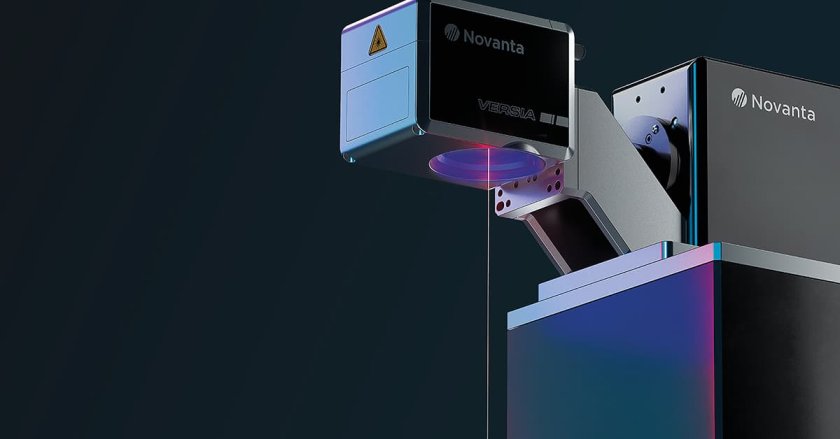
Laser surface engineering machine builders must integrate photonic sub-systems into platforms that balance performance, mechanical constraints, and long‑term serviceability. Optical components must support flexible system layouts while aligning with machine‑level motion control, safety, and automation requirements.
Our advances technologies are designed to support machine builders developing and scaling laser surface engineering platforms, where precise energy delivery, accurate beam positioning, and synchronized multi‑axis motion
are critical to process consistency and manufacturing performance.
Laser Surface Engineering Enablers
The benefits of Laser Surface Engineering include:

Controlled laser energy delivery
Supports consistent surface modification across parts and materials.

Accurate multi‑axis beam positioning
Enables repeatable surface features and uniform treatment paths.

Ultrafast processing capability
Supports fine feature generation with controlled thermal interaction.

System‑level integration
Photonics technologies designed to align with surface engineering machine architectures.
Related Products
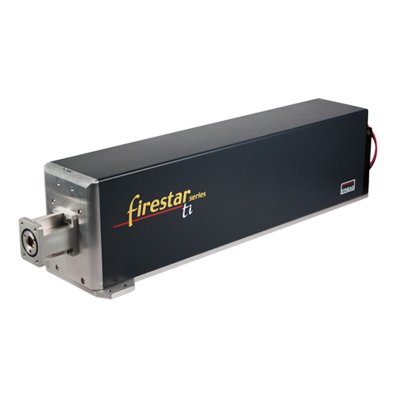
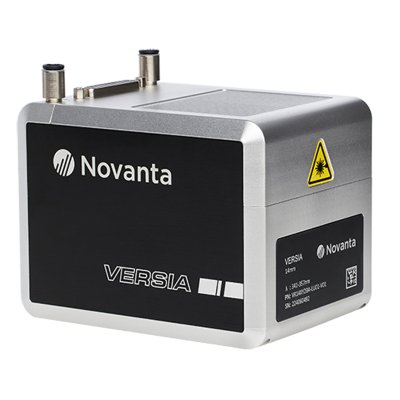
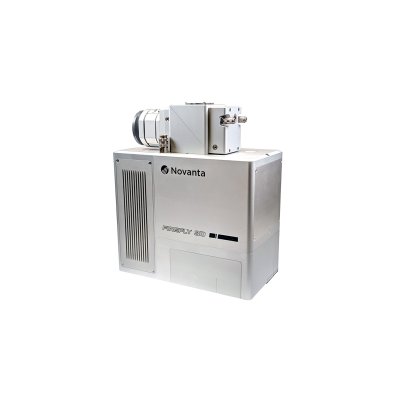

Supporting OEM Development and Platform Evolution
As laser surface engineering applications expand to new materials, geometries, and production requirements, machine builders require photonic technologies that can adapt without compromising process stability. Platforms must evolve to support tighter control, increased automation, and scalable throughput.
We work at the sub-system level to support OEM development efforts, helping align ultrafast lasers and multi‑axis scan heads with the technical requirements of next‑generation laser surface engineering systems.
Related Content




Request an Application Test
Engage with our team to evaluate ultrafast laser and multi‑axis scanning technologies within your laser surface engineering system architecture.