
















Automated dispensing cabinets (ADCs) can be truly transformative in healthcare environments. Using RFID technology, an automated dispensing system can streamline prescribing and dispensing, supporting enhanced patient safety. In this article, we’ll explain exactly how RFID medical cabinets work, discuss their benefits, and explore our custom automated dispensing solutions for hospitals and point of care providers.
What is an Automated Dispensing Cabinet?
An automated dispensing cabinet (ADC) or automated dispensing system is used in hospitals, pharmacies, and other healthcare settings to support the safe automatic dispensing of medications. ADCs help to keep drugs secure, while streamlining workflows, supporting inventory management, and improving patient safety. Automated dispensing systems remove the risk of human error from dispensing and prescribing, enhancing safety and saving costs.
How Do Automated Dispensing Cabinets Work?
There are several different types of automated dispensing cabinets, including medication dispensing and management, supply dispensing and management, and controlled-substance management, like anesthesia carts.
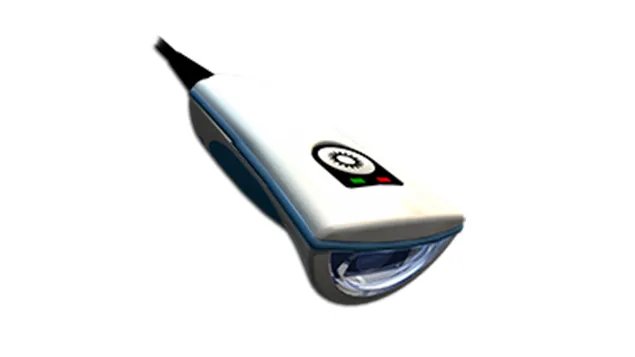
Secure access is an important feature of medical carts and securely signing in to the cart is the first step of being able to place an order for medication or retrieve medication for treatment. Some medical carts may require a pin code or password to be entered manually for access, while others require the clinician’s ID badge to be scanned to read an RFID chip or barcode, or a biometric identification like a fingerprint scan.
With some automated dispensing systems, only one compartment will open when the cabinet is scanned, presenting the healthcare professional with the required medication, reducing the risk of errors. Automated medical cabinets can also play a key role in clinical check workflows, making sure that the medication being dispensed is safe for the individual patient, triggering an alert to the clinician and the pharmacy if this isn’t the case.
The automated dispensing system will keep a record of exactly what’s been dispensed when and to whom, recording this data with integrated electronic medial records (EMRs) systems, pharmacy inventory management systems (PIMS), and hospital billing systems, helping healthcare providers and hospitals to stay compliant. In addition, alerts will be triggered when medications need to be replenished or have reached their expiration date, supporting the hospital’s inventory management protocols.
What is the Role of RFID in Automated Dispensing?
RFID (radio frequency identification) technology can have multiple applications within automated dispensing systems. Our RFID solutions can be embedded into ADCs to support:
- Access Control: Automated dispensing systems typically require an RFID card to be scanned to grant access to authorized personnel, further strengthening a hospital’s access control system. As a result, this reduces the risk of dispensing errors, theft, loss, and misuse.
- Precise Prescribing: RFID helps to ensure that the correct medication and dose is being prescribed to the correct patient, supporting patient safety. When an RFID tag is scanned by a reader, healthcare staff can see whether the right drugs are being administered to the right person.
- Information Storage: RFID tags are small in size, so they won’t interfere with the weight or capacity of the dispensing cabinet, but they can hold a lot of valuable information about the products they are attached to. This can include medication ID numbers, expiration dates, and allergy warnings.
- Inventory Tracking: RFID enables automated inventory management, providing healthcare organizations with up-to-date visibility into medication, consumables, and other important medical supplies. This lowers the risk of medications running out, and means potentially life-saving supplies can be located and accessed at all times.
- Chain of Custody Tracking: For controlled substances, tracking and inventory is imperative to patient safety and accurate chain of custody tracking for clinicians. With RFID technology, chain of custody tracking for controlled substances become simpler and reduces errors, theft and loss.
What Are the Benefits of an Automated Dispensing System?
From enhancing efficiency to tightening medication security and improving patient safety, the key benefits of RFID-enabled automated dispensing systems include:
- Increased Efficiency: Automated dispensing cabinets streamline dispensing workflows, enhancing efficiency as a result. This allows patients to receive vital medication faster, and frees up staff’s time to focus more on delivering a high standard of patient care.
- Greater Security: ADCs improve medication safety and security, by ensuring drugs are securely locked inside cabinets that only authorized personnel can access, even when the cabinet is kept in a patient care area. By controlling access to medications, automated dispensing systems can also help to reduce the risk of misuse and theft.
- Improved Inventory Management: RFID dispensing systems can play an important role in medical inventory management; the RFID tags attached to items inside the cabinet can hold information on stock quantities and expiration dates, so healthcare staff can see when medication needs to be restocked or used as a priority. This benefits efficiency, as well as patient safety.
- Enhanced Patient Safety: Automating dispensing reduces the risk of human error from the process, preventing mislabeling, and ensuring patients receive correct doses.
- Automated Reporting: RFID-enabled dispensing systems can provide detailed, automated reports into what’s inside the medical cabinet, including stock levels and usage. Having access to this data in real time means healthcare professionals are better able to make better-informed decisions into everything from stock replenishment to patient care.
- Supports Compliance: Automated dispensing cabinets can also help facilities to remain compliant with medication safety requirements, by automating previously manual processes and reducing the risk of human error.
- Save Money: Dispensing errors can be extremely costly for healthcare institutions, so using an automated system could help to save costs associated with this. What’s more, the level of manual resource required for dispensing tasks will be reduced, further helping to improve cost efficiencies.
How an Automated Dispensing System Supports Patient Safety
Enhanced patient safety is one of the key benefits of automated dispensing systems, and there are different ways ADCs can support this, including:
1. Reduced Risk of Error
Incorporating RFID technology in a medical cart enables traditionally manual tasks to be automated, significantly reducing the risk of human error from dispensing. This means patients are more likely to receive the correct medication and dose, as there’s minimal chance of their prescription being mislabeled or wrongly allocated.
2. Enhanced Standard of Care
Automated dispensing cabinets enable staff to deliver a better standard of patient care. Automating prescribing, dispensing, and dosing medications means healthcare professionals can focus more of their time and skills on understanding, monitoring and treating individual patients’ needs. As a result, patients are likely to have a better overall care experience.
3. Improved Medication Safety
Automated dispensing systems allow hospitals and pharmacies to create a controlled environment for storing medication with secure access, allowing only required staff to get into the cabinet. This keeps both medication and patients safer.
4. Patient Safety Alerts
RFID medical cabinets can have integrated pharmacy software and can be programmed to trigger an alert when a patient with a particular allergy or sensitivity is about to be given a drug they may have a reaction to, further enhancing patient safety.
Automated Dispensing Cabinet Use Cases
RFID automated dispensing cabinets can benefit both in patients and outpatients in a variety of healthcare settings. ADCs can be used for medication management in:
- Hospitals: Automated dispensing cabinets are frequently used in hospitals and other large-scale healthcare facilities, at nursing stations for daily rounds, as well as in operating rooms and intensive care units (ICUs).
- Pharmacies: Community and hospital pharmacies can benefit from RFID-enabled ADCs, using them to fill prescriptions, monitor medication trays, and ensure patients are given the correct dosage. This helps to streamline workflows, enhance efficiency and reduce the risk of errors.
- Residential Care Facilities: Care homes and other residential facilities often use automated dispensing to manage their stock of drugs, and to make sure residents are given their medication quickly and accurately at the same time each day.
- Veterinary Practices: Veterinarians can use automated dispensing systems to enhance the safety of animals in their care, while reducing the risks associated with manual medication handling.
Automated Dispensing Solutions by Novanta
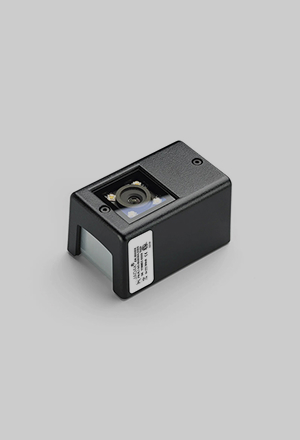
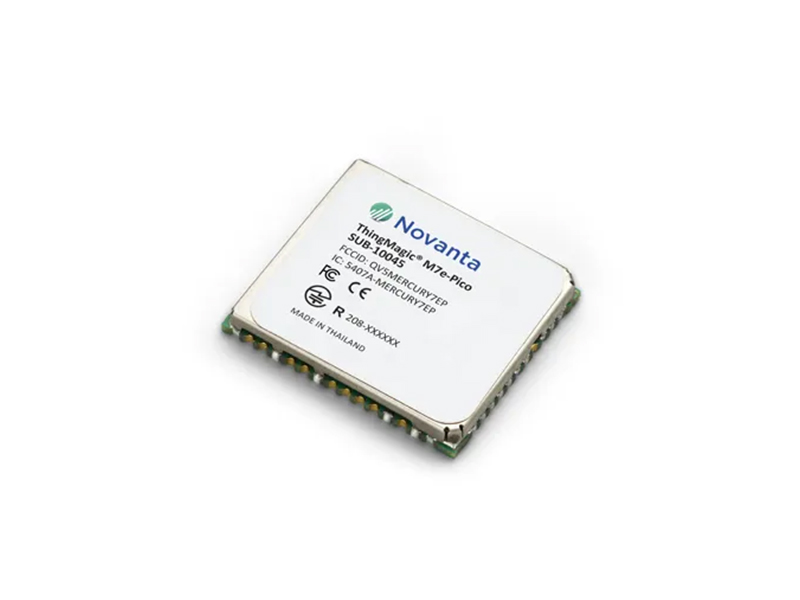
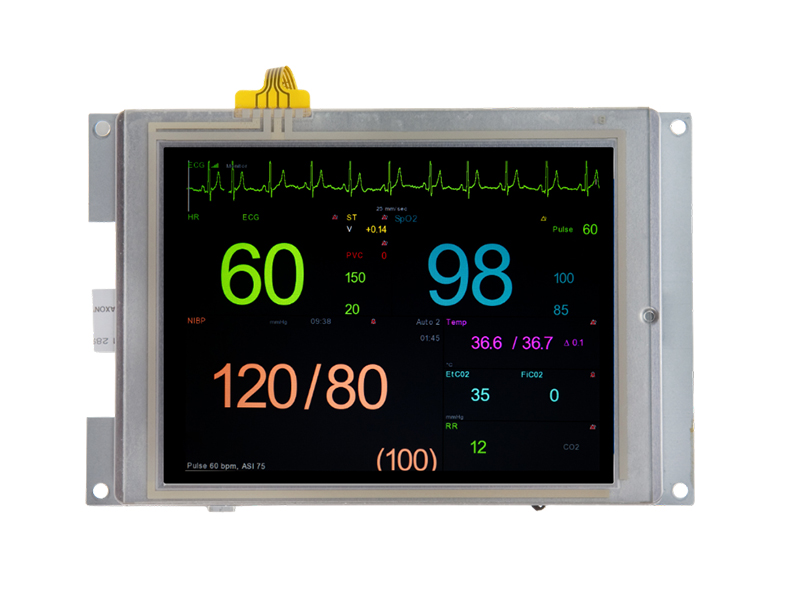
Develop a custom automated dispensing system tailored to your specific needs with Novanta. We can provide the full technology stack required to build an automated dispensing cabinet, including industry-leading ThingMagic® RFID modules and RFID software. Through engineer-to-engineer collaboration, our experts will work with your in-house team to create a cost-effective solution to your timeframe, so you can start experiencing the benefits of automated dispensing faster.
Contact us today to find out more about our custom engineering and medication management solutions.