











Accurate light & color calibration
Light and Color Measurement for Medical Imaging
Accurate light and color calibration is essential to medical imaging quality and patient safety. Novanta Photo Research® SpectraScan® spectroradiometers deliver laboratory‑grade measurement accuracy trusted by medical device manufacturers to validate and calibrate illumination systems .
Medical Devices Require Precise Light and Color Calibration
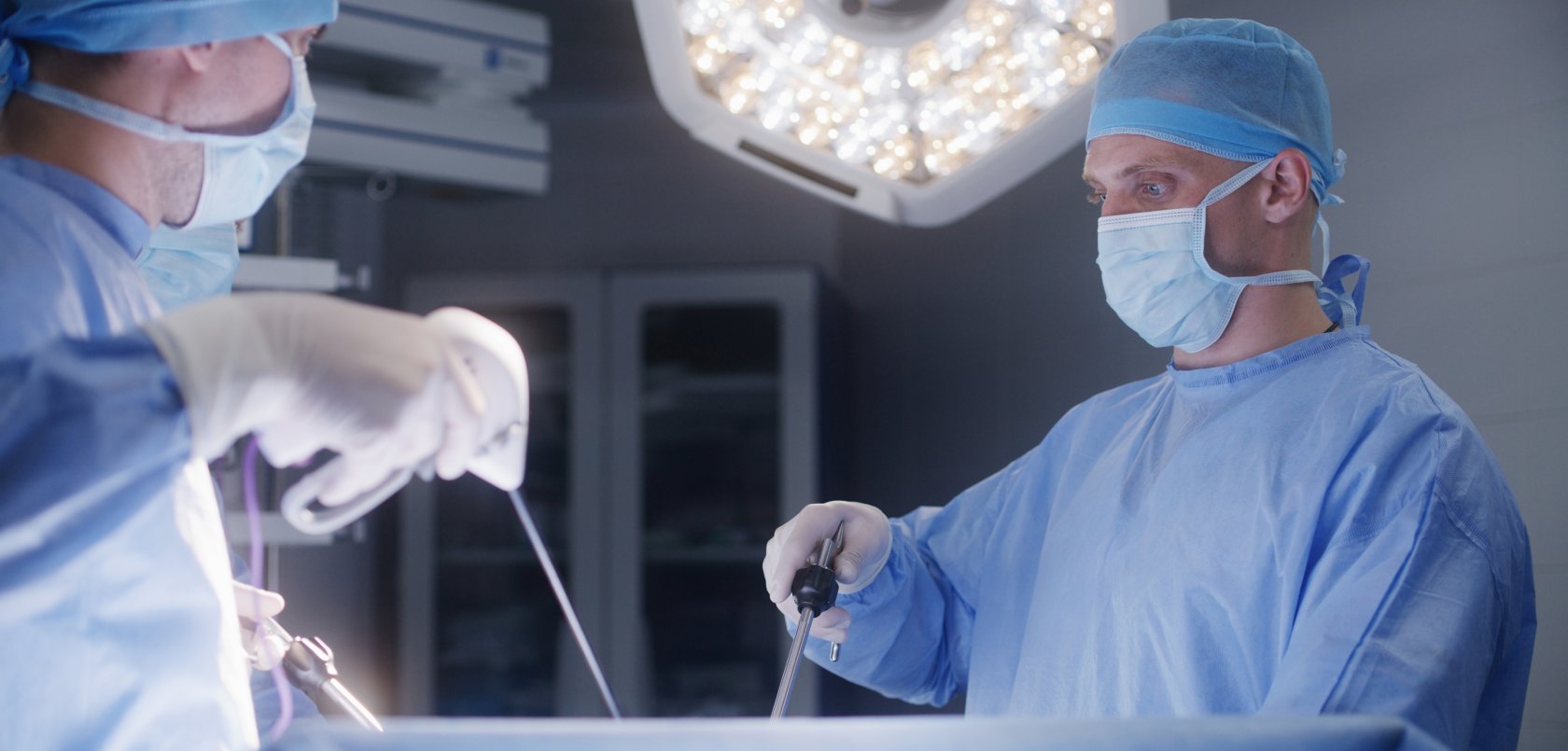
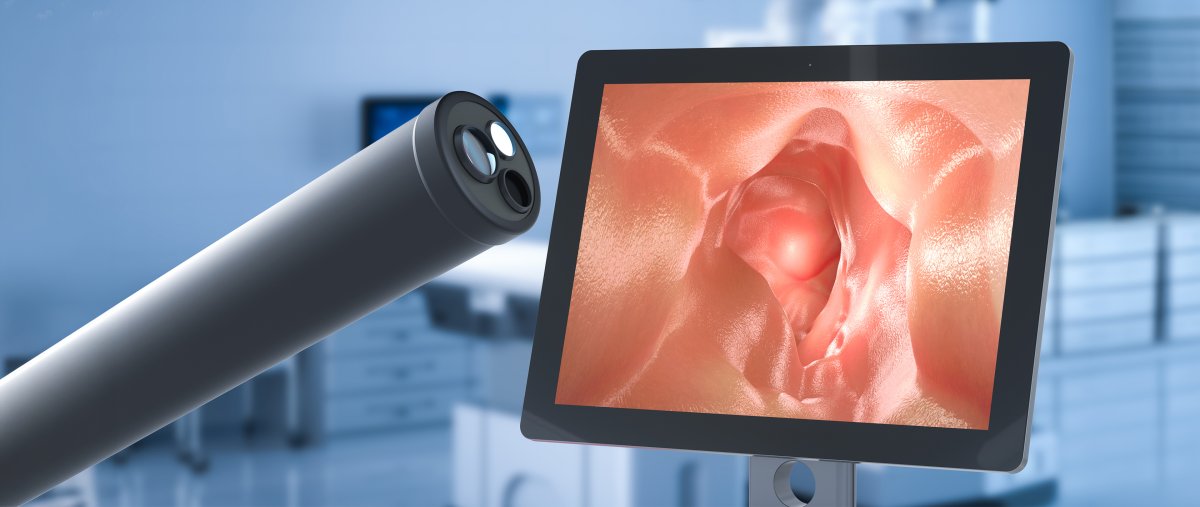
In medical imaging systems, light quality directly impacts image clarity, color fidelity, and clinical interpretation. Devices such as endoscopes, surgical visualization systems, and diagnostic displays rely on tightly controlled illumination to ensure anatomical features are accurately represented. Even minor spectral shifts or brightness inconsistencies can affect contrast, color rendering, and diagnostic confidence.
Our innovative Features
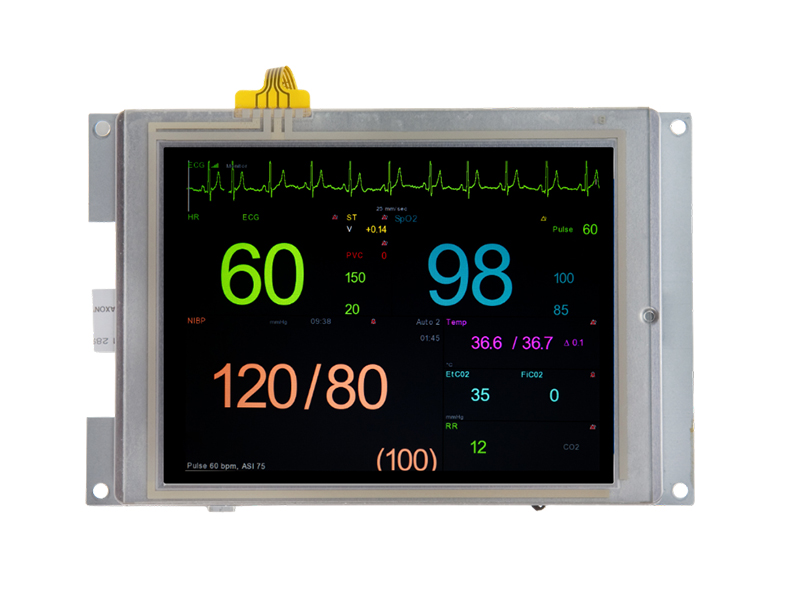
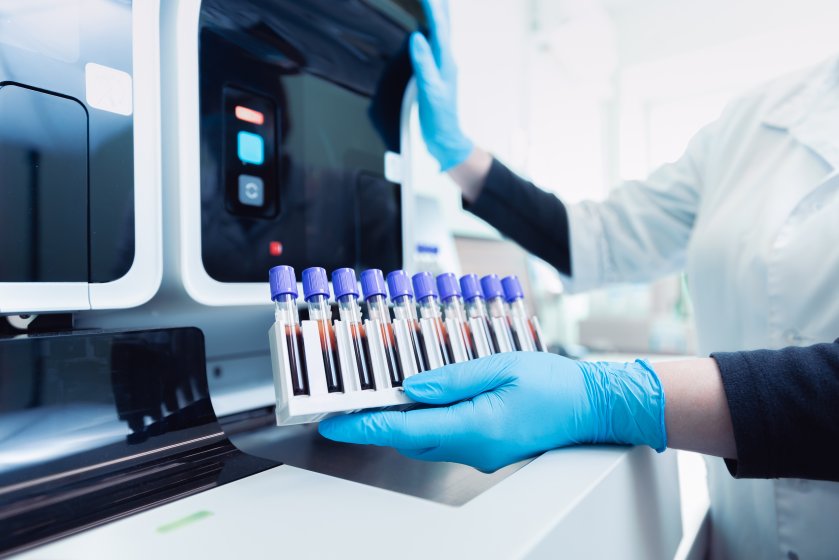
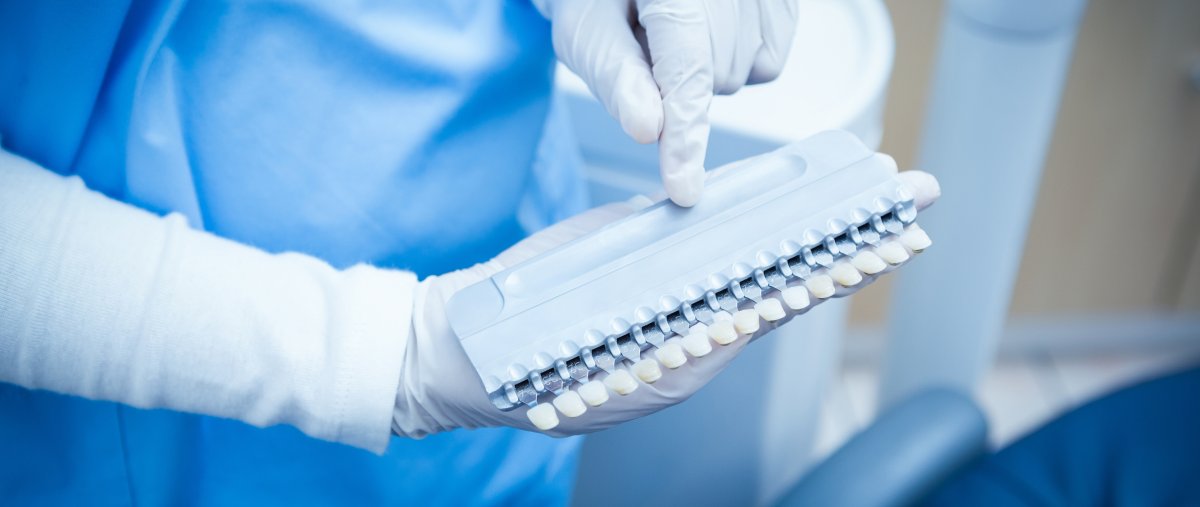
Medical Display
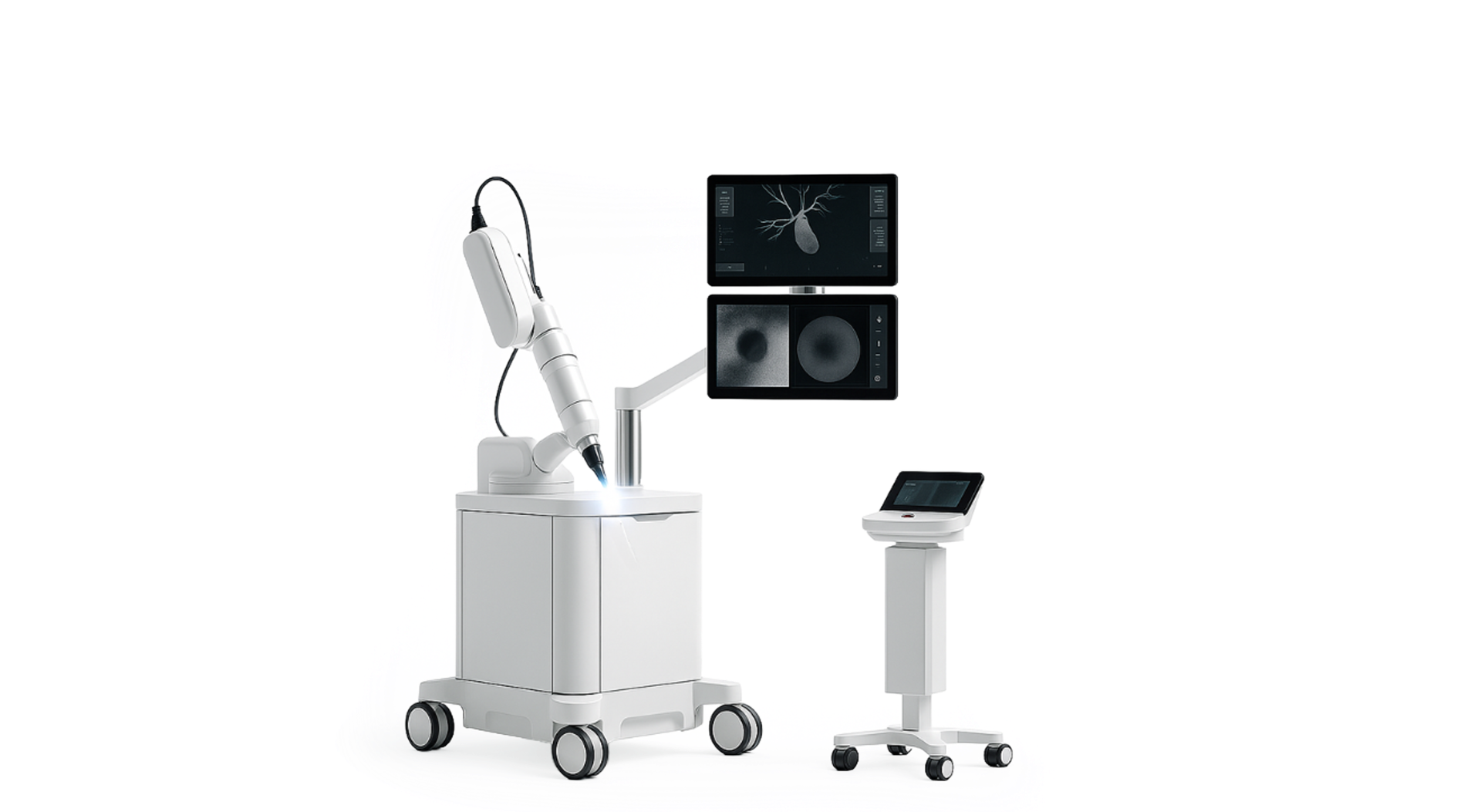
Calibrate LED displays for accurate luminance and color performance
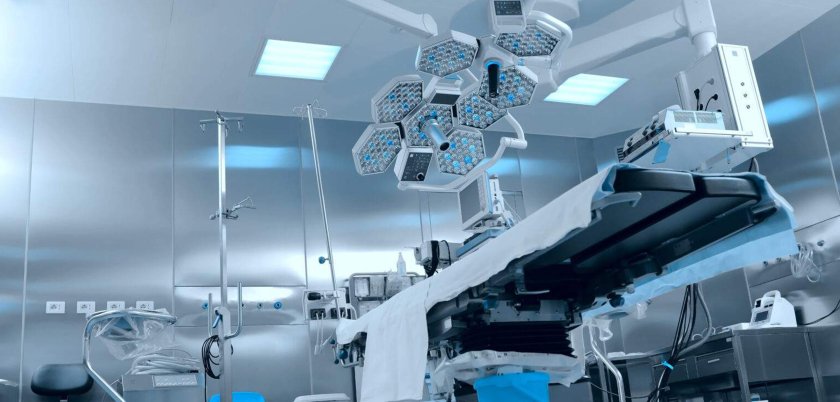
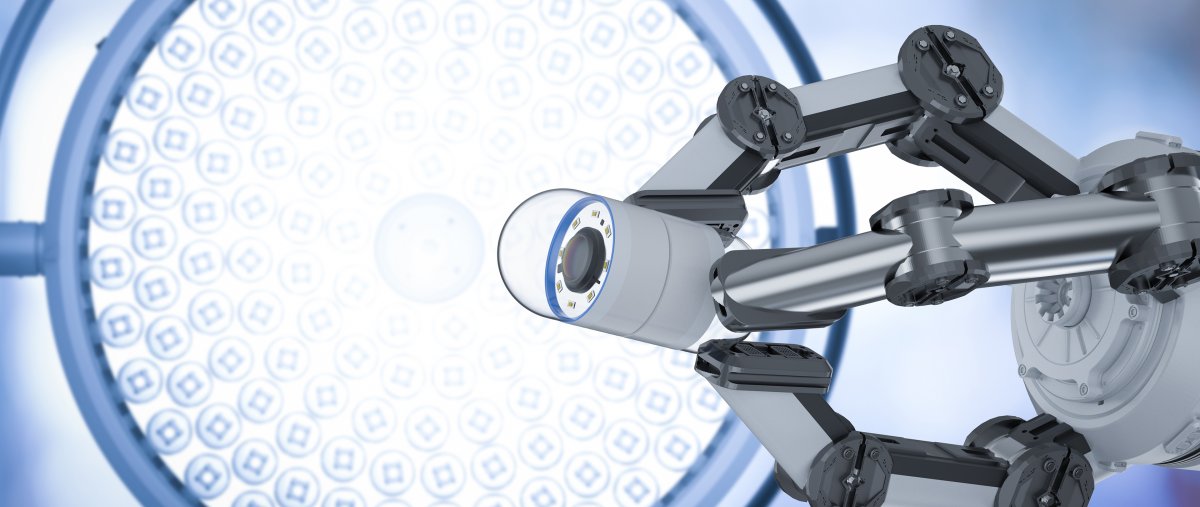
Light Source
Spectral calibration of medical light sources
Light and Color Calibration Technology
Confidence in Clinical Image Accuracy
Spectroradiometric measurement ensures illumination systems produce consistent, repeatable spectral output. This enables medical imaging systems to present anatomy with accurate color representation and contrast, supporting more confident clinical interpretation.
Reliability Across Development and Production
Consistent measurement technology enables engineers to correlate R&D characterization with manufacturing quality control. This continuity ensures devices perform as intended when scaled from prototype to volume production.
Reduced Risk of Imaging Variability
By measuring absolute spectral performance rather than relative light levels, spectroradiometers reveal subtle shifts that can degrade image quality over time. This helps manufacturers identify and correct variability before it affects device performance.
Accurate Measurement in Complex Optical Systems
Medical illumination systems often operate at low intensities and within tightly controlled spectral ranges. Spectroradiometers precisely calibrate these light sources to ensure consistent, accurate illumination that enables correct image rendering on medical displays.
Traceable Verification for Regulated Devices
Spectroradiometers provide traceable, quantitative data that supports verification, validation, and documentation requirements. This allows manufacturers to demonstrate controlled optical performance throughout development, production, and lifecycle testing.
Protection of Long‑Term Imaging Performance
Over time, light sources can drift in brightness and spectral composition. Using a spectroradiometer for light and color measurements allows manufacturers to monitor and maintain illumination performance, supporting long‑term device reliability and consistent visual output.
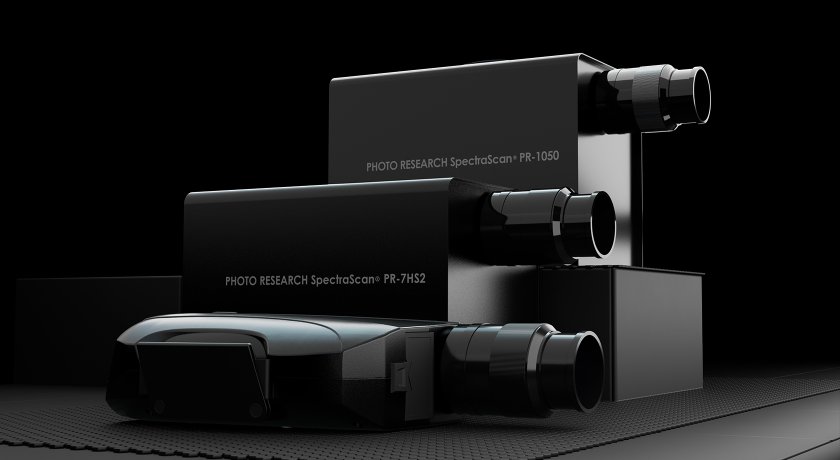
Our Technology For Medical Light and Color Calibration
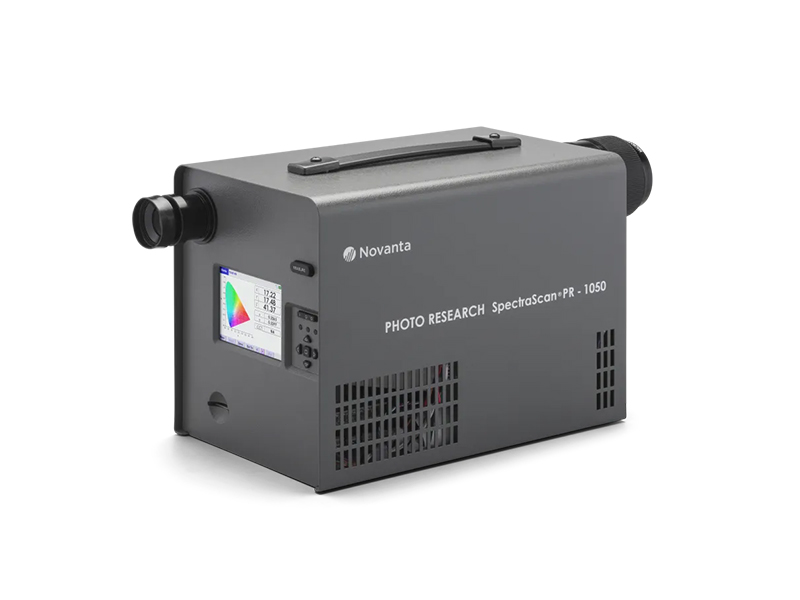
Photo Research®
SpectraScan® Visible Range Benchtop Spectroradiometer
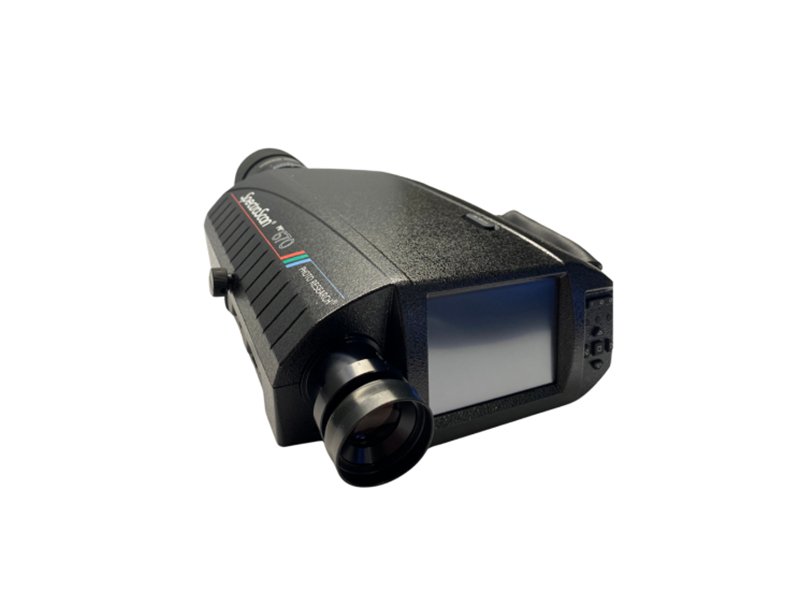
Photo Research®
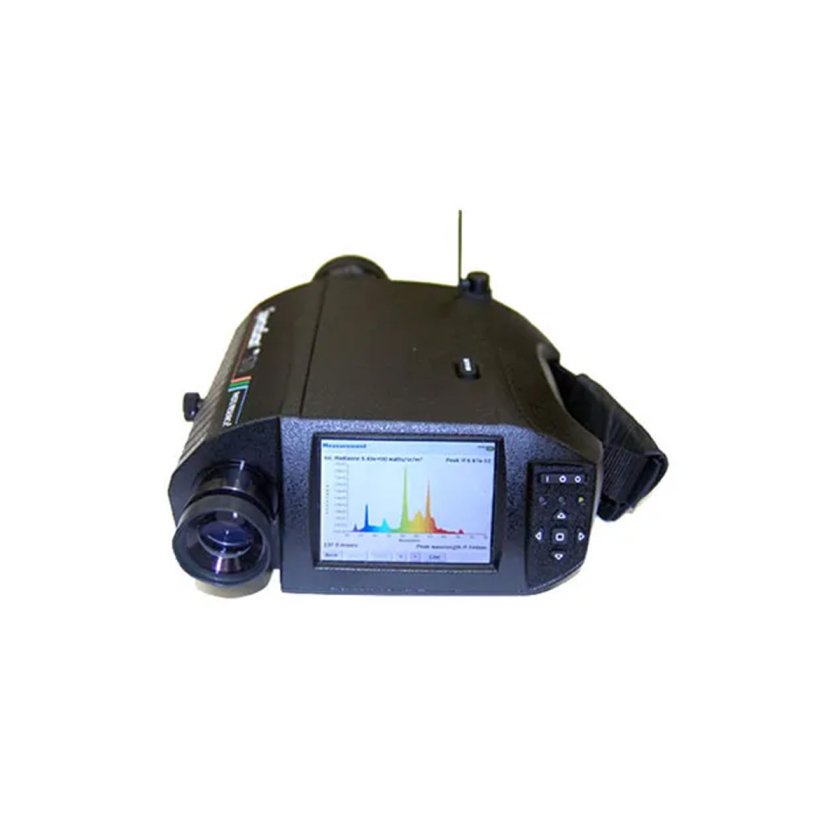
SpectraScan® Visible Range Portable Spectroradiometer
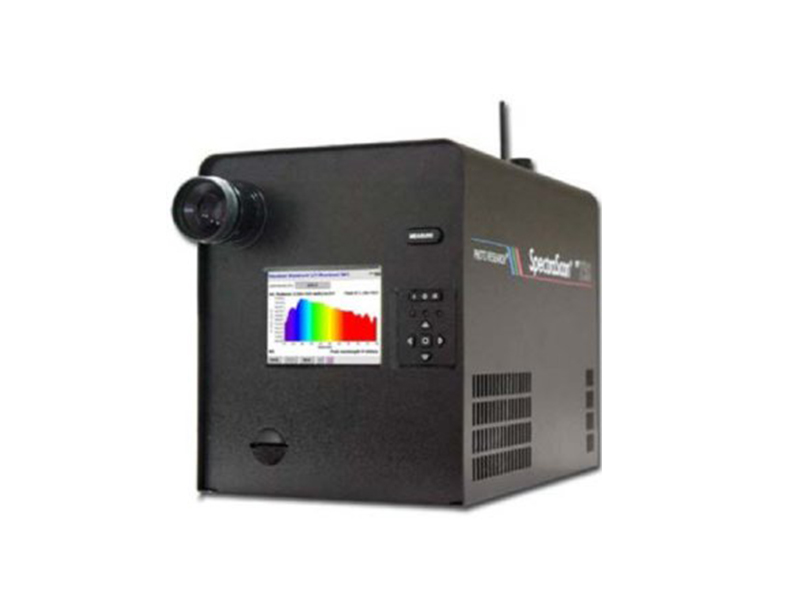
Photo Research®
SpectraScan® Near Infrared Benchtop Spectroradiometer
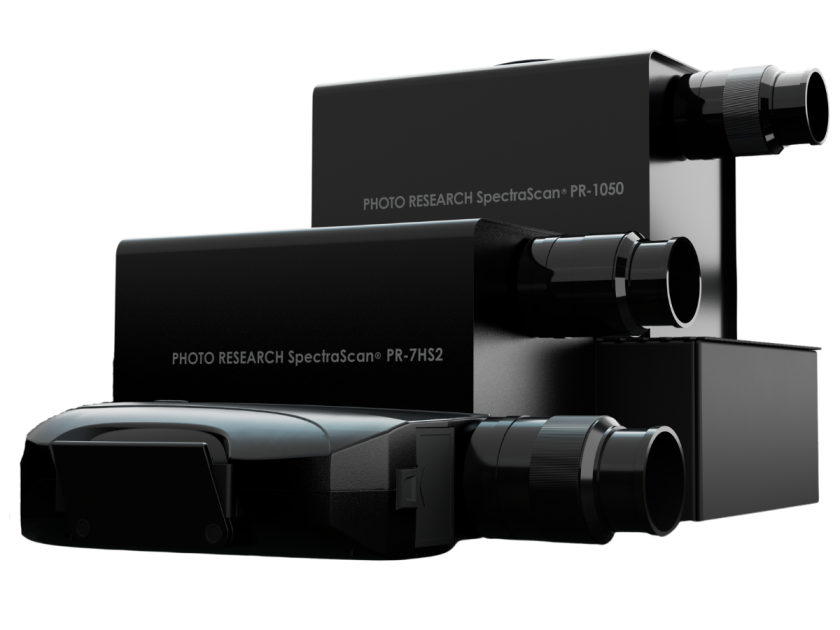
Photo Research®
SpectraScan® View All Spectroradiometers

How to Choose Your Spectroradiometer
Wavelength Range Selection
Match visible or NIR spectral coverage to the illumination source being calibrated.
Spectral Bandwidth & Resolution
Balance fine wavelength detail with measurement speed for accurate light and color calibration.
Light Level Sensitivity & Dynamic Range
Ensure reliable measurements from low‑intensity illumination to high‑brightness light sources.
Measurement Environment & Form Factor
Choose benchtop or portable spectroradiometers based on lab, production, or field calibration needs.
Accuracy, Repeatability & Traceability
Support consistent, repeatable light and color measurements required for medical device validation.
Latest Insights on Light & Color Measurements

White PAPeR
Accurate Calibration for Measurement of Displays


White paper
Precision Wavelength Calibration for Display

white paper
Tools for AR/VR Near-Eye Display Metrology
FAQs
Medical device manufacturers use spectroradiometers instead of simpler light meters because they provide full spectral data, enabling highly accurate color and luminance measurements critical for display calibration and visual diagnostics. This level of precision ensures consistent, true-to-life color performance across medical displays, which basic light meters cannot achieve.
The best spectroradiometer depends on your specific medical application requirements, including measurement range, accuracy, and form factor. Contact our technical team at support@novanta.com or complete the Contact Us form at the bottom of this page to discuss your needs—we’ll help you select the right solution for your application.
Overall, the accuracy of a spectroradiometer is determined by the precision of calibration, the quality of the optics, and the detector’s response characteristics. Many advanced models, such as the Photo Research® 700-Series, spectral measurement resolutions as fine as a few nanometers and can provide measurements with an accuracy of better than ±1% in intensity and ±2% in color coordinates. This level of precision is vital for ensuring consistency in color reproduction and for developing lighting solutions that deliver the desired aesthetic vision in fields such as cinematography.
Spectrometers and spectroradiometers are analytical instruments used to measure properties of light and color. A spectrometer only measures the spectrum of light emitted, absorbed, or scattered by materials by analyzing the specific wavelength of light. In contrast, a spectroradiometer measures the intensity of light and color across a range of wavelengths. This is what makes spectroradiometers particularly desirable in applications that required a high-level of detail about light and color measurement.
Contact Us
This consultative sales style, combined with our family of standard and customizable products, ensures that you always get the best product for your application.