





















RFID technology can transform the way businesses manage their inventories, enhancing efficiency, streamlining workflows, and providing greater visibility at every stage of a supply chain. Explore the benefits of RFID readers for retail inventory management and medical inventory management, discover how to use RFID tags for inventory insights in real time, and learn how to implement an RFID-based inventory management system successfully.
What Is RFID In Inventory Management?
RFID (radio frequency identification) technology can play a key role in improving inventory management across multiple sectors, including retail, healthcare, manufacturing, and logistics. Using RFID for inventory management enables organizations to track key assets in real time for enhanced, accurate visibility to support efficiency, customer experience, security, or patient safety.
The key components of an RFID-based inventory management system are:
How Are RFID Tags Used In Inventory Management?
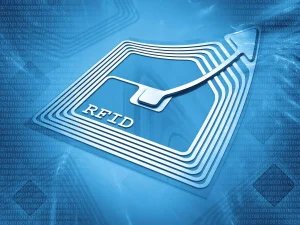
RFID tags can be attached to items in a store, medication in a hospital or pharmacy setting, or components on a production line. Every RFID tag contains a microchip and antenna. When tags are scanned using an RFID reader, data relating to the object’s status, location or unique identified code is communicated to the reader. From there, the data is sent to a wider system, such as a database, where it can be analyzed in order to inform future business or operational decisions.
Exactly how RFID is used in inventory management will depend on the industry in question; for example, in the retail sector, the data obtained from RFID tags may be used in merchandising strategies. Meanwhile, in a hospital environment, using RFID in inventory management can support patient safety, for instance by flagging when expired medication needs to be removed from an RFID medical cabinet and disposed of.
What Are The Benefits Of Using RFID In Inventory Management?
From enhanced inventory accuracy to reduced outgoings, there are many potential benefits of using RFID for inventory management. The advantages include:
- Increased Visibility: utilizing RFID in inventory management provides access to real-time asset tracking data, providing up-to-the-minute visibility for enhanced inventory accuracy.
- Enhance Efficiency: streamline operations by automating key processes, such as stock audits, improving overall business efficiency.
- Streamline Supply Chain Management: using RFID for inventory management provides end-to-end visibility into every stage of your supply chain, from the manufacturing line to the medication cabinet or shop floor.
- Increase Profitability: enhanced inventory management can result in reduced spend on inventory holding costs, helping to reduce costs. What’s more, automating previously manual tasks can save money on labor costs.
- Reduce Risk: RFID-enabled automation can help to minimize human error, improving safety and reducing associated costs. In addition, RFID can trigger an alert when items, such as medication, are reaching their expiration date, reducing the risks that can be associated with manual checks.
- Improve Customer Service: using RFID in inventory management can help to prevent stockouts, enables retailers to fulfill orders faster, and can make the checkout process significantly smoother, transforming customer experience.
- Tighten Security: an RFID-based inventory management system can help organizations to prevent product theft and loss, reducing shrinkage as a result; for example, RFID tags can send a signal straight away if an item is stolen from a store as part of a retail loss prevention system.
- Benefit Patient Safety: RFID tags can be used to improve medication traceability, enabling healthcare staff to more clearly see when drugs will expire, triggering automatic reorder, reducing the risks associated with consuming out-of-date products. Utilizing RFID for inventory management will also streamline hospital workflows, freeing up staff members’ time to focus more closely on delivering the patient care.
- Support Sustainability: using RFID tags for inventory management can even support a business’ sustainability efforts. Enhanced inventory visibility reduces the risk of unnecessary over-ordering, resulting in less waste.
Which Industries Can Benefit From Using RFID For Inventory Management?
Multiple industries can benefit from using RFID for inventory management, including:
Retail
Using RFID tags for inventory management in retail can help to automate stock audits, reducing time and labor costs, alongside providing real-time visibility into the location and status of stock. RFID tags can help to prevent loss, reduce shrinkage, and improve customers’ shopping experience
Healthcare
Hospitals, pharmacies and other healthcare environments can use RFID in inventory management to support patient safety by tracking the location of medical supplies. RFID can be used to keep track of consumables and medication expiry dates, helping to reduce waste, and it’s also used in in-vitro diagnostics for reagent inventory management.
Manufacturing
Businesses can use RFID tags to track components, raw materials and finished goods at different stages of a manufacturing process, streamlining workflows, reducing delays, and enhancing overall supply chain efficiency .
Warehouse
Use RFID tags to track items coming in and out of the warehouse to support supply chain management. Get access to real-time data on stock levels and location to improve the efficiency of order fulfilment and reduce shrinkage.
Automotive
Track components during automotive manufacturing via RFID tags to streamline the assembly process, reduce downtime, improve productivity, and support traceability.
Logistics
Utilize RFID for inventory management to track the location of packages, vehicles in a fleet, or baggage tracking in an airport setting for enhanced visibility, benefiting businesses and customers alike.
How To Implement An RFID-Based Inventory Management System
With so many advantages to using RFID for inventory management, how can businesses set up an RFID-based system in order to access these? Here’s how to set up inventory management using RFID, step by step:
- Assess your existing inventory management processes to identify where RFID could be used to streamline workflows
- Invest in the technology an RFID-based inventory management system requires, including tags, readers, antenna and software, ensuring this integrates with existing systems. At JADAK, we use a collaborative engineer-to-engineer approach to develop custom RFID solutions tailored to your organization’s individual needs and systems
- Train all staff on how to use the new RFID-based system to ensure it’s used as accurately as possible for efficient inventory management; in a hospital environment, this is crucial for patient safety
- Thoroughly test the RFID technology before rolling it out across your organization to troubleshoot any teething problems
- Continually monitor your RFID-based inventory management system and ensure it is maintained appropriately to keep it functioning at its most efficient
Challenges Associated With Using RFID Tags For Inventory Management
While there are many benefits to using RFID in inventory management, there can also be some limitations to this technology. Common challenges include:
- Set-up costs: the initial cost of implementing an RFID-based inventory management system can be high, with businesses needing to invest in RFID tags, readers, and software. At JADAK, we work with you to develop custom RFID solutions tailored to your specific needs and budget
- Signal interference: some liquids and metals can interfere with RFID signals, disrupting the transfer of data from tag to reader, hindering the technology’s efficiency. This can be especially disruptive in hospital settings, and further highlights the need to develop a custom RFID system, engineered for your unique environment
- Data security: RFID tags can carry sensitive information, raising some concerns around data security and privacy when these are read, depending on who has access to those details
- Compatibility: inventory management using RFID can only be successful when the technology integrates seamlessly with existing systems. JADAK’s engineers will work with you to build RFID solutions that are purposely designed to integrate with your current processes to ensure full compatibility
RFID Inventory Management Solutions By JADAK
Experience the benefits of using RFID for inventory management with JADAK. Our custom engineering solutions use industry-leading RFID modules and software to transform inventory management across the retail, manufacturing, and healthcare industries.
Our expert engineers will work closely with your in-house team to understand your organization’s requirements to develop bespoke RFID solutions, tailored to your precise needs. Contact us to learn more about RFID in inventory management.