

















RFID (Radio-Frequency Identification) is a wireless technology that uses radio waves to identify and track objects, assets, or products. The system has two components: RFID readers and RFID tags. The RFID reader, or module, emits radio waves and receives signals back from the RFID tags, which share identity information about the tag. A major benefit of RFID technology is that the modules can read information from multiple tags from a distance without requiring direct line of sight or physical contact.
Components of an RFID System
RFID systems are composed of several key components that work together to provide enhanced visibility and automation in various applications.
RFID technology itself comprises three basic key components:
- RFID tags: These are small, electronic devices containing a microchip and an antenna. Tags store unique identifiers and transmit data when activated by an RFID reader.
- RFID readers: Readers are devices that emit radio waves and receive signals from RFID tags. They capture tag data, including unique IDs and additional information.
- Software and middleware: Specialized software processes and manages the data collected by RFID readers, integrating it into existing systems and providing actionable insights.
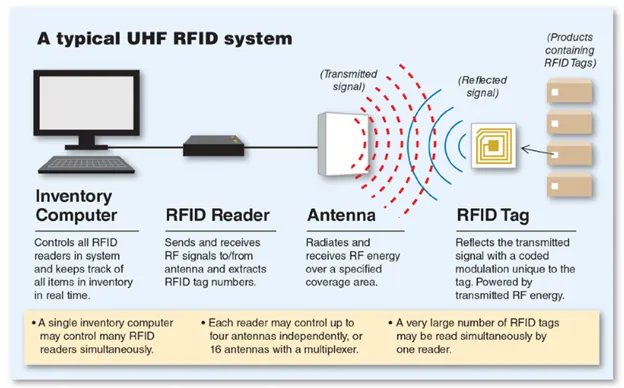
Source: A typical UHF RFID system
What is an RFID Tag?
RFID tags are fundamental to any RFID system and contain three essential components:
- Microchip: The microchip (or integrated circuit) stores unique identification information and may have additional memory for data storage.
- Antenna: An antenna is connected to the microchip and is responsible for transmitting and receiving radio signals. The antenna’s size and design can vary depending on the RFID tag’s type and frequency.
- Unique identifier: Each RFID tag has a unique identification number, which is programmed into the microchip during manufacturing. This identifier distinguishes one tag from another.
RFID tags come in various forms, including passive and active tags, and can be attached to products, assets, or items for tracking and identification purposes.
Passive vs. Active RFID Tags
- Passive RFID Tags: These tags rely on the energy emitted by RFID readers to transmit data. They are cost-effective and suitable for item-level tracking.
- Active RFID Tags: Active tags have their own power source (e.g., a battery) and can transmit data over longer distances. They are often used for tracking high-value assets and vehicles.
- Data Exchange: RFID technology facilitates data exchange between tags and readers in real-time. This enables businesses to access accurate, up-to-date information about the location, status, and history of tagged items.
RFID Frequency Bands
RFID systems use radio waves to communicate and the size of the radio waves are referred to as its frequency. The frequencies behave differently and there are benefits and better applications for each frequency band.
- Low-Frequency (LF): LF RFID is suitable for close-range applications, such as access control systems and animal tracking.
- High-Frequency (HF): HF RFID is commonly used for inventory management, access control, and contactless payment systems.
- Ultra-High-Frequency (UHF): UHF RFID offers longer read ranges and is preferred for supply chain applications, asset tracking, and retail inventory management.
RFID Readers
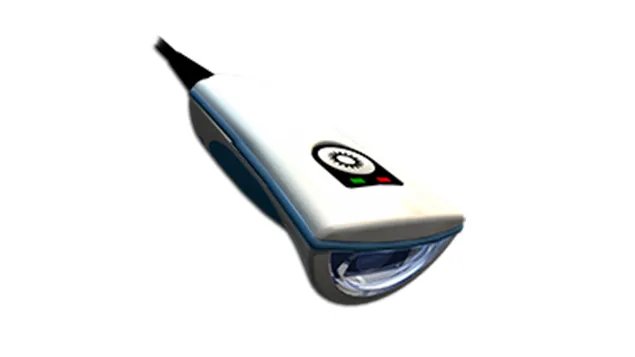
RFID readers (also known as interrogators) are devices that communicate with RFID tags by emitting radio waves. These devices play a crucial role in capturing data from RFID tags. Key features of RFID readers include:
- Antennas: RFID readers are equipped with one or more antennas that transmit and receive radio signals. The number and configuration of antennas affect the reading range and coverage area.
- Frequency Compatibility: RFID readers must operate at the same frequency as the tags they are meant to interact with, whether it’s low-frequency (LF), high-frequency (HF), or ultra-high-frequency (UHF).
- Data Processing: RFID readers capture data from tags and send it to connected systems for processing. They can be integrated with middleware or directly with enterprise systems.
- Connectivity: RFID readers typically have wired or wireless connectivity options (e.g., Ethernet, Wi-Fi, or cellular) to transmit data to central systems.
RFID readers are strategically placed in areas where item tracking, asset management, or access control is required.
RFID Middleware
RFID middleware is software that bridges the gap between RFID readers and enterprise systems. It serves as an intermediary layer responsible for:
- Data Filtering: Middleware filters and processes raw RFID data collected from readers, ensuring that only relevant information is passed on to higher-level systems.
- Data Integration: RFID middleware integrates RFID data with existing enterprise resource planning (ERP) systems, warehouse management systems (WMS), or other software applications.
- Event Handling: Middleware can trigger specific actions or events based on RFID data, such as updating inventory records, generating alerts, or initiating automated workflows.
RFID middleware plays a critical role in making RFID data actionable and usable within an organization’s broader ecosystem.
RFID Integrations with ERP Systems
Integrating RFID systems with Enterprise Resource Planning (ERP) systems is a crucial component of intelligent RFID solutions. ERP systems manage various aspects of business operations, including inventory, supply chain, and financials. RFID integration with ERP systems enables:
- Real-Time Visibility: RFID data provides real-time insights into inventory levels, asset locations, and supply chain movements, enhancing decision-making.
- Automated Processes: RFID data can trigger automated processes within the ERP system, such as updating inventory records, reordering supplies, or generating invoices.
- Accuracy and Efficiency: RFID eliminates manual data entry and reduces errors, resulting in more accurate and efficient business operations.
- Compliance and Traceability: RFID enables organizations to meet regulatory requirements and maintain detailed traceability records.
Integrating RFID with ERP systems allows businesses to leverage RFID’s capabilities for improved operational efficiency and decision support.
RFID Examples and Applications
Below is an extensive, though not exhaustive, list of items tracked using RFID to illustrate the reach of RFID technology today.
| Category | Examples | Category | Examples |
| Retail Inventory | Clothing, electronics, books, and other retail goods. | Museum and Gallery Assets | High-value artworks, artifacts. |
| Library Materials | Books, media for check-outs and returns. | Manufacturing Components | Inventory management in manufacturing plants. |
| Pharmaceuticals and Medical | Drugs, medical supplies for inventory, for authenticity. | Commercial Laundry Items | Large-scale operations like in hotels. |
| Hospital Equipment | Wheelchairs, IV pumps, and other hospital assets. | School/Office Equipment | Laptops, projectors, and other valuable items. |
| Vehicles | Rental fleets, dealership inventory, company vehicles. | Sports Equipment | Asset management in professional sports. |
| Logistics | Shipping containers, pallets in supply chain management. | Construction Equipment | Tools, machinery on construction sites. |
| Animal Tracking | Livestock, pets for identification and location tracking. | Waste Management | Bins for tracking and optimizing collection routes. |
| Security Documents | Passports, ID cards for security and identification. | Hotel Key Cards | For access control and security. |
| Food Products | Perishable items for tracking expiration dates and origin. | Event Management | Tickets for access control and preventing counterfeits. |
| Airport Luggage | Luggage to reduce loss and misplacement. | Personal Items | Small RFID tags for items like wallets or keys for easy locating. |
RFID solutions reach deep into many industries today.
Explore Your RFID Solution Needs With Precision Medicine
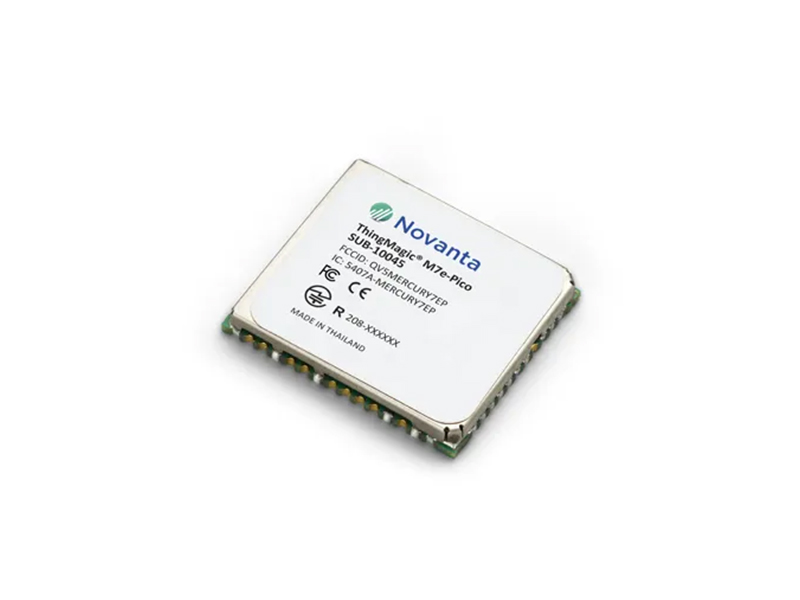
Ready to begin exploring how Novanta’s ThingMagic embedded RFID modules can be integrated into your systems? Contact us to speak to an RFID engineer.