
























Hospital inventory management oversees and controls the availability, storage, tracking, and utilization of medical supplies, equipment, and consumables within a healthcare environment. Key aspects of medical inventory management include stock monitoring and documentation, procurement, storage optimization, expiration date tracking, order processing, auditing, and demand forecasting.
The benefits of effective medical inventory management include:
- Increased efficiency and productivity
- Streamlined operations
- Minimize waste
- Prevent stockouts or overstocking
- Enhanced patient care
- Improved regulatory compliance
- Cost savings
Various technologies and tools are used in medical inventory management, including automation, RFID tracking, barcoding, software, and data analytics.

Hospital Inventory Management: What is it?
Hospital inventory management effectively oversees and controls the inventory or supplies within a hospital or healthcare facility. The primary goal of hospital inventory management is to ensure that the right items are available in the right quantities, at the right time, and in the right locations within the hospital.
Key aspects of hospital inventory management include:
- Inventory Tracking: Systems and processes accurately monitor and record inventory levels, including item details, quantities, locations, and expiration dates.
- Demand Forecasting: Historical data, patient trends, and other factors can anticipate future demand for supplies and ensure appropriate stock levels.
- Procurement and Ordering: Managing the procurement process, including selecting reliable suppliers, negotiating contracts, placing orders, and maintaining vendor relationships.
- Storage and Distribution: Organization and maintenance of proper storage facilities. This ensures appropriate handling and storage conditions for different items, and establishing efficient distribution channels within the hospital.
- Inventory Optimization: Inventory data identifies opportunities for improvement. This includes reducing excess stock, eliminating obsolete items, and implementing just-in-time inventory practices.
- Technology and Automation: Inventory management software, barcode systems, RFID tracking, and other technologies streamline inventory processes, enhance accuracy, and facilitate real-time visibility.
Hospital inventory management plays a critical role in the efficient utilization of medical supplies within healthcare facilities. To further enhance these processes, hospitals deploy Radio Frequency Identification (RFID) technology.
How Does Deploying RFID Support Hospital Inventory Management?
RFID is a powerful solution for tracking and managing inventory. It utilizes radio waves to wirelessly identify and capture data from RFID tags attached to items. RFID in hospital inventory management helps healthcare facilities leverage real-time tracking. Automated data capture and improved inventory control to optimize their operations enhances patient care.
RFID is popular in hospital inventory management. RFID technology streamlines and improves various processes. It impacts in vitro diagnostics (IVD), the medical chain of custody, surgical instrument tracking, and lab inventory management.
In Vitro Diagnostics
Hospital inventory management plays a crucial role in supporting automated in vitro diagnostics (IVD) within laboratory and hospital settings. Here are some ways in which inventory management contributes to the effective IVD testing:
- Ensuring Adequate Stock Levels: Proper inventory management ensures that laboratories have an adequate supply of IVD tests and reagents, and necessary IVD products are readily available.
- Minimizing Waste: Hospital inventory management helps in tracking expiration dates and ensures the use of products and reagents before they expire.
- Preventing Delays in Testing: Timely availability of tests and reagents reduces turnaround times, allowing healthcare providers to deliver prompt and accurate diagnoses to patients.
- Cost Control: By closely monitoring inventory levels, labs can avoid overstocking, which can lead to unnecessary costs associated with product storage, expiry, and obsolescence.
- Tracking Usage and Performance: Inventory management data analyzes insights and trends, monitors test performance, and evaluates the efficiency of different diagnostics.
- Quality Control and Compliance: Proper inventory management ensures that IVD products are safe in appropriate conditions, maintaining their quality and integrity. This adherence to storage requirements helps preserve the accuracy and reliability of diagnostic tests. Additionally, inventory management systems can assist in tracking lot numbers and product recalls, ensuring compliance with quality control standards and regulations.
Medical Chain of Custody
The chain of custody encompasses the secure and accountable handling of medical items, from their initial acquisition to disposal. Healthcare facilities can establish comprehensive systems that not only adhere to regulatory requirements but also ensure the traceability, integrity, and security of medical items throughout their entire lifecycle. This integration enables hospitals to maintain a high level of quality control while establishing robust protocols for the responsible and accountable management of medical items, ultimately safeguarding patient safety and regulatory compliance.
Hospital inventory management plays a significant role in maintaining the chain of custody for medical items, particularly in situations where the tracking and accountability of these items are crucial. Here’s how hospital inventory management helps with the medical chain of custody:
- Tracking and Identification: Hospital inventory management systems utilize various tracking technologies such as barcodes, RFID tags, or serial numbers to uniquely identify and track medical items throughout their lifecycle. Each item is assigned a unique identifier, allowing for easy traceability and accountability.
- Documentation and Records: Inventory management systems capture and maintain detailed records of medical items, including information such as item descriptions, quantities, acquisition dates, storage locations, and responsible personnel. These records serve as an audit trail and provide evidence of custody and movement for each item.
- Secure Storage and Access Control: Hospital inventory management ensures that medical items are safe. This is typically done in designated storage areas or cabinets with restricted access. Access control measures, such as keycards or biometric systems, help maintain the integrity of the chain of custody by limiting entry to authorized personnel only.
- Chain of Custody Documentation: Inventory management systems can generate chain of custody documentation. This records the transfer and handling of medical items from one custodian to another. This documentation includes important details such as the date and time of transfer, the names of individuals involved, and the purpose of the transfer. These records help establish a clear and unbroken chain of custody.
- Auditing and Accountability: Regular audits of inventory records provide physical counts that match the recorded quantities. These audits help identify any discrepancies or potential issues, ensuring accountability throughout the chain of custody. Any discrepancies are promptly identifiable, ensuring the integrity of the inventory management process.
- Chain of Custody Verification: In situations where medical items are transferred between different locations or given to external parties, the inventory management system verifies the chain of custody. By comparing the documented chain of custody with the actual movement of items, the system ensures that hospitals receive and transfer items securely and without tampering.
- Compliance and Regulations: Hospital inventory management systems help maintain compliance with relevant regulations. These regulations include those related to controlled substances or sensitive medical equipment. By tracking the movement and usage of these items, hospitals can demonstrate adherence to legal requirements and regulatory standards.
Surgical Instrument Tracking Systems
Hospital inventory management systems play a vital role in surgical instrument tracking. This ensures the availability, proper maintenance, and efficient utilization of instruments during surgical procedures. Here’s how hospital inventory management helps with surgical instrument tracking:
- Identification and Labeling: Hospital inventory management systems utilize various identification methods. This is seen with barcodes, RFID tags, or unique serial numbers to label surgical instruments. Unique identifiers are assigned to each instrument, allowing for accurate tracking and traceability.
- Inventory Visibility: Hospital inventory management systems provide real-time visibility into the location, status, and availability of surgical instruments. Staff can easily access information on instrument inventory, storage locations, and usage history. This visibility helps streamline instrument retrieval, reduces search time, and optimizes surgical workflow.
- Instrument Loaning and Borrowing: In complex surgical cases or when hospitals require specialized instruments, hospitals can loan or borrow instruments from other departments or facilities. Inventory management systems can facilitate the tracking of loaned instruments, ensuring proper documentation, timely return, and accountability.
- Sterilization and Maintenance Tracking: Surgical instruments require regular sterilization and maintenance to ensure patient safety and instrument longevity. Inventory management systems can track the sterilization cycles, maintenance history, and upcoming maintenance requirements for each instrument. This helps ensure compliance with sterilization protocols and prevents the use of unsterile or damaged instruments.
- Usage Tracking and Analytics: Hospital inventory management systems record the usage of surgical instruments. This is done by capturing data such as the date, time, and duration of use. This information helps with analysis and decision-making. Some of these decisions include instrument identification, allocation optimization, or pattern identification for instrument wear and replacement.
- Recall Management: In the event of a surgical instrument recall or safety alert, inventory management systems can aid in the identification and tracking of affected instruments. By cross-referencing the inventory records with recall notifications, hospitals can quickly locate and remove recalled instruments from circulation, ensuring patient safety and compliance with regulatory requirements.
- Loss Prevention and Theft Detection: Hospital inventory management systems help in preventing loss or theft of surgical instruments. By maintaining accurate records and implementing security measures, such as access controls and inventory audits, hospitals can identify any discrepancies, detect potential theft, and take appropriate action to mitigate losses.
Lab Inventory Management
Hospital inventory management systems are invaluable for managing laboratory inventory efficiently. They offer a range of benefits that support the organization, tracking, and utilization of lab supplies and equipment. Here’s how hospital inventory management helps with lab inventory management:
- Optimizing Stock Levels: Inventory management systems help maintain optimal stock levels of lab supplies and reagents. By tracking usage patterns, historical data, and expiration dates, these systems ensure that the correct quantity of items is available when needed, minimizing stockouts or overstocking.
- Automated Reordering: Inventory management systems can automate the reordering process for lab supplies. When inventory levels reach a predetermined threshold, the system generates purchase orders or requisitions automatically. This streamlines the procurement process and reduces the chances of running out of critical supplies.
- Cost Control: Effective inventory management contributes to cost control in the laboratory. By closely monitoring inventory levels, minimizing waste, and avoiding overstocking, hospitals can optimize their spending on lab supplies. This allows for better financial planning and allocation of resources.
- Vendor Management: Inventory management systems provide visibility into vendor performance, allowing hospitals to evaluate and compare different suppliers. By analyzing factors such as pricing, delivery times, and product quality, hospitals can make informed decisions when selecting vendors, ultimately improving the efficiency of the supply chain.
- Lot and Expiration Tracking: Lab inventory management systems can track lot numbers and expiration dates of supplies and reagents. This information reduces data expiration and allows for removal from inventory. By preventing the use of expired products, laboratories maintain accuracy and reliability in their testing procedures.
- Equipment Maintenance: Inventory management systems can track the maintenance schedules and service history of laboratory equipment. This ensures that the equipment is properly maintained, calibrated, and serviced at the required intervals. Regular maintenance increases the longevity of equipment and reduces the risk of unexpected breakdowns.
- Workflow Efficiency: By providing real-time visibility into inventory levels and locations, inventory management systems enhance workflow efficiency in the lab. Lab staff can quickly locate and retrieve supplies, reducing time wasted searching for items and improving overall productivity.
- Regulatory Compliance: Lab inventory management systems can help maintain compliance with regulatory requirements. By accurately documenting inventory levels, usage, and disposal of hazardous substances, hospitals can demonstrate adherence to safety and environmental regulations.
- Data Analysis and Reporting: Inventory management systems capture valuable data used for performance evaluation and decision-making. Reporting features enable hospitals to generate insights on inventory turnover, usage trends, and cost analysis. These insights help optimize inventory management strategies and make data-driven decisions.
How Novanta Redefines Hospital Inventory Management
Novanta specializes in healthcare engineering solutions. This includes medical inventory management and consumable inventory management for in vitro diagnostic (IVD) testing, surgical tracking, and hospital inventory management. Novanta develops innovative technologies and systems that improve hospital inventory management. This is done through customized engineering solutions like:
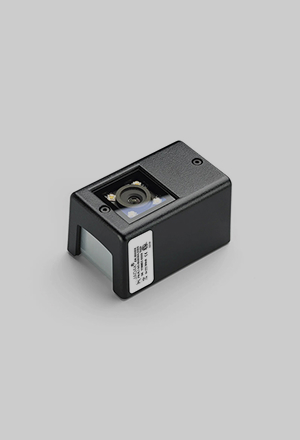
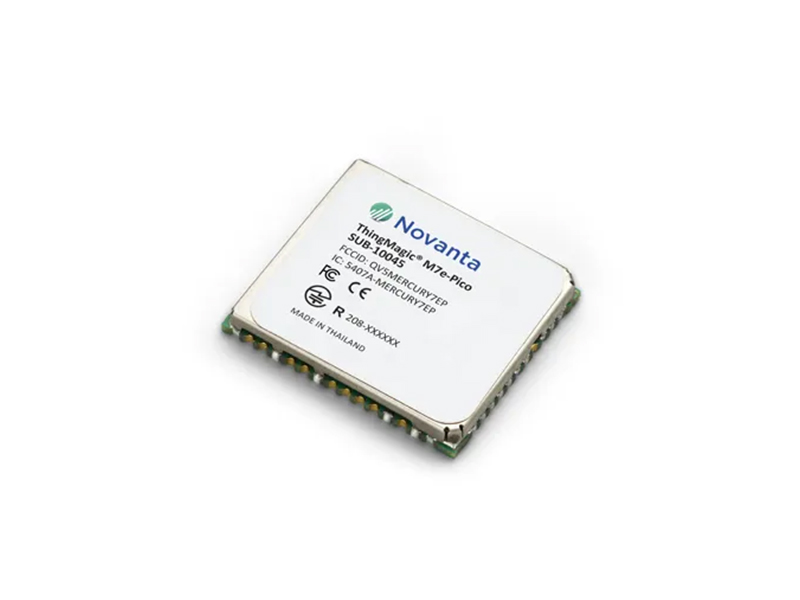
- RFID and Barcode Technologies
- Automation and Data Integration
- Medical Device and Consumable Tracking
- Inventory Optimization
- Regulatory Compliance
Read more about how introducing RFID into next-gen automated in-vitro diagnostic testing enhanced workflow precision and accuracy