



















Using RFID tags for livestock tracking can be transformative for farmers. Cattle, sheep, goats, pigs, and other livestock can all be tracked more accurately and efficiently using RFID, enhancing animal health, product traceability, and more. In this article, we explore the benefits and uses of RFID animal tracking technology for preparing farming practices for the future.
What are RFID Tags for Livestock Management?
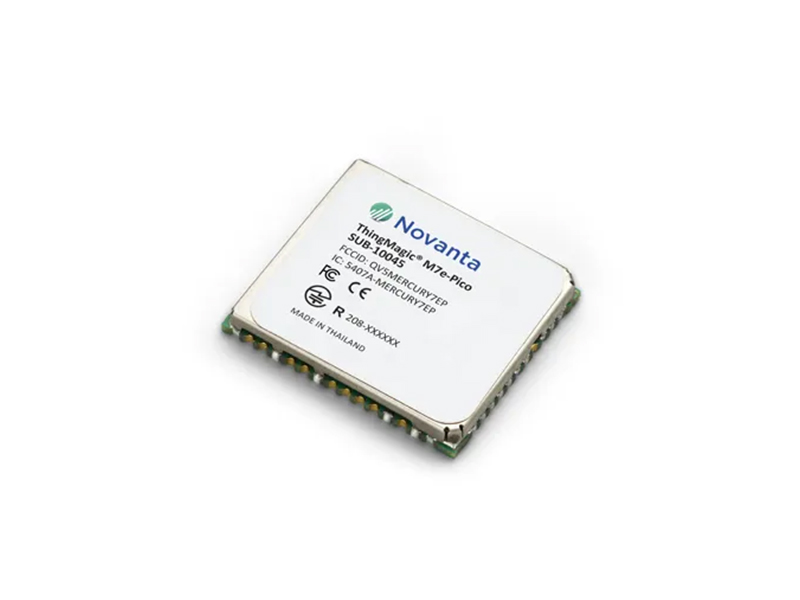
RFID tags are small electronic devices that contain a microchip where tracking data is stored in real time, alongside an antenna, which allows them to communicate with RFID readers using radio frequency identification technology. The data communicated is stored in a central system to support data-driven decision making.
How is RFID Used for Animal Tracking?
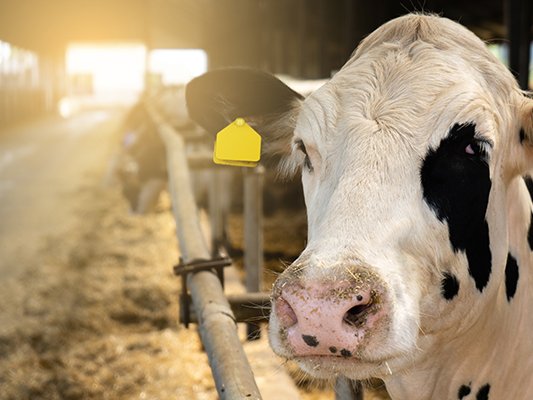
RFID tags for livestock are safely and comfortably attached to the ears or embedded under the skin of cattle, sheep, goats, pigs, or other herd animals, allowing farmers to keep track of their location and status in real time. The data stored by an RFID tag could include health or vaccination information, as well as the animal’s breeding history.
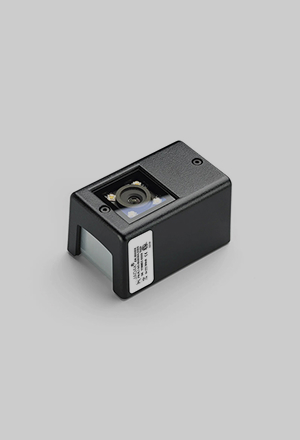
When scanned using a compatible reader, RFID tags for cattle tracking or animal identification will emit a radio signal that powers the tag to gather key information on the individual animal. This can then be analyzed and used to inform data-driven decisions regarding disease prevention and breeding, for example.
10 Benefits of RFID Animal Tracking
There are many advantages of using RFID for livestock management, from enhanced traceability to improved efficiency and compliance. Farmers can manage disease outbreaks, promote sustainable farming practices, and make data-driven decisions regarding everything from breeding to animal behavior with RFID animal tracking technology.
1. Accurate Livestock Identification
One of the main benefits of using RFID for livestock tracking is the ability to track and identify individual animals within a herd accurately. Manual tagging and tracking systems carry the risk of human error, which could result in animals being wrongly identified.
RFID technology collects and communicates data in real time, enabling farmers to immediately identify the location of an animal and see its health records and individual history instantly. This is important for ensuring accurate traceability throughout the supply chain, helping farmers to stay compliant.
As a result, RFID animal tracking supports a farm’s overall efficiency thanks to faster, more accurate data collection and management. This subsequently saves money by reducing labor costs.
2. Enhanced Biosecurity
Using RFID livestock management solutions can have significant benefits in helping farmers to prevent the spread of disease in the event of an outbreak. As each animal’s movements are tracked in real time via RFID, potential sources of outbreaks can be quickly identified, and decisions can be made to isolate at-risk animals to protect the rest of the herd.
RFID cattle tracking solutions are often used to support farmers’ biosecurity measures, enhancing traceability and making it easier to implement quarantine measures to minimize disease outbreaks. What’s more, the highly accurate data gathered via RFID can be stored securely in a central system, providing vets or researchers with vital information on the spread of an illness, so lessons can be learned to help prevent future outbreaks.
3. Support Supply Chain Traceability
RFID animal tracking is also vital for supply chain visibility. RFID tags can hold information on the origin, status, and journey of animal-derived ingredients to support product transparency and traceability. This is key in the food and beverage industry, where demonstrating traceability is essential for compliance.
In the event of a product recall or health and safety issue within the supply chain, the use of RFID means that specific items can be quickly identified and removed from sale, supporting consumer safety, customer satisfaction, and brand reputation.
4. Stay Compliant
RFID tags are now required for cattle in the US by law, as of 2024. Cattle and bison that are being transported across states must have visible RFID ear tags to support animal identification, disease control, and traceability. This move from the Animal and Plant Health Inspection Service (APHIS), part of the United States Department of Agriculture (USDA), applies to all cattle aged over 18 months, as well as all dairy cattle, and any used in recreation events.
The legislation was introduced to help contain any disease outbreaks, ensuring all cattle are tracked from birth to death. Make sure you’re prepared for any inspections or audits, and for moving your herd when needed, with JADAK’s industry-leading RFID tags for cattle tracking.
5. Predict Animal Behavior
The use of RFID animal tracking allows researchers to gather real-time data to analyze animal behavior patterns and changes over time. By monitoring interactions between animals, RFID can provide detailed insights into social dynamics within a herd, such as territorial and mating behaviors.
The data collected via RFID livestock management technology can be used to identify early signs of illness, stress, or the effects of environmental changes. Farmers can then analyze this data to make better-informed decisions about the location and welfare of their herd.
6. Make Data-Driven Breeding Decisions
RFID tags for livestock will store information on an animal’s lineage, pedigree, and behavior, which is all vital for selecting the healthiest, best-performing animals for mating. In addition, RFID provides detailed, real-time insights into each animal’s reproductive success rates and the health and performance of their litter, supporting future breeding decisions too.
7. Prevent Livestock Theft
Farmers can also use RFID livestock management solutions to prevent animals from being stolen or lost. Thanks to real-time data, animals can be instantly located, flagging any unusual movements that may signal an animal being lost or stolen. Every RFID tag has a unique ID code, which supports ownership verification, deterring thieves, and reducing the risk of resale or unauthorized integration into another herd.
8. Promote Sustainable Farming
RFID animal tracking technology supports sustainable farming practices in multiple ways, including by detecting disease earlier to reduce the need for antibiotics, and by monitoring animals’ movements more accurately, so that feed and other resources can be distributed more efficiently.
Additionally, the data insights collected via RFID tags for livestock tracking can be used for more selective breeding to promote greater herd productivity and resilience, contributing to more sustainable farming practices overall.
9. Save Costs
RFID livestock management processes can be significantly more cost-efficient than manual systems. Automating data collection helps farms to save on labor costs, improves efficiency and productivity, and reduces the risk of potentially costly human errors.
By identifying potential disease outbreaks earlier, the cost of veterinary care or large-scale loss of livestock can be avoided. Meanwhile, the insights gathered via RFID tags allow farmers to optimize feeding schedules, reducing feed costs, further supporting cost efficiencies.
10. Seamless Integration
RFID animal tracking technology can be easily integrated with your existing farm management systems to support overall efficiency, so you can start experiencing the benefits of RFID for cattle and herd tracking straight away. JADAK will work with you to create a custom RFID solution tailored to your requirements, engineering our market-leading technology to ensure compatibility with your current setup.
RFID Animal Tracking Applications
RFID livestock management technology can be used for the following tasks:
- Quickly locating animals in real time to support overall efficiency
- Recording an individual animal’s health checks and updates
- Keeping track of animals’ vaccination history
- Monitoring the progress of pregnant animals
- Tracing products throughout the supply chain
- Gathering data for scientific research on factors such as breeding patterns to support wider studies
Custom RFID Livestock Management Solutions by JADAK
The future of agriculture will be fueled by increasingly advanced technology, so farmers need to make sure they’re prepared and aren’t left behind.
Bring your practices into the future with a custom-engineered solution developed in collaboration with JADAK. Ensure seamless integration with your existing farm management systems by creating a bespoke RFID animal tracking system tailored to your unique needs. Through our engineer-to-engineer approach, our highly experienced experts will work with you to build a custom solution to transform your farming practices for the future.
Contact us today to find out more about using RFID for livestock management.
Read More About RFID:
BLOG: RFID Technology in Agriculture: Uses, Benefits & Future Trends