

















The use of RFID technology in agriculture is becoming increasingly widespread, as a growing number of businesses recognize its uses and benefits. The future of the agricultural industry will be built on advanced, smart tech, so it’s vital to be prepared to ensure your business isn’t left behind. In this article, we’ll explore the different RFID applications in agriculture, the technology’s advantages, challenges surrounding initial implementation, and examine the future of RFID in farming.
What is RFID?
RFID (radio frequency identification) technology uses electromagnetic fields to identify, track, and analyze tags or chips that have been attached to objects. RFID is used by multiple industries, including healthcare, retail, manufacturing, logistics, and agriculture, to track and report on objects in real time.
RFID systems consist of:
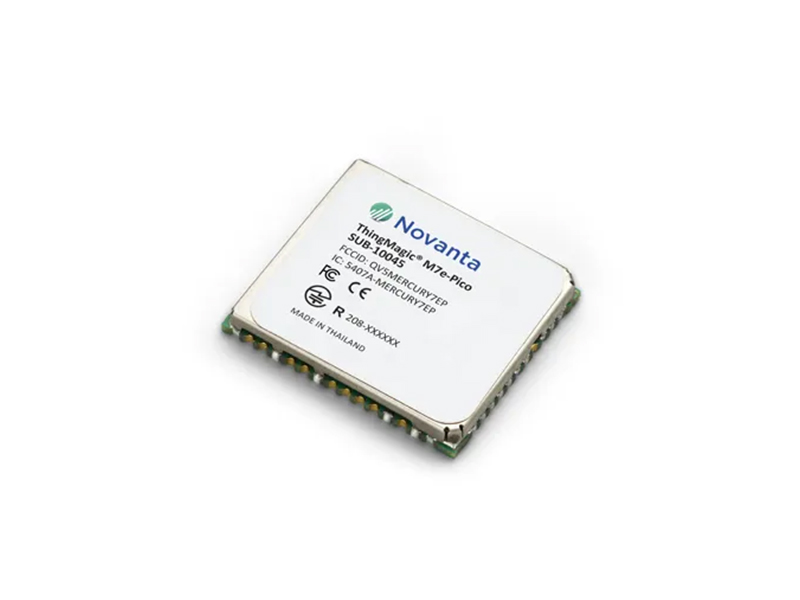
- RFID tags, which feature a microchip and antenna
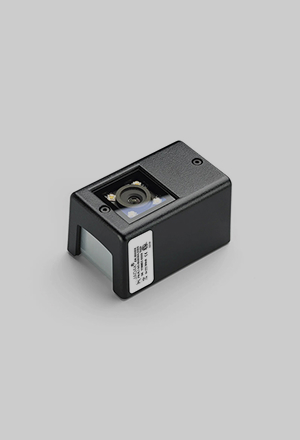
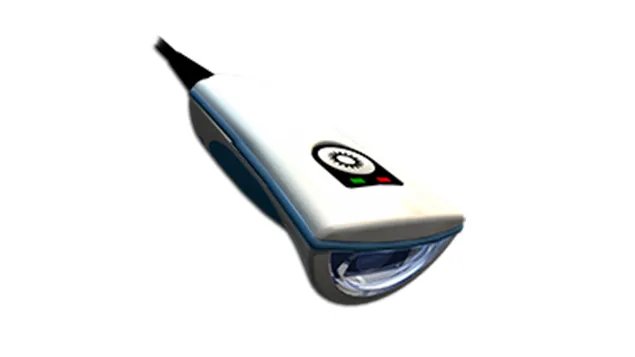
- An RFID reader, used to gather the data from the tag
- Software, which processes the data gathered by the RFID reader, enabling the end user to make informed operational decisions
In the agricultural sector, RFID technology is used to provide real-time visibility into livestock, crops, farming equipment, and the wider supply chain.
7 Uses of RFID in Agriculture
From enhanced livestock management to greater supply chain visibility and real-time asset tracking, multiple RFID applications in agriculture can transform the way agri-food businesses operate.
1. Livestock Management
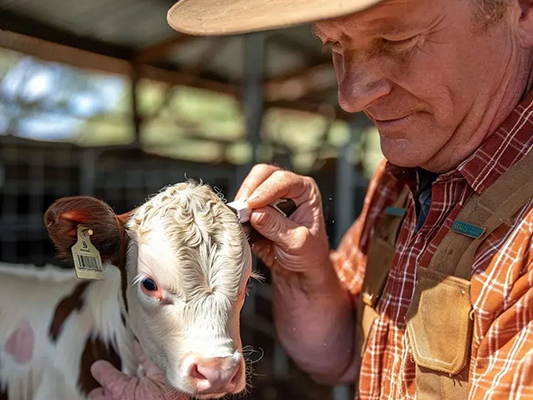
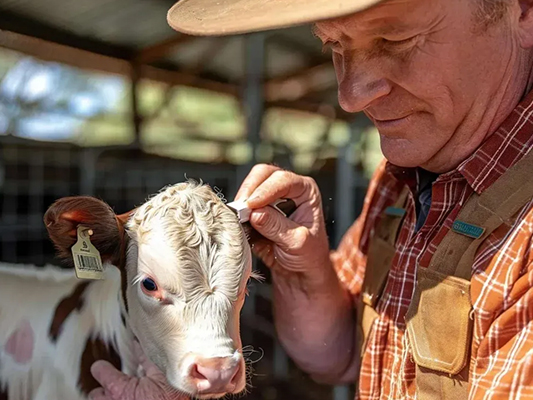
One of the most common uses of RFID in agriculture is in livestock management. RFID tags can be attached to individual animals via an ear tag or implant, so that farmers can keep track of their exact location at all times. Tracking the location of livestock, such as pigs, cows, sheep, horses, or chickens, in real time is vital for keeping the animals safe and preventing the spread of disease.
Scanning an animal’s RFID tag can provide farmers with details on its health, breeding history, vaccination schedule, and more. This means individual animals can be quickly and accurately identified to support enhanced monitoring. RFID can also be used to automate livestock feeding, controlling the amount of feed each animal receives to support end-product quality.
2. Crop Management
Crop management is another use of RFID in farming, as tags can be attached to seed packets or even individual plants to monitor their progress and ensure accurate record-keeping of planting, watering, and harvesting schedules. When scanned using a compatible RFID reader, these tags can communicate data on everything from soil condition to crop health, with farmers using these enhanced insights to allocate resources more efficiently.
The use of RFID in agriculture further supports crop management by helping farmers track their inventory of fertilizers, pesticides, and other essential supplies, preventing these from running out or being needlessly wasted.
3. Supply Chain Traceability
The level of visibility that RFID provides at every stage of the supply chain improves transparency, traceability, and compliance from farm to shelf to table. Tracking livestock or crops using RFID tags means data on the individual animal or plant’s status can be gathered from the beginning of the product lifecycle onwards. Subsequent RFID tags used by processing plants, logistics companies, and retailers can retain this data, as well as other key information relating to the product’s journey.
This means that, if an issue occurs, it is easier for retailers to identify products being recalled, helping to keep customers safe. It also means consumers can receive accurate information on the origin of their food, supporting compliance with regulatory standards. Find out more about the role of RFID in the food and beverage industry.
4. Asset Tracking
The ability to track assets and equipment in real time is one of the primary uses of RFID in agriculture. This provides farmers with up-to-the-minute insights into the status and location of assets, reducing the risk of expensive loss or theft, supporting timely maintenance schedules, and enabling resources to be allocated more efficiently.
Agricultural assets that can be tracked using RFID include:
- Tractors
- Plows
- Harvesters
- Seed packets
- Livestock
- Animal feed
- Automated feeding systems
- Milking machines
- Fertilizers
- Irrigation systems
5. Inventory Management
RFID technology, in agriculture or other industries, is frequently used to streamline and improve inventory management. By providing real-time visibility into available levels of feed, fertilizers, and other vital supplies, RFID helps farmers avoid running out of items that are essential to the efficient, safe running of their farms.
RFID provides more accurate data on stock levels, reducing the risk of manual counting errors, as well as the amount of time required for inventory checks. As a result, using RFID for agriculture inventory tracking can help businesses to save labor and waste costs, and improve overall efficiencies.
6. Disease Control
Utilizing RFID in livestock management provides farmers with enhanced data on animals’ health and behavior, which can be used in disease control. Farmers can use these insights to identify and isolate outbreaks of disease, alongside using RFID to monitor the movements of other animals to prevent the illness from spreading further.
RFID also plays a vital role in pest control. The crop status data gathered by RFID tags can be used to identify outbreaks of potentially catastrophic pests, flagging changes in growth or status. Agricultural workers can spot patterns in the data and make quick decisions to prevent a more widespread outbreak that could impact the overall harvest.
7. RFID Greenhouses
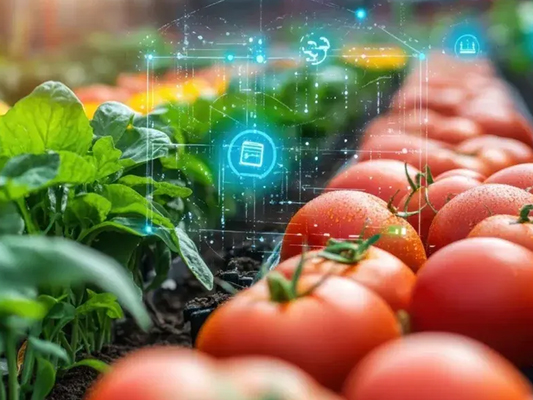
One of the most innovative ways that RFID agriculture technology is used is in smart greenhouses. An RFID greenhouse uses radio frequency identification to monitor the environment, including temperature and light levels, as well as the growth and status of plants.
RFID tags attached to individual plants can provide information on factors such as watering schedules, soil moisture levels, and humidity levels. By accessing this data via an RFID reader or central system, agricultural workers can make informed, data-driven decisions on future planting schedules, energy efficiency, and resource allocation.
What are the Benefits of Using RFID Technology in Agriculture?
There are many advantages of using RFID in agriculture, from improving livestock welfare standards to streamlining operational efficiency. The key benefits of RFID for agri-food industries include:
- Real-Time Tracking: RFID provides real-time visibility into the location and status of animals, agricultural workers, and farming equipment. This enables resources to be allocated more efficiently and offers up-to-the-minute insights into livestock health and behavior.
- Improved Inventory Management: Utilizing RFID in farming significantly improves inventory management by automating record-keeping and gathering more accurate insights into available levels of feed and seed, reducing the risk of human error or vital stock running out.
- Greater Supply Chain Transparency: By providing visibility at every stage of the supply chain, RFID enhances traceability and transparency, ensuring higher food safety standards, and supporting compliance with agricultural industry standards.
- Enhanced Efficiency: Greater efficiency is one of the most transformative benefits of introducing RFID technology in agriculture. Use RFID to streamline data collection, reduce the risk of costly human errors, and make faster, better-informed decisions.
- Improved Animal Welfare: Guarantee higher animal welfare standards with RFID. In farming, the tech can be used to monitor animal health records, vaccination schedules, and medication to reduce the risk of disease transmission. The enhanced visibility provided by RFID makes it easier to ensure that all animals have their individual needs met.
What are the Challenges of Using RFID in Agriculture?
Introducing a new system or technology always presents some challenges. When implementing RFID in farming environments, initial challenges may include:
- Implementation Cost: The initial cost of investment in RFID technology, such as tags, readers and software, can be high. However, JADAK’s custom engineering solutions can be developed in line with your budget, and they’re designed to deliver cost savings by improving operational efficiencies.
- Environmental Interference: The strength of RFID signals can be affected by proximity to certain metals and water, so this should be a key consideration when rolling out RFID in agriculture.
- Integration: It may be complex and require a complete culture change to integrate RFID technology with your existing systems, and to train staff on how to use the tech. JADAK’s engineers will work with you to develop an RFID system that integrates seamlessly with your existing systems for minimal disruption.
- Data Management: Using RFID technology in agriculture generates large volumes of real-time data in a central system, which requires time and resources to analyze. Businesses must invest in an effective data management system to reap the benefits of RFID in farming and see a return on their investment.
What Does the Future Hold for RFID in Agriculture?
The use of RFID technology in agriculture is expected to continue increasing in the future, as the industry continues its transition to a more modern, tech-led way of working. Widespread use of RFID in farming applications will transform livestock and crop management, animal welfare standards, and supply chain traceability, benefiting livestock and consumers alike. In addition, there’s the potential for RFID to be incorporated in automated agricultural equipment to enhance efficiency even further.
Make sure you’re prepared for the future and talk to JADAK about developing a custom RFID solution to streamline your operations. Don’t get left behind; collaborate with our engineers to integrate RFID into your agricultural practices to enhance efficiency, improve traceability, and improve standards. Contact us today to get started.