

















RFID manufacturing solutions track parts, components, and products in real time to enhance inventory management. RFID automates data collection to streamline processes and support overall efficiency and productivity, benefiting your bottom line.
RFID technology is used in manufacturing to support asset management, quality control, traceability, security, logistics tracking, and overall supply chain visibility. In manufacturing, RFID can be used to identify defects or to support the product recall process, enhancing end-user satisfaction.
The benefits of using RFID in manufacturing include:
- Improved inventory management
- Enhanced efficiency and productivity
- Access to more accurate, real-time data
- Streamlined workflows
- Increased supply chain visibility
- Reduced risk of human error
- Enhanced traceability
- Time, resource, and cost savings
Which Type of RFID is Used in Manufacturing?
Passive UHF (ultra-high frequency) RFID is most likely to be used in manufacturing environments. Unlike active RFID tags, passive RFID tags don’t rely on a power source. Instead, they use radio frequencies transmitted by scanners and readers to communicate.
It’s more energy and cost-efficient to use passive UHF RFID tags, especially in environments that don’t require long-distance scanning
RFID Components Used in Manufacturing Facilities
Three key RFID components are used within the manufacturing space for advanced tracking of manufactured goods, parts, and equipment.
| RFID Tags | Tags attach to assets (machinery, items, and components) for tracking by the RFID system using radio frequencies. Each tag is unique, and UHF RFID allows for quick, batch reading of multiple tags at once. |
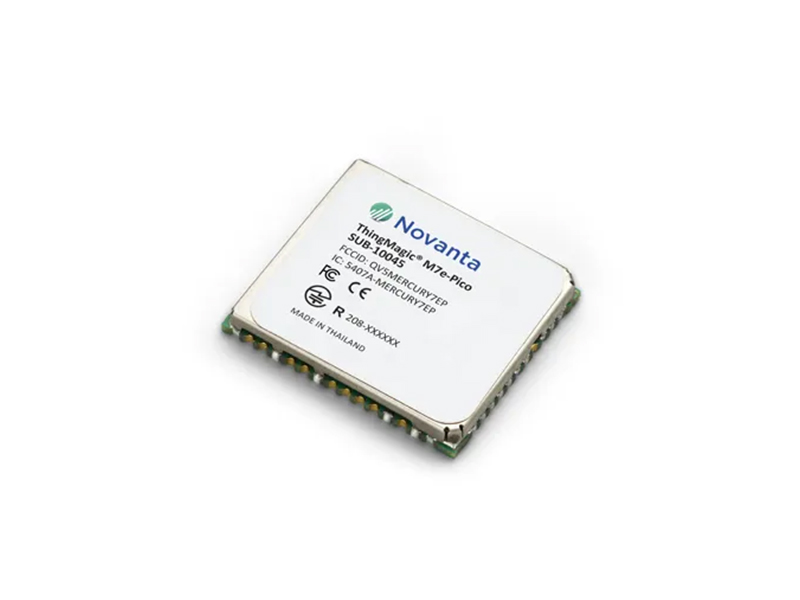
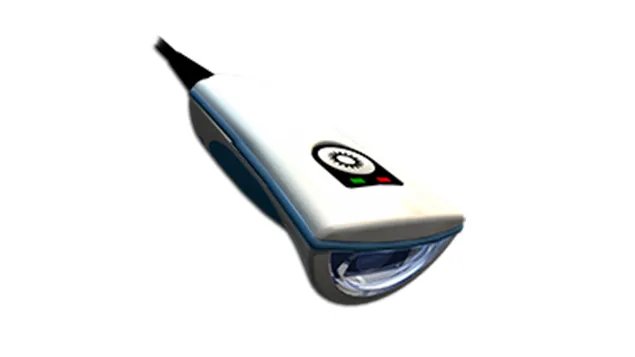
| RFID Readers | Readers scan RFID tags as they move around the manufacturing facility, collecting up-to-the-minute information into a database system. |
| RFID Database | Scanners and readers feed data into a central database for generating reports, accessing tag information, and identifying trends. |
Benefits of RFID in Manufacturing
A comprehensive RFID system in manufacturing offers many benefits, including reduced manual labor and the possibility of process automation.
- Time and Resources Saved: Advanced resource tracking, output tracking, and bulk RFID scanning means that precious time and resources are saved across manufacturing environments.
- Improved Accuracy and Availability of Data: Using RFID tags improves the accuracy of stock taking, reduces margins for error, and makes data of assets more readily available.
- Finer Control of Production: With more frequent, bulk scanning of tags, better control can be taken over the production process. Because live data is available, production issues can be spotted quickly, and more informed decisions can be made with minimal human input.
- Better Traceability: With RFID tagging, assets, materials, and machinery are easier to trace, allowing clearer opportunities for streamlining operations.
How is RFID Used in Manufacturing?
There are plenty of applications for RFID in manufacturing settings, but its core purpose is to track inventory as it moves in, out, and around facilities. RFID can be utilized throughout the whole production process for efficient tracking and management. Below are some of the areas where RFID is useful:
- Asset Management
RFID can be used to effectively manage assets across the manufacturing facility. This includes tracking stocks of valuable raw materials, components, finished products, and even the machinery used to manufacture products.
The tags used within an RFID system are an energy-efficient way of enabling real-time locating systems within facilities, removing the need for time-intensive, costly manual inventory checks. RFID systems can also be used to monitor expiration dates and stock levels to incur less waste.
- Monitoring Production Line and Facility Outputs
RFID data can be reviewed to assess the outputs of various points in the production line, as well as spotting bottlenecks and problem areas. This is made possible by building in scanning points throughout the facility, and reviewing reports generated by the RFID database software.
This level of monitoring also means that manufacturers can identify quality issues faster, significantly reducing production line wastage.
- Security
Facilities full of expensive equipment and materials need effective security. Adding RFID access control systems throughout the production environment means workers can still quickly navigate the facility to get where they need to be, but visitors and unauthorized staff are restricted from entering dangerous zones and sensitive areas.
- Logistics Tracking
Once manufactured assets have left a facility, their whereabouts can be tracked with the use of RFID vehicle tracking systems as they reach various checkpoints. This largely eliminates the risk of assets going missing as they travel to their final destination, removing unknowns from the supply chain.
RFID Can Revolutionize Manufacturing
Using the smart implementation of RFID, manufacturing can be optimized to save costs, materials, and free up the time of workers to focus on tasks that require human input. Contact Jadak to speak to our RFID engineers about creating a custom RFID solution using our ThingMagic RFID technology for your manufacturing operations.