







Introduction to IVD and Machine Vision Technology
In Vitro Diagnostics (IVD) is a critical sector in the medical industry, involving tests on biological samples for disease detection, health monitoring, and guiding therapy. Advances in technology, such as Machine Vision Cameras, Deep Learning and AI, have significantly improved IVD, making diagnostics more accurate, efficient, and faster.
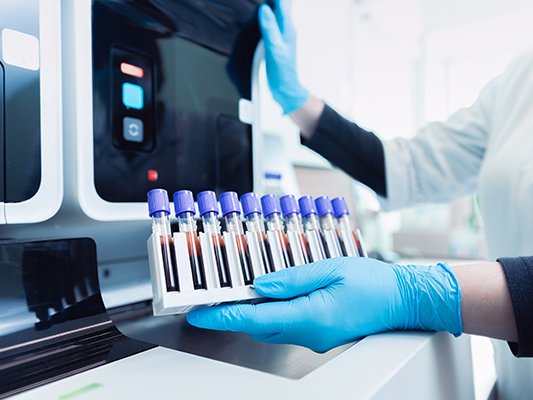
Machine Vision Cameras have become indispensable in modern IVD systems, revolutionizing how diagnostics are performed. These cameras bring advanced imaging capabilities to the laboratory, enabling precise and detailed analysis of biological samples. This precision is particularly critical in accurately identifying disease markers, evaluating cellular structures, and quantifying biomolecules, which are essential steps in diagnosing and monitoring a wide range of health conditions. Furthermore, advanced imaging capabilities ensure precision in sample analysis, reduce human errors, and increase throughput. They are vital in applications like Barcode Reading and Liquid Level Measurement, and streamlining the diagnostic process.
Reducing Human Error and Increasing Reliability
One of the key impacts of Machine Vision Cameras with Deep Learning in IVD is the substantial reduction in human error. Traditional diagnostic methods relying on manual inspection are prone to inconsistencies and mistakes. Machine Vision Cameras, however, provide consistent, repeatable results, thereby increasing the reliability of diagnostic outcomes. This consistency is especially vital in high-volume testing environments, where even a small percentage of error can impact many patient outcomes.
Machine Vision Enhances Throughput in Diagnostic Processes
Another significant contribution of Machine Vision Cameras to IVD is the increase in throughput. The automation enabled by these cameras allows for faster processing of samples. High-resolution imaging and rapid data processing capabilities mean that more samples can be analyzed in less time, without sacrificing accuracy. This increased throughput is essential in scenarios such as epidemic outbreaks or routine mass screenings, where timely processing of large numbers of samples is crucial.
Applications in Barcode Reading and Liquid Level Measurement
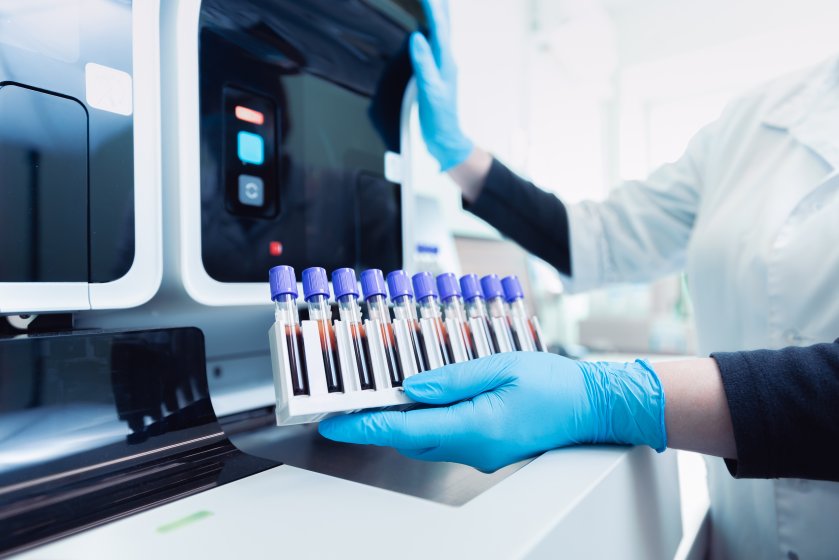
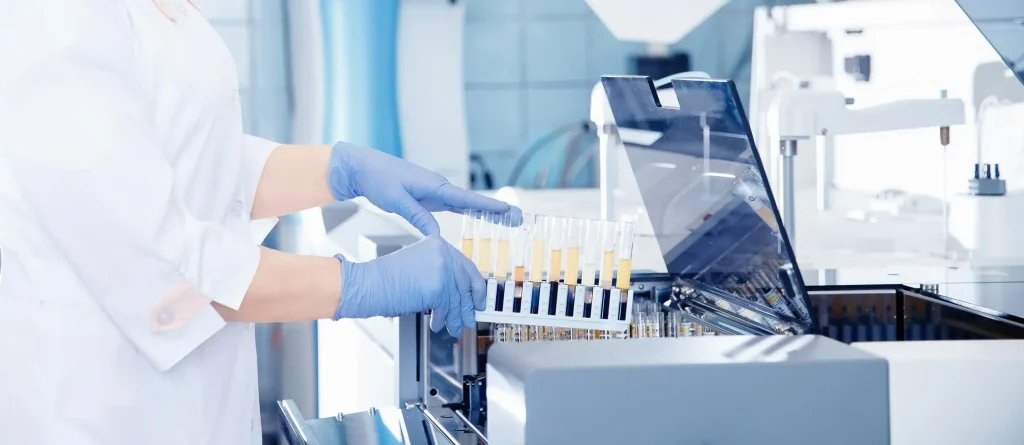
Machine Vision Cameras are instrumental in applications such as Barcode Reading and Liquid Level Measurement. Barcode reading ensures accurate sample identification and tracking throughout the diagnostic process, which is crucial for maintaining data integrity and patient safety. Liquid level measurement is another critical application, especially in assays where precise volumes of reagents and samples are paramount for accurate test results.
Automating and Optimizing Laboratory Workflows
Machine Vision Cameras facilitate the automation of various other processes in IVD, including sample sorting, alignment for analysis, and real-time monitoring of assay reactions. This level of automation not only speeds up the diagnostic process but also frees up laboratory personnel to focus on more complex tasks, thereby optimizing laboratory workflows and improving overall efficiency.
Exploring the Allegro IVD Smart Camera
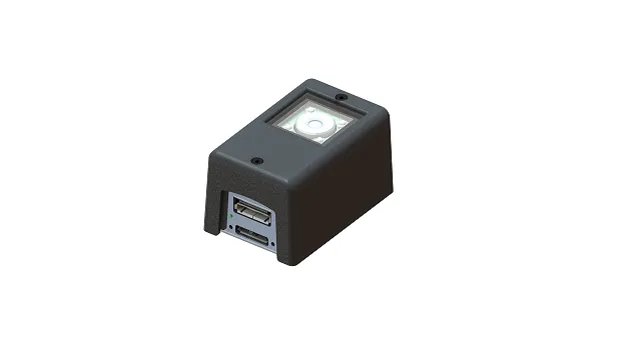
The Allegro IVD Smart Camera is tailored for the IVD industry, featuring customizable sensors for detailed sample analysis. Its rapid image processing, robust build, and easy integration are complemented by a Low Distortion Lens, crucial for accurate diagnostics.
For IVD OEMs, this camera offers scalability and precision, enhancing the quality of diagnostic devices. Its versatility extends from blood analyzers to complex genomic testing equipment, marking a significant step in Medical Device Automation.
Design and Performance
The Allegro IVD camera’s design and features significantly contribute to its high-performance capabilities. The compact design, combined with the advanced lens technology, makes it an invaluable tool in the realm of IVD diagnostics.
Compact Design and High-Performance Capabilities
The Allegro IVD camera’s compact design enables integration in space-constrained IVD devices without compromising performance. Its design is especially beneficial for Real-Time Operating Systems (RTOS) in IVD applications, where efficient use of space is critical. The camera’s ability to fit into smaller spaces without sacrificing functionality or performance is a testament to its innovative design, meeting the stringent requirements of modern IVD systems.
Proprietary Lens and Low Distortion Features
A standout feature of the Allegro IVD camera is its proprietary lens, which has been meticulously engineered to reduce optical distortion. This is particularly important in applications that demand high precision and accuracy, such as those found in the field of IVD diagnostics. The camera’s lens ensures that measurements are accurate and analyses are detailed, thereby enhancing the overall reliability of IVD diagnostics. This reduction in optical distortion is crucial in applications where even the slightest error can lead to significant consequences, ensuring that the camera provides dependable and consistent results
Technological Innovations in the Allegro IVD Camera
The combination of the advanced onboard illumination system and the powerful NXP IMX7 processor places the Allegro IVD camera at the forefront of technological innovation in medical diagnostics.
Onboard Illumination and LED Technology
A key innovation in the Allegro IVD camera is its advanced onboard illumination system, which is equipped with state-of-the-art LED technology. This feature is pivotal in ensuring that the camera provides consistent and optimal lighting conditions for imaging samples. The LED technology not only offers superior illumination but also contributes to the overall energy efficiency and longevity of the camera. The quality of lighting is crucial in maintaining the integrity of diagnostic images, as it directly affects the accuracy and reliability of the analysis. By providing stable and uniform lighting, the Allegro IVD camera ensures that diagnostic images are of the highest quality, which is essential in critical medical diagnostic procedures.
The Power of the NXP IMX7 Processor
At the heart of the Allegro IVD camera lies the powerful NXP IMX7 processor, a component that plays a critical role in its functionality. This processor is renowned for its ability to handle complex imaging algorithms with ease, making it an ideal choice for the high demands of modern IVD applications. The NXP IMX7 is particularly adept at managing real-time data processing, which is essential in Machine Vision Cameras used in the medical field. Its robust processing capabilities ensure that the camera can perform intricate analyses and deliver results with speed and precision. The integration of the NXP IMX7 processor in the Allegro IVD camera marks a significant advancement in the camera’s ability to provide rapid, accurate, and reliable diagnostics, essential for patient care and medical research.
Advanced Capabilities of Machine Vision in IVD
Precision in Barcode Reading and Liquid Level Measurement
- Exhibits unparalleled accuracy in Barcode Reading, essential for the meticulous identification and tracking of samples in laboratory environments.
- Provides precise Liquid Level Measurement, critical for maintaining the integrity of test tube diagnostics, thereby preventing errors like sample dilution or contamination.
Comprehensive Sample Tube Analysis and Enhanced Handling
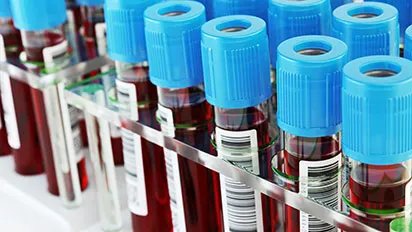
- Employs cutting-edge technology for in-depth analysis of sample tubes, including intricate cap color detection and efficient, error-free label reading.
- The automation of these tasks significantly minimizes human errors, increasing the reliability and accuracy of handling delicate diagnostic samples in high-throughput settings.
Advanced Software and Real-Time Processing in IVD Machine Vision
Essential Integration of Real-Time Operating Systems
- Real-Time Operating Systems (RTOS) are integral for the swift and efficient processing of data in IVD applications, ensuring no delay in critical diagnostic outcomes.
- These systems enable cameras like the Allegro IVD to deliver immediate and precise diagnostic results, essential in time-sensitive medical scenarios.
Utilization of Python and Deep Learning for Sophisticated Image Analysis
- Incorporates Python, a versatile and powerful programming language, for adaptable and robust image processing capabilities.
- Advanced Deep Learning Frameworks are employed to decipher complex diagnostic images, providing nuanced and highly accurate diagnostic interpretations, crucial in detecting subtle anomalies.
Enhancing Efficiency and Accuracy in Medical Devices through Machine Vision
State-of-the-Art Image Stitching and Advanced Processing Techniques
- Utilizes innovative image stitching and advanced processing techniques for a thorough and detailed analysis of samples.
- These advanced methodologies contribute to a significant increase in the accuracy and detail of IVD diagnostics, enabling more precise patient treatment plans.
Revolution in Automation for Medical Device Technology
- Machine Vision Cameras, exemplified by the Allegro IVD, lead the revolution in automating medical devices, streamlining diagnostic procedures.
- This technological advancement marks a transformative period in the IVD industry, characterized by speedier, more dependable, and efficient diagnostic processes, thereby enhancing overall patient care and laboratory productivity.
Tailored and Forward-Looking Solutions for IVD Challenges
Customizing Machine Vision Solutions to Meet Unique IVD Requirements
The field of In Vitro Diagnostics (IVD) is rapidly evolving, with custom solutions becoming increasingly crucial to meet the specific demands of this dynamic sector. Machine Vision Cameras, such as the Allegro IVD, exemplify this trend with their remarkable adaptability. These cameras are designed to be highly versatile, ensuring that they can be tailored to meet diverse diagnostic requirements across various IVD applications. This flexibility is key to enhancing their effectiveness, whether in routine blood tests or in more complex genetic analyses. The ability of these cameras to adjust to different laboratory environments and diagnostic criteria significantly improves the accuracy and reliability of test results, which is a critical factor in patient care.
Innovative Integration for Enhanced Diagnostic Procedures
The integration capabilities of Machine Vision Cameras extend beyond mere imaging. They can be seamlessly incorporated with other diagnostic technologies, including automated sample handling systems and sophisticated data analysis software. This holistic integration not only streamlines the diagnostic workflows but also minimizes the likelihood of human error, leading to more consistent and trustworthy outcomes. Such innovative integration is pivotal in enhancing diagnostic procedures, making them more efficient and reliable.
Future Developments in IVD Technology: A Vision for Advanced Diagnostics
Looking towards the future, the trajectory of IVD technology is marked by promising developments, largely driven by ongoing innovations in Machine Vision and Automation. Anticipated advancements in this field include the introduction of more sophisticated diagnostic tools, leveraging artificial intelligence, deep learning, and advanced imaging capabilities. These future technologies are expected not only to expedite diagnostic processes but to significantly enhance their precision. This progression could pave the way for earlier disease detection and more personalized treatment strategies. Moreover, as IVD technology continues to advance, it is likely to become more integrated with digital health records and telemedicine, further transforming the landscape of healthcare diagnostics and patient management.