














The potential of RFID for retail businesses is huge; from enhancing efficiency to transforming customer experience. But how does RFID work in retail, exactly? In this article, we explore how to use RFID in retail applications, examine its benefits and drawbacks, and look at what the future holds for this innovative technology.
An Introduction to RFID in Retail
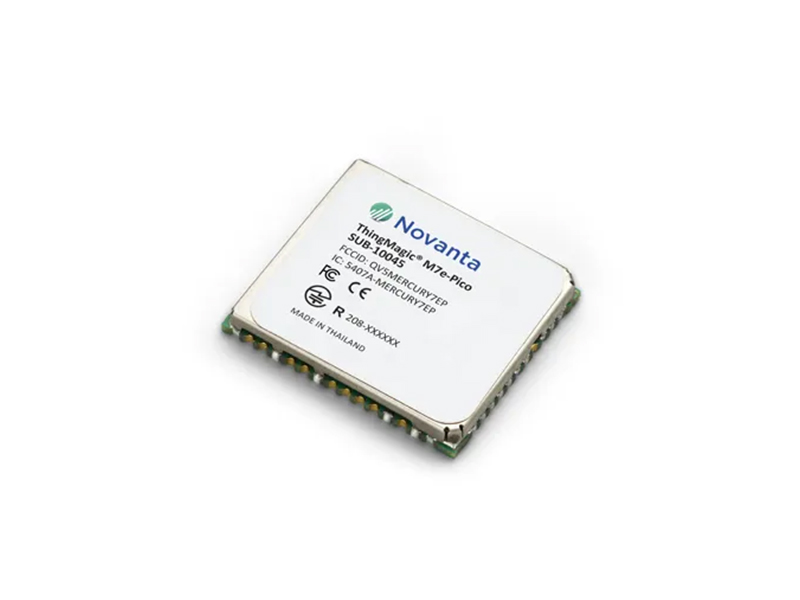
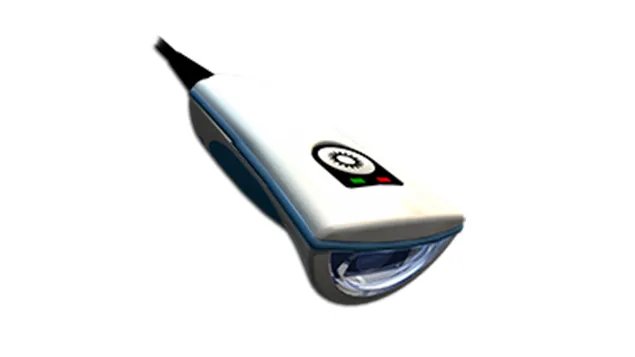
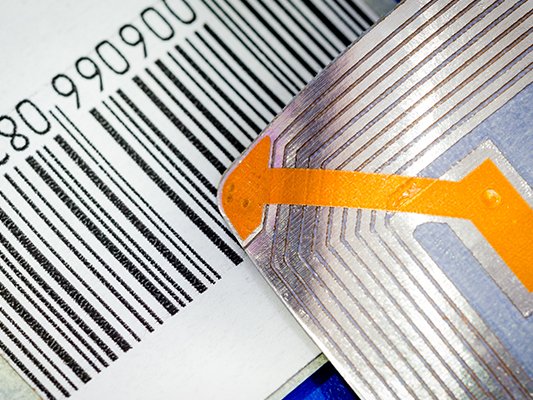
RFID (radio frequency identification) has many uses and benefits for the retail industry. This type of technology uses radio waves to send communications between RFID tags (which can be attached to items in a retail store) and RFID readers embedded with RFID modules.
Using RFID technology in retail applications enables retailers to:
- See exactly where products are within a store or stockroom
- Automate processes such as replenishment and checkout
- Support store security, reducing theft and associated costs
- Offer an innovative, more tailored shopping experience to customers
What is RFID Used for in Retail?
RFID retail applications can transform the way a store runs, benefiting staff and customers alike. Here are some of the key reasons to use RFID technology in retail environments:
- Track Assets in Real-Time: RFID tags support retail inventory management to track products in real-time; on the shop floor, in the fitting room, in the stockroom, and anywhere else they may move to. This supports stock visibility and security, provides detailed insights into purchasing behavior, and even helps businesses to monitor external factors, such as the temperature of perishable items.
- Accurate Inventory Management: Get up-to-the-minute insights into the store’s inventory, and automate time and resource-intensive stock audits to improve overall efficiency.
- Inform Business Decisions: Using RFID for asset tracking in retail stores provides real-time data into customers’ shopping habits and buyer behavior to inform future marketing and merchandising choices.
- Streamline Operations: Using RFID in retail can automate processes and significantly speed up checkout, freeing up staff members’ time so they can help more customers, supporting improved productivity.
- Automate Replenishment: Engineer an RFID system that can trigger an alert for an automatic reorder when an item goes out of stock to support customer satisfaction.
- Improve Store Security: Attaching RFID tags to products can help to prevent theft and loss, benefiting your business’ bottom line.
Example Use Cases of RFID in Retail
From retail kiosks to automated checkouts, there are many ways to use RFID in retail. Below are some of the most innovative uses:
1. Smart Mirrors
Retail smart mirrors can be used in either a physical or virtual fitting room to personalize the shopping experience. RFID modules can be embedded into traditional mirrors to provide styling suggestions based on certain criteria, react to voice commands, and help customers find alternative items or sizes via a digital display.
Smart mirrors are at the forefront of the future of RFID in retail, allowing customers to try items on virtually, transforming the potential of online shopping. For businesses, using RFID in retail smart mirrors can provide accurate insights into the items customers are most interested in to inform future product design and marketing decisions.
2. RFID Kiosks
Retail kiosks embedded with RFID scanning technology can read RFID tags on products for faster checkout, even when staff are busy elsewhere in the store. RFID retail kiosks enable secure, efficient transactions, supporting a seamless, user-friendly shopping experience. RFID kiosks can be particularly beneficial at pop-up events, reducing the queue time for purchases at festivals or conferences for seamless checkout, so shoppers aren’t taken away from the overall event experience.
3. Smart Shopping Carts
Smart shopping carts and other RFID solutions for grocery businesses, such as smart scales, can be used to provide retailers with detailed insights into customers’ purchasing behavior. This innovative use of RFID technology in retail enables items to be weighed and priced automatically, making shopping faster and more convenient.
Tracking items as they move through the store also allows retailers to see which items are taken out of the cart and returned to the shelf, and which products customers regularly pick up more of. These data insights can then be used to inform future stock or merchandizing strategies.
4. Loss Prevention Systems
Use RFID alongside machine vision technology to build a robust retail loss prevention system. Attaching RFID tags to products and embedding radio frequency identification tech into door alarms can reduce the risk of theft and improve store security. RFID-embedded door scanners can sense when an item is leaving the store but hasn’t been paid for, helping to prevent theft and loss, and reduce shrinkage. Keep track of every item in the store or attach RFID tags to only the most valuable items to help eliminate the excess costs associated with missing stock.
5. Automated Self-Checkout
RFID point-of-sale (POS) solutions, such as self-checkouts, are among the most popular RFID retail applications. RFID self-checkout tills can scan and process multiple items at a time, meaning every barcode doesn’t need to be scanned individually. This can significantly speed up the checkout process, transforming customer experience. It also allows businesses to serve more shoppers, without compromising security.
What Are the Benefits of RFID in Retail?
The benefits of RFID in retail are extensive; whether you’re looking to tighten security, reduce stockouts or save money, the advantages of using RFID in retail can be huge:
- Save Money: Using RFID technology in retail can help businesses to reduce their costs, as RFID can help to automate previously manual tasks and enabling staff to be more productive elsewhere.
- Improve Supply Chain Visibility: Using RFID for asset tracking in retail in real-time provides detailed insights at every step of the supply chain, supporting enhanced inventory management. Know when items are set to arrive in-store to keep shoppers better informed, and track products from the delivery van to the stockroom to the shopfloor.
- Avoid Stockouts: Reduce the risk of running out of key products thanks to the enhanced real-time insights that RFID can provide. Stay well-stocked to avoid customers being disappointed and turning to your competitors.
- Make Data-Driven Decisions: Receive accurate, to-the-minute data insights into buying habits and purchase behavior via RFID tags to influence marketing and merchandising decisions. Use this data to further benefit shoppers’ in-store experiences.
- Reduce Theft: Improve store security and reduce the risk of theft with an RFID-powered retail loss prevention system. Get visibility into exactly where assets are at all times to lower the costs associated with lost or stolen items.
- Transform Customer Experience: From faster checkout processes to interactive, more personalized shopping experiences, using RFID in retail can enhance customer satisfaction, benefiting brand reputation and perception.
What’s the Future of RFID in Retail?
The use of RFID in retail has exploded recently because of the Walmart RFID mandate. Walmart has invested heavily in RFID throughout their operations and requires many suppliers to have RFID tags on individual items with up-to-date data. All of this investment is part of their broader inventory management and omnichannel fulfillment strategies. Other large retailers like Walmart, Macy’s, Lowe’s, and Target, among others, have made similar investments in RFID technology for the same reasons.
It’s clear that RFID’s use and benefits will continue to expand in the retail. Some other ways shoppers could see RFID being used in the future include:
- More efficient and accurate self-checkout kiosks
- Real-time product movement tracking in the store
- Customer behavior insights
- Dynamic pricing displays
- Interactive in-store shopping with smart mirrors and smart shelves
- Improved buy online, pick up in-store, or curbside experience
- Enhanced ship-from-store operations
Custom Retail RFID Solutions by JADAK
Discover the benefits of RFID for retail by developing custom solutions for your business with JADAK. Our expert engineers will collaborate with your in-house team to design retail RFID solutions tailored to your specific needs that will benefit both staff and customers.
Our industry-leading RFID technology includes the smallest embedded modules available on the market, and custom engineering ensures seamless integration and compatibility with your existing systems. Keep closer track of your inventory, monitor the location and status of products in real-time, and personalize the shopping experience with RFID systems by JADAK.