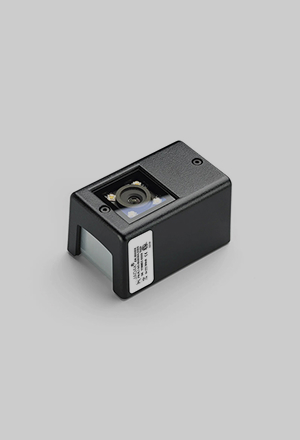
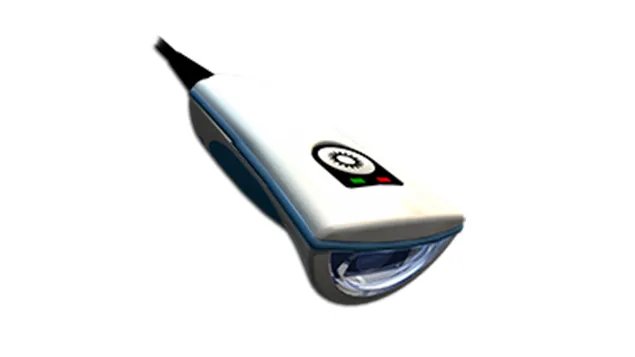
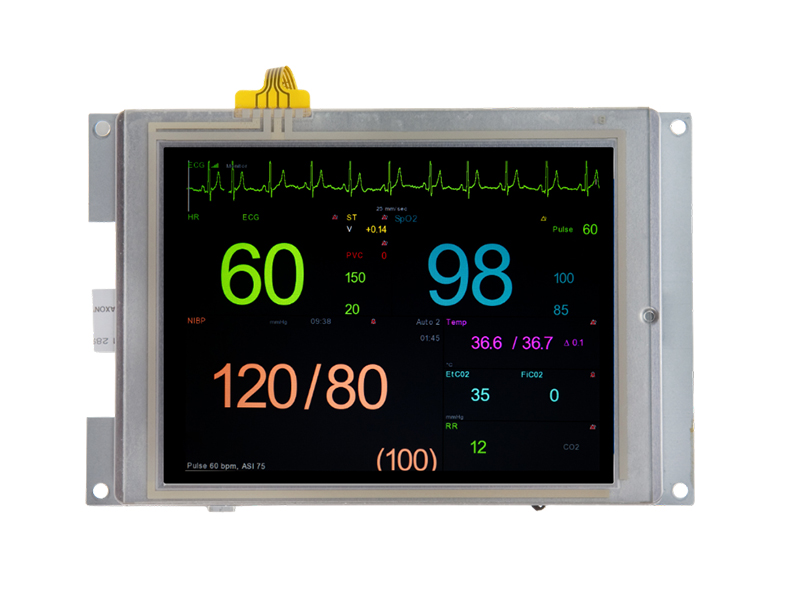







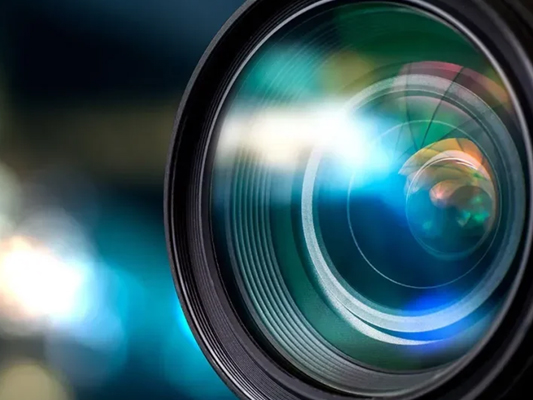
A machine vision camera captures images or videos of a scene, which are then processed and analyzed using machine vision algorithms.
Machine Vision Cameras: How They Work
The following aspects define how machine vision cameras work and how they compare.
- Sensor: Machine vision cameras typically use charge-coupled devices (CCD) or complementary metal-oxide-semiconductor (CMOS) sensors to capture images. These sensors convert light into electrical signals that can be processed by a computer.
- Optics: Machine vision cameras often have lenses or filters to focus the light and improve image quality. Some cameras may also have infrared or ultraviolet filters to capture images in specific wavelength ranges.
- Resolution: The resolution of a machine vision camera refers to the number of pixels in the image. Higher resolution cameras can capture more detail, but they may also require more processing power to analyze the data.
- Frame Rate: The frame rate of a machine vision camera refers to the number of images captured per second. Higher frame rates can capture fast-moving objects or scenes, but they may also require higher bandwidth and storage capacity.
- Triggering: Machine vision cameras trigger manually or automatically, depending on the application. For example, a camera mounted on a manufacturing line can trigger by a sensor to capture images of each product as it passes by.
- Interface: Machine vision cameras typically have a digital interface, such as Gigabit Ethernet or USB, that allows the camera to communicate with a computer or other device. Some cameras may also have built-in processing capabilities or firmware for programming the camera to perform specific tasks.
Types of Machine Vision Cameras
There are several types of machine vision cameras available, each with their own strengths and weaknesses. Here are some of the most common types:
Area Scan Cameras: These cameras capture a rectangular image of a scene and are suitable for applications where the objects being inspected are relatively stationary. Area scan cameras are available in a variety of resolutions and sizes, from small cameras for embedded applications to large cameras for industrial automation.
Line Scan Cameras: These cameras capture a single line of pixels at a time, and help applications where objects are moving on a conveyor belt or production line. Line scan cameras capture images at high speeds and specialize in web inspection or defect detection.
Thermal Cameras: These cameras capture images based on the temperature of objects in a scene, and monitor temperature in industrial processes, detect hot spots in electrical systems, or detect people or animals in low-light environments.
3D Cameras: These cameras capture depth information in addition to color or grayscale images, allowing for the creation of 3D models of objects or scenes. 3D cameras aid in applications such as robotics, automation, and quality control.
Smart Cameras: These cameras have built-in processing capabilities and are able to perform some image analysis tasks directly on the camera itself. Smart cameras use applications with real-time processing, such as tracking moving objects or detecting defects in real-time.
Machine Vision Cameras and Machine Vision Software
The machine camera itself is just one aspect of machine vision. Machine vision software comprises the “thinking” aspect of machine vision. This software works by processing visual data from cameras or sensors and using algorithms to extract useful information or make decisions based on that data.
Machine vision software may also include tools for visualization and analysis. This is commonly seen with displaying images or videos, generating reports, or integrating with other software systems. Machine vision software is a key component of a machine vision system. The software enables the analysis of visual data to extract useful information and make decisions based on that data.
Machine Vision Cameras At Work
Smart cities are harnessing next-gen edge camera platforms for their modular hardware and
software characteristics, benefiting city managers and urban developers with deep visibility into
traffic and its patterns over a wide range of use cases that impact everyday lives.
Contact us today to discuss how machine vision cameras are working for the traffic control industry.