










Machine Vision: What Is It?
Machine vision (MV) enables machines, with the use of computers, to process and interpret visual information like humans do. This helps machines perform tasks that typically require human perception and interpretation. Machine vision involves capturing an image or a series of images, while processing and analyzing the data to extract meaningful information. This technology has numerous applications in various industries These industries include manufacturing process automation, healthcare engineering, supply chain engineering, and security, among others.
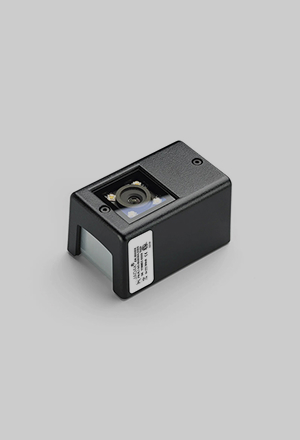
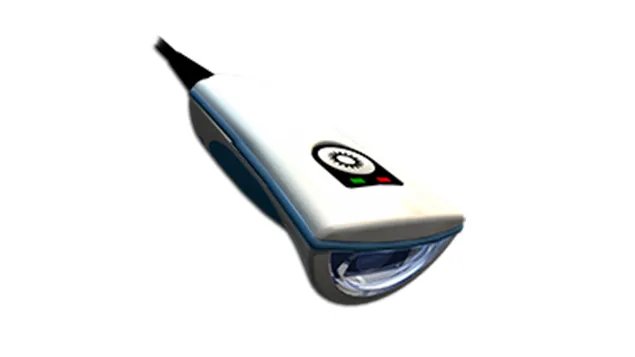
Machine vision systems typically consist of a machine vision camera or sensor, a processor or computer to analyze the images. The system also includes software that provides the necessary algorithms for processing and interpretation. The technology has advanced significantly in recent years, thanks to the increasing availability of powerful computers, high-quality cameras, IoT, cloud computing, and sophisticated algorithms that can process large amounts of data in real-time.

Machine Vision: How Does It Work?
Machine vision works by using various hardware and software components to capture, process, and analyze visual information. The process for machine vision generally follows these tasks:
- Image Capture: Captures an image or series of images using a digital camera or sensor. The camera mounts on a robotic arm, conveyor belt, or other equipment to capture images from different angles or positions.
- Preprocessing: Before analyzing the images, data may need preprocessing. This is to correct for distortion, lighting, or other factors that could affect the accuracy of the analysis. Preprocessing involves adjusting brightness and contrast of the image, removing background noise, or applying filters to enhance features of interest.
- Feature Extraction: Once the image preprocesses, machine vision algorithms extract specific features from the image, such as edges, corners, or shapes. This may involve applying edge detection or segmentation algorithms to identify distinct regions within the image.
- Pattern Recognition: After the features extract, machine learning algorithms recognize patterns or objects within the image. This may involve training the algorithm on a dataset of labeled images to learn what different objects look like. And then, using that knowledge to identify similar objects in new images.
- Decision Making: Once the pattern recognition algorithms have identified objects within the image, machine vision systems make decisions based on that information. For example, if a defect is detected in a manufacturing line, the system automatically stops production to prevent further damage.
Benefits Of Machine Vision
Machine vision has the potential to enhance productivity, accuracy, and efficiency. This is due to machines processing data at a faster rate and with greater precision than humans. It can also help reduce costs by automating repetitive visual inspection tasks and eliminating human errors.
Engineering
Machine vision serves the engineering industry in several ways, including:
- Quality Control: Detect defects or anomalies in products that are not easily visible to the human eye. This can help engineers identify problems early on in the manufacturing process and prevent costly mistakes.
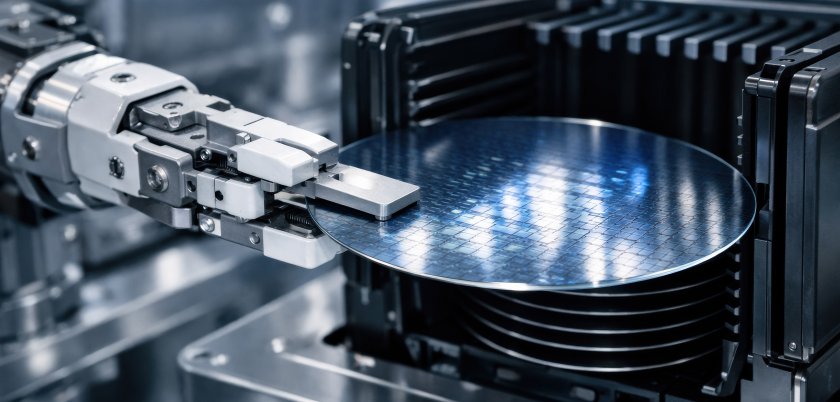
- Inspection and Measurement: Inspect and measure parts and components. This is crucial in ensuring they meet specifications or detect cracks or other damage in materials.
- Automation: Automate various tasks in the engineering industry. This is seen with assembling parts or identifying defects, increasing productivity and reducing costs by eliminating the need for manual labor.
- Design and Development: Assist engineers to visualize and simulate how a new product will look and function in real-world conditions.
Artificial Intelligence And Machine Learning
Machine vision integrates with Artificial Intelligence (AI) and Machine Learning (ML) algorithms in several ways to enhance machine vision capabilities, including:
- Object Recognition: AI algorithms recognize objects and patterns within images or videos.
- Image Processing: AI enhances the accuracy of image processing algorithms used in machine vision.
- Machine Learning: Machine learning algorithms improve the accuracy of machine vision systems over time. For example, an AI system can analyze data from previous inspections to learn what defects are most common and develop better algorithms for detecting them.
- Real-Time Analysis: AI enables real-time analysis of visual data, allowing machine vision systems to respond quickly to changing conditions.
Edge Computing
Machine vision and edge computing enable real-time processing and decision-making at the edge of a network. This is done without needing data sent back to a central server or cloud for processing. Here’s how machine vision and edge computing can work together:
- Data Acquisition: Machine vision systems capture images or videos of a scene. These systems then use algorithms to extract useful information from that data.
- Local Processing: Instead of sending the visual data to a central server or cloud for processing, edge computing devices located closer to the source of the data can perform real-time processing and analysis of the data. This can help reduce latency and bandwidth requirements.
- Decision Making: Machine vision algorithms running on edge computing devices can make decisions based on processed visual data, such as detecting a defect in a manufacturing process or identifying a security threat.
- Data Transmission: Edge computing devices can transmit only the relevant data. This can include processed visual data or alerts, back to a central server or cloud for further analysis or storage.
By combining machine vision and edge computing, companies can achieve real-time processing and decision-making. These benefits are seen in a variety of applications, such as industrial automation, security monitoring, or autonomous vehicles. Edge computing can reduce the costs and bandwidth requirements. These requirements are often associated with sending large amounts of visual data to a central server or cloud for processing.
Machine Vision: Final Thoughts
We are an industry leader in providing powerful machine vision products and software for a variety of industries. Learn more about how we can improve speed and efficiency using machine vision in the medical industry.