








ROBOTICS & AUTOMATION
Semiconductor & Metrology Equipment
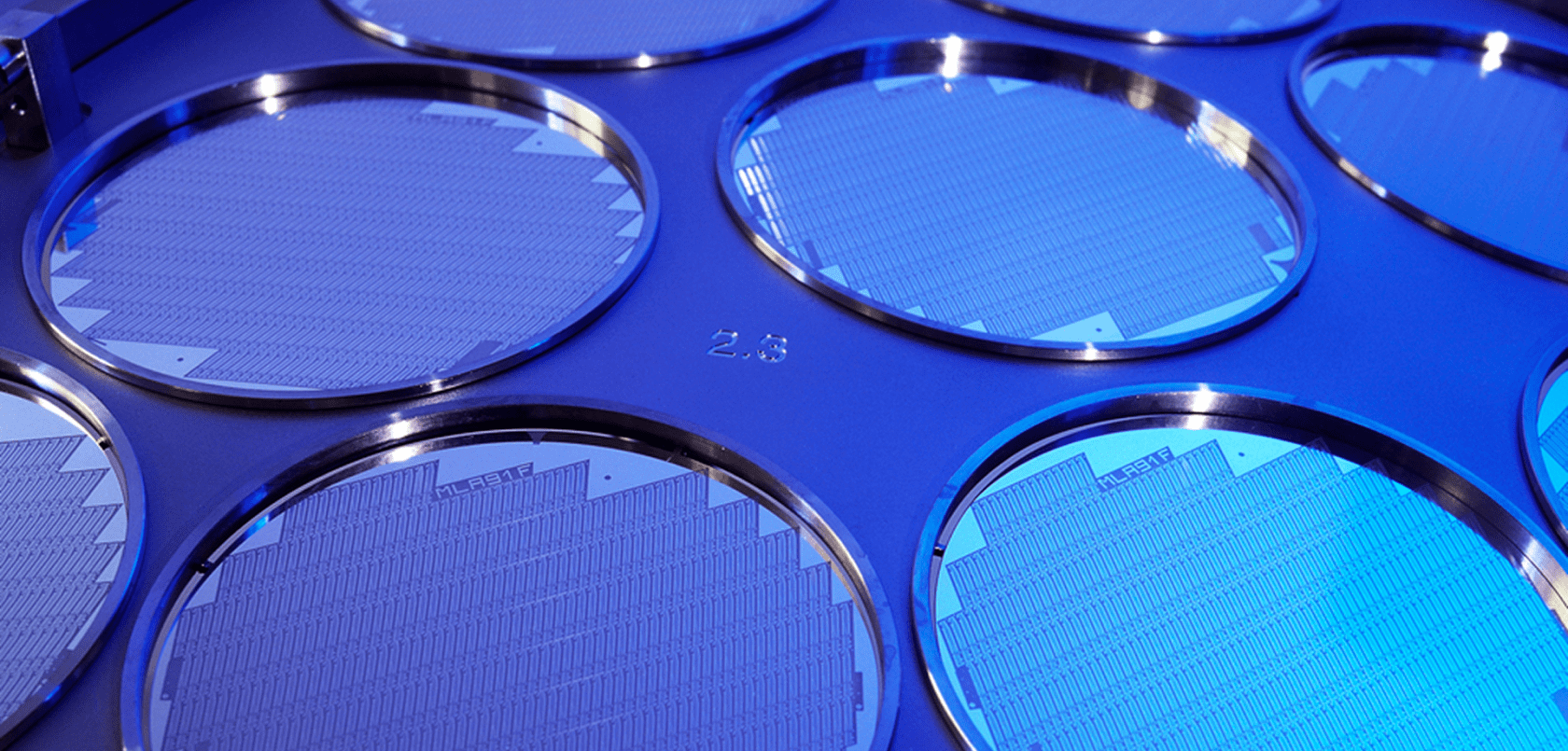
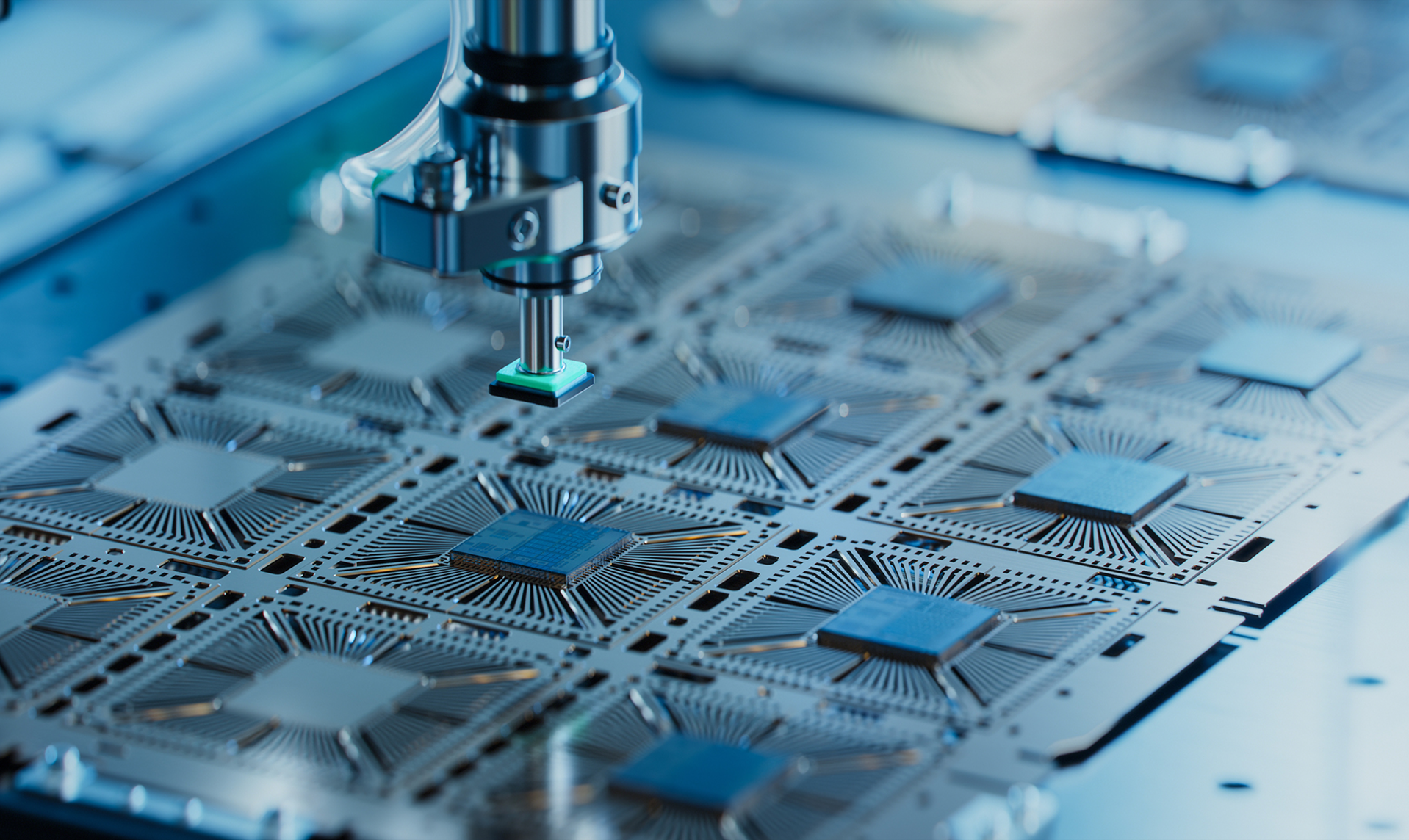
Delivering ultra-precise motion and feedback for wafer handling, lithography, and metrology tools. Our high-performance drives, encoders, and automation components ensure nanometer-level control and maximum system uptime.
Semiconductor & Metrology Equipment Technology
Reliable Motion for Demanding Environments
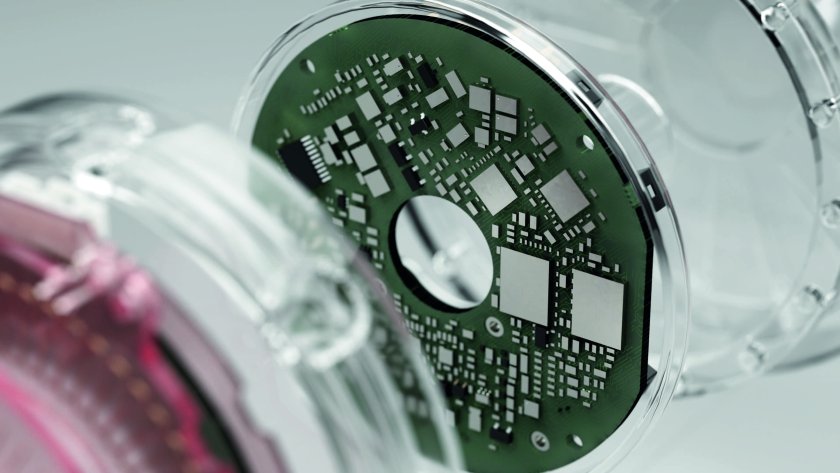
Reducing the size of any electronic motion application is only possible if the component’s designs are compact. Servo drives are key to be optimized for reducing space and adapting to the specific form-factor of the final application. With the buried-via multi-layer technology it is common to find 16 or even 32 stacked layer designs embedded in a nail-size servo drive. This high level of compactness and integration allows the multi-axis robots to be modular, more efficient, and minimize wiring.
Ultra-Low Latency
Ingenia’s drives allow for system latencies of down to 1 EtherCAT cycle. Such a feature is mandatory for highly responsive systems where motion commands must be executed instantly, minimizing lag, and maximizing safety and efficiency.
High-Precision Feedback for Quality Control
Minimum standby power consumption ensures that the servo drives use as little energy as possible when idling. Most importantly, however, low standby power consumption ensures that the overall temperature of the system stays low, especially in applications where people or delicate objects are involved, as it won’t lead to any damage. Ingenia’s drives have an optimized standby power consumption down to 1.2 W per axis while keeping the efficiency up to 99%.
STO SIL3 PLE – Functional Safety
All our products feature certified STO SIL3 PLE Functional Safety, providing any application with a function to set motors in a state where no torque is produced. This allows for safe applications for the electronics and, most importantly, for any person who may be around the final motion control application.
Compact Integration for Modern Machine Design
In applications where weight is crucial, a lightweight servo drive is one of the first, most important requirements. We make sure to minimize the components assembled in our products to decrease their weight to the absolute minimum while still satisfying our customer’s needs and application requirements while maintaining the best performance in the market.
Medical Standards
Experience designing servo drives according to electrical medical equipment standards such as:
- IEC 60601 standard provides general requirements for basic safety and essential performance.
- ISO 15858 standard describes the minimum specifications on UVC safety for products, and equipment utilizing UVC lamp fixtures.
- ISO 14971.
Challenges in Semiconductor & Metrology Equipment
Designing wearable machines that conform to the human body is challenging. Exoskeleton devices need to be small, light, compact, and reliable, delivering a trusted, comfortable, wearable solution.
Types of exoskeletons:
- Biomedical exoskeletons
- Industrial exoskeletons
- Military exoskeletons
Biomedical exoskeletons are designed for rehabilitation or motion assistance purposes. These help people who experience constant, or temporary, partial immobility. Industrial exoskeletons are made to assist workers that perform physical activities of prolonged duration or highly redundant tasks, such as working on a manufacturing assembly line.
Recommended solutions
Novanta’s proven solutions have been purposely designed with specific applications in mind. Fins a selection of our recommended solutions below.
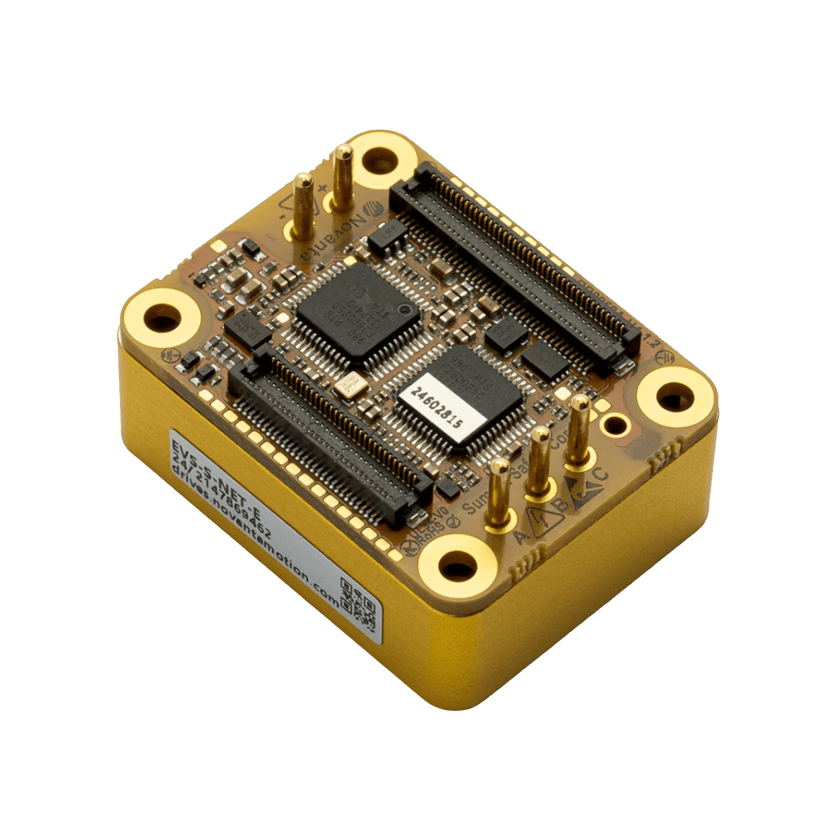
Everest Safe
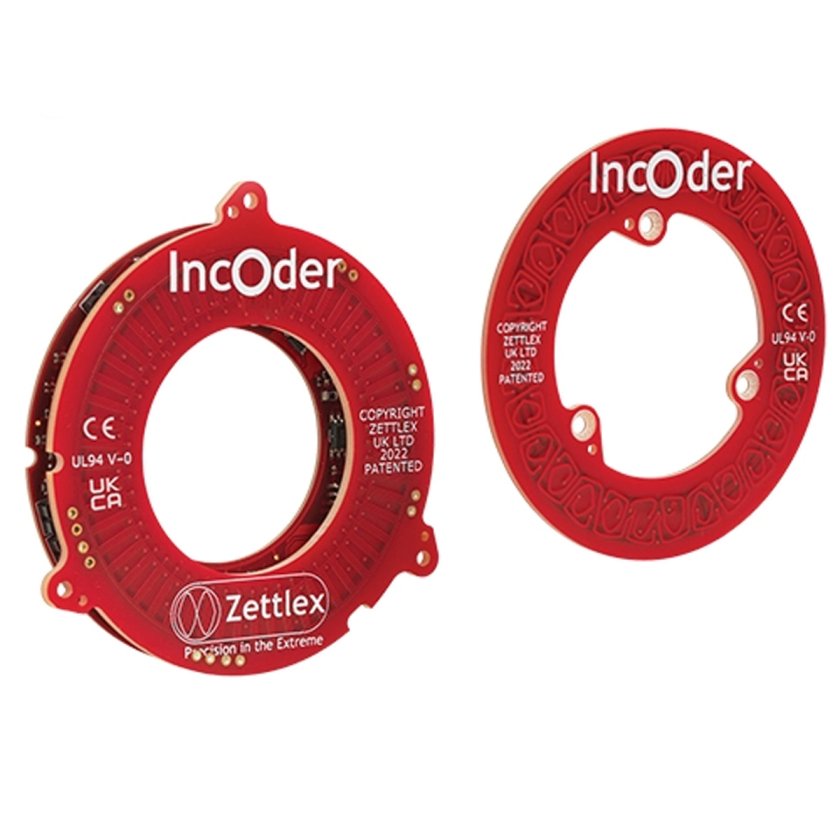
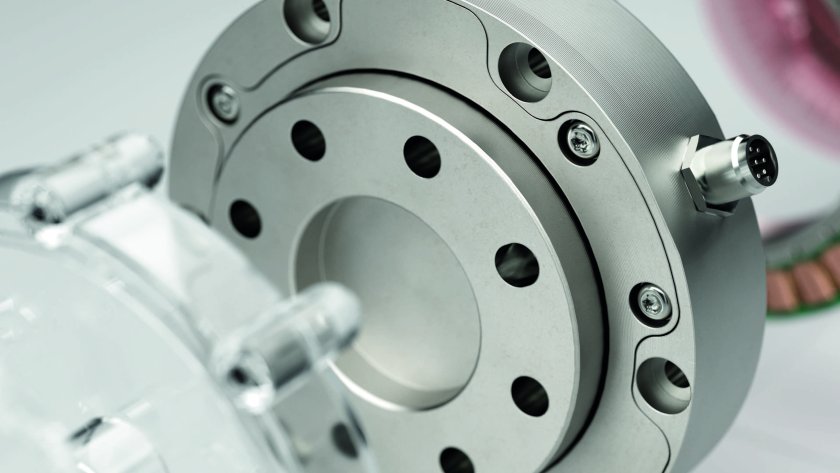
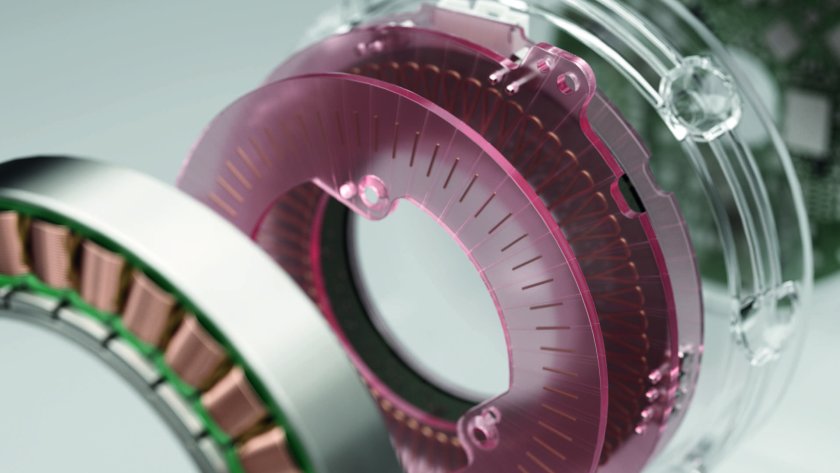
IncOder™ CORE Inductive Angle Encoder
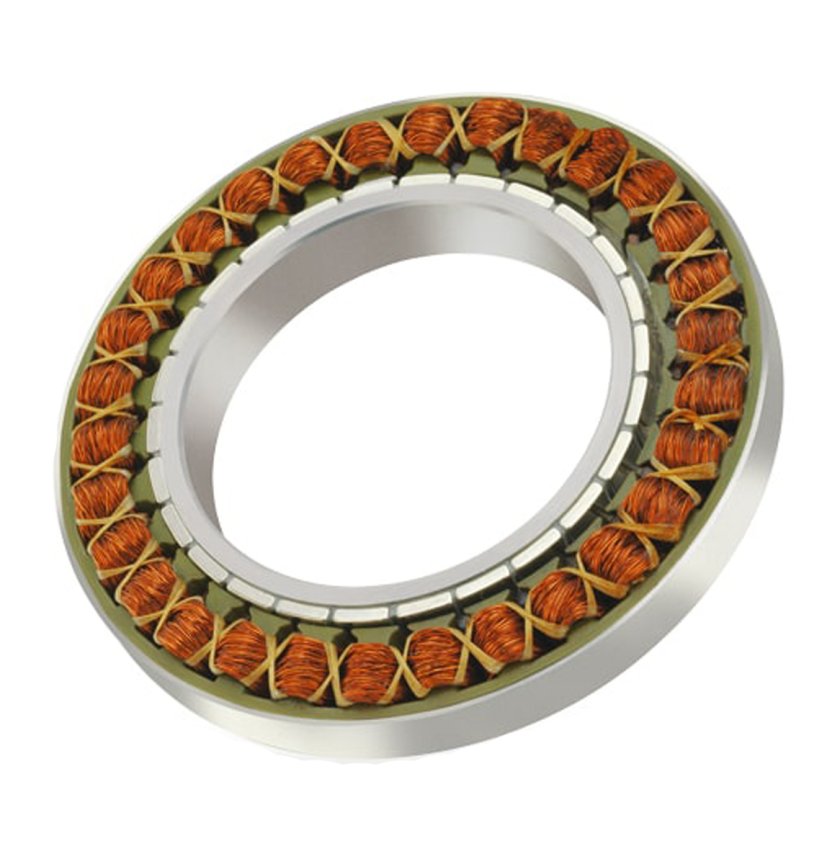
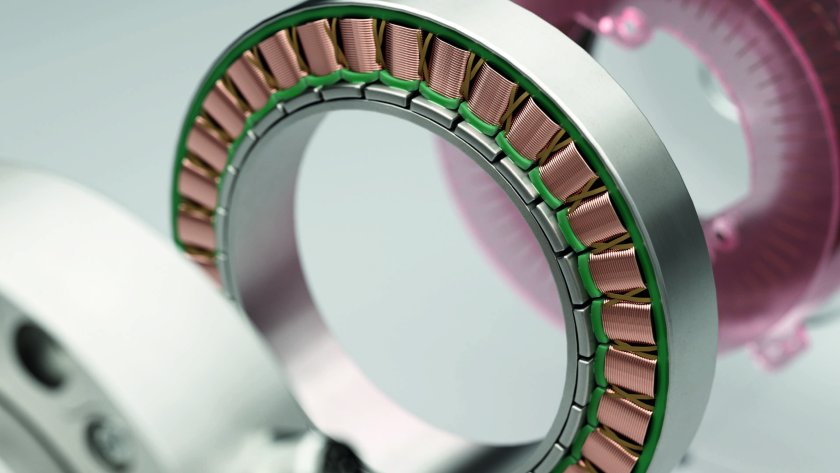
Omni+ Series Frameless Motor
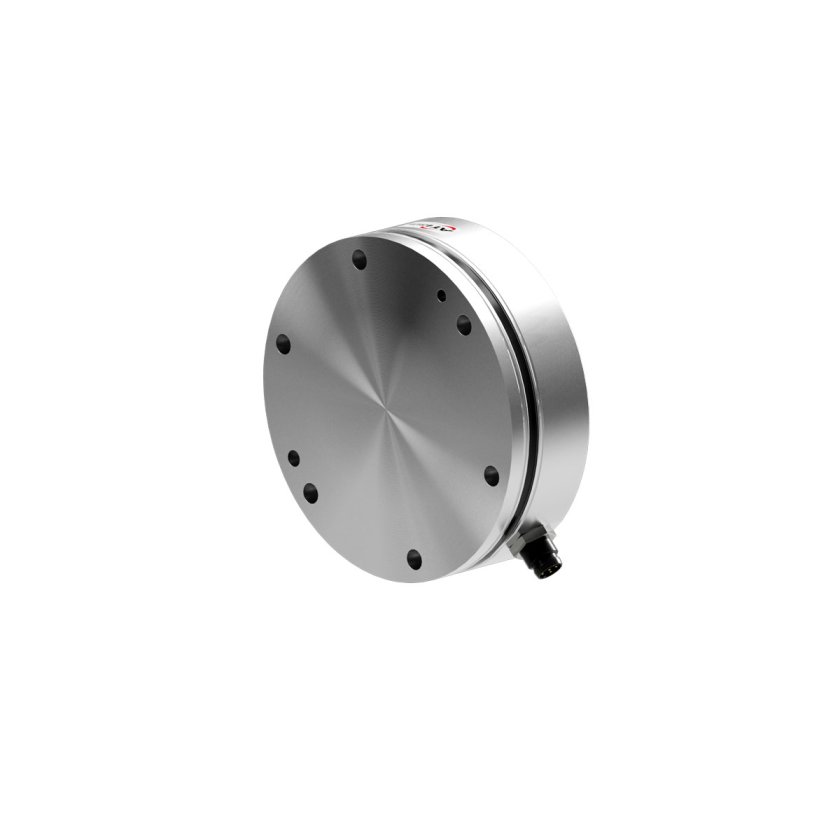
Axia80 Force/Torque Sensor Kit
Talk to an Expert
Ready to overcome your challenges and unlock the full potential of your robotic applications? Contact our expert team today.