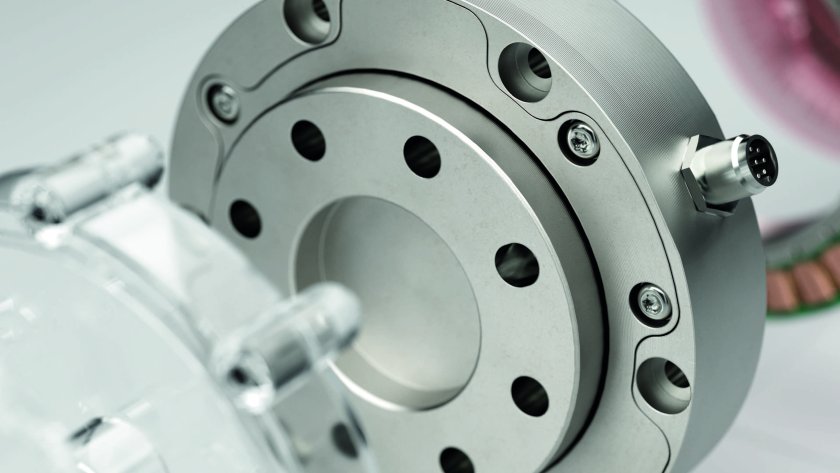
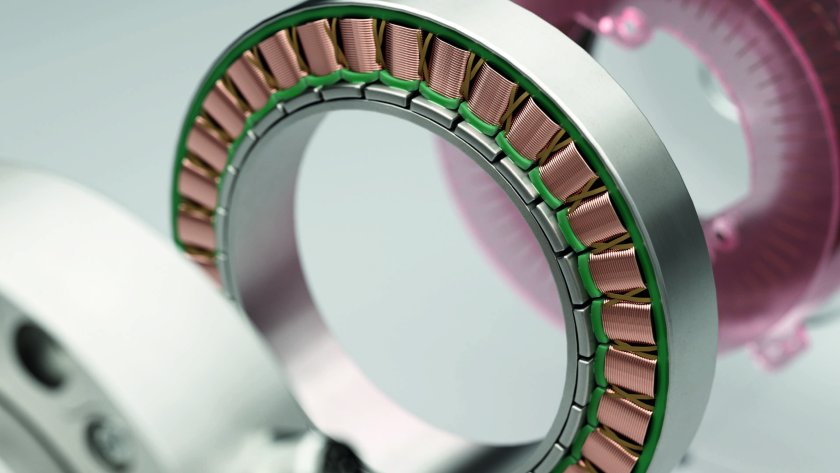
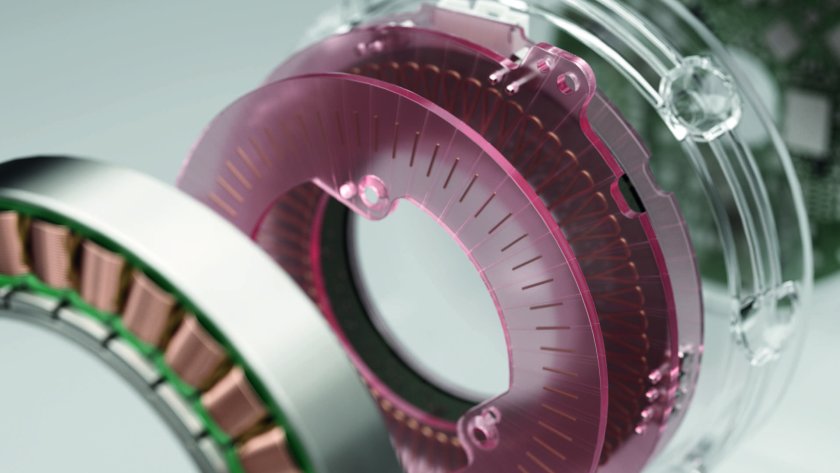
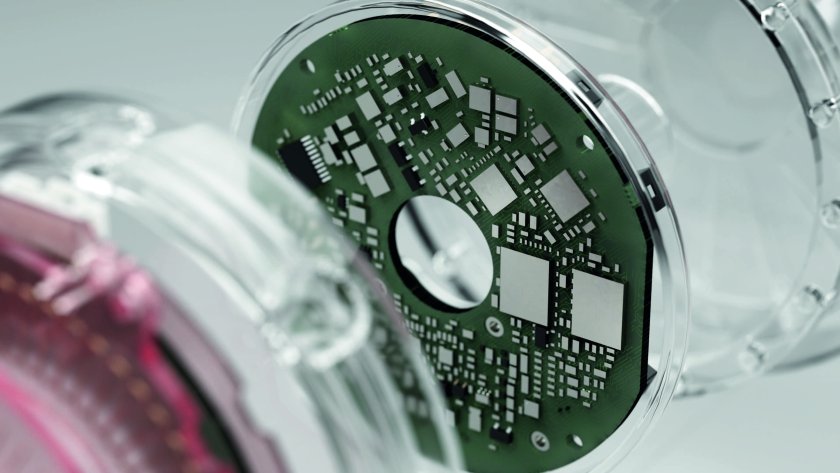

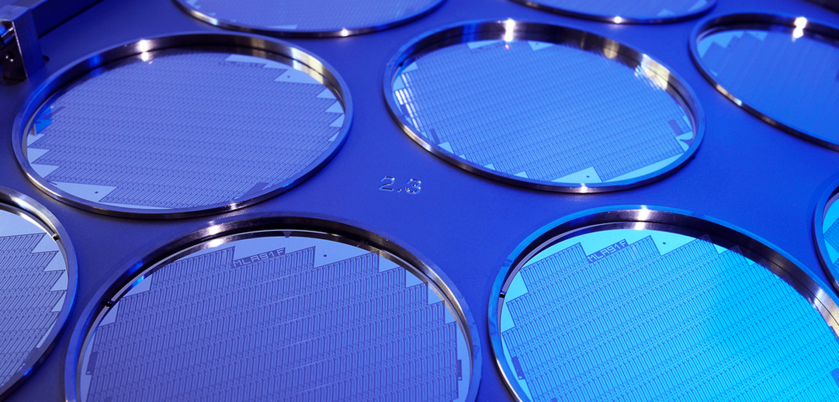









Inductive sensors operate on the basic principle of electromagnetic induction whereby an electromotive force is induced across a conductor (target) within a changing magnetic field generated by an antenna. Inductive rotary sensors differ from electrical transformers like resolvers in that their conductive elements are based on printed circuit board (PCB) traces rather than windings. This yields numerous benefits including greater design flexibility; lower cost, size, and weight; and a true absolute digital position output. Like resolvers, inductive rotary sensors are capable of high accuracy angle position measurement in challenging environments.
Before exploring the specific use cases of inductive sensors, it is worthwhile outlining a few different types of inductive sensors in more depth.
3 Types of Inductive Sensor
- Inductive angle encoders are angle position sensors that operate like inductive transformers comprising a flat, ring-shaped stator and a rotor with a large bore for cables, optical fibres, through-shafts, and so on. These are ideal for non-contact sensing in tough environments.
- Inductive linear sensors measure absolute linear position based on the same basic principles as rotary sensing elements (i.e. using a target and antenna).
- Inductive proximity sensors are a common type of inductive sensor used to detect the approach of nearby metal objects in factory automation equipment. Inductive proximity sensors use the same operating principles as inductive encoders, however rather than consisting of both a target and antenna, the inductive proximity sensor contains an antenna, with the incoming external metal object as the target.
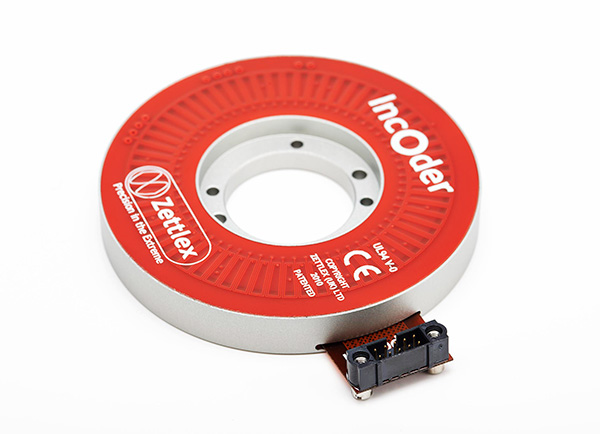
Zettlex Inductive Sensor
Applications of Inductive Sensors
The superior design flexibility and exceptional performance of inductive sensors makes them an ideal fit for a wide range of market segments, from medical robotics through to subsea robotics.
Satcom
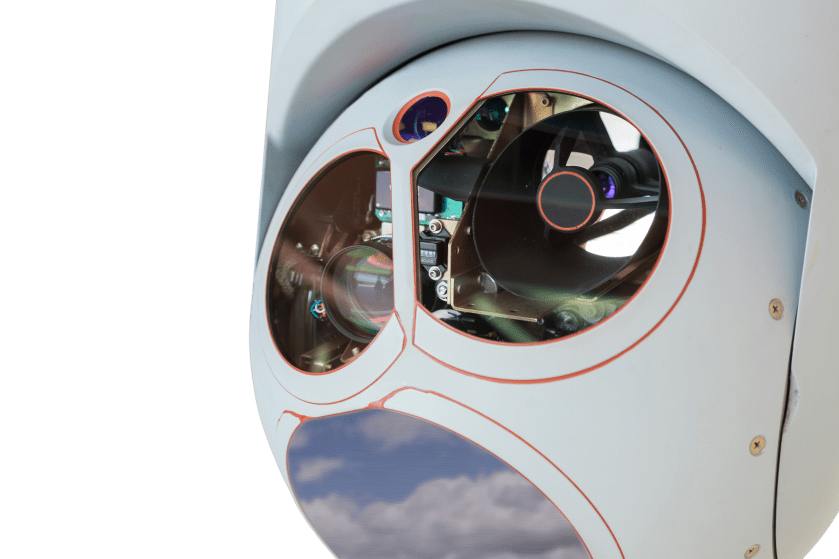
Satellite communication systems are an important component within global communication networks. Network infrastructure is required to grow to meet the ever-increasing demand for data transmission. SATCOM systems include high performance Ka-, Ku- and X-band antenna pointing systems in SATCOM-on-the-move, and SATCOM-on-the-pause settings. Utilized in numerous ground vehicles, maritime ships, and aircraft, these antennas are designed in a range of sizes, for different frequencies and applications. Inductive sensors provide reliable position feedback for optimized motion control within antenna pointing systems. Designed for use in harsh environments, inductive sensors are highly immune to EMI and operate in extreme temperatures, as well as wet, and dirty settings.
Medical
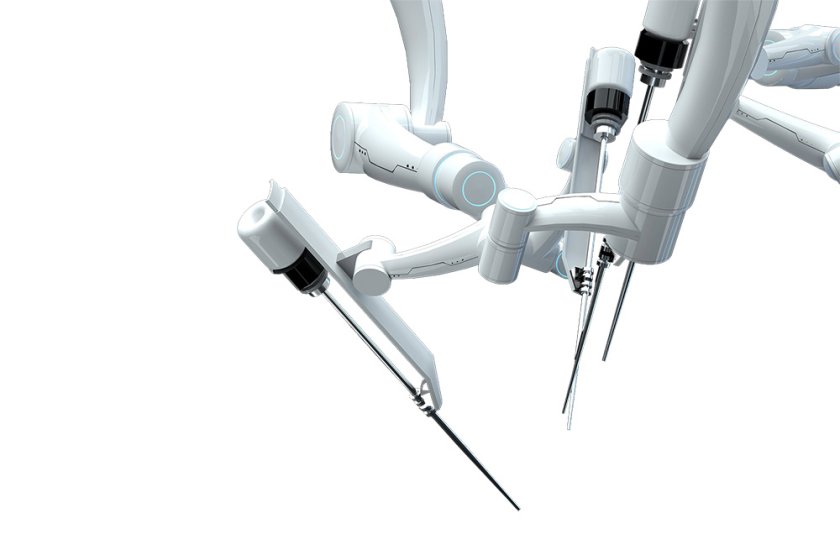
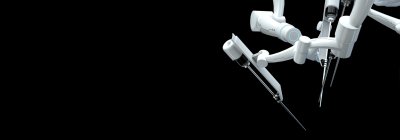
Innovations in the automation of medical tasks are always advancing, equipping medical professionals with advanced tools to improve patient outcomes. High-precision inductive sensors are used as position feedback devices in a broad range of medical applications such as surgical robotics, medical imaging, and exoskeleton robotics. The common requirement is high reliability and safety in life-critical applications. In the case of surgical robotics, systems require precise, absolute position feedback from lightweight, compact inductive sensors, shaped for an exact system fit.
Subsea Robotics
Subsea robotics are essential tools deep water exploration and industry. High resolution inductive sensors are indispensable in remotely operated underwater vehicles (ROVs) comprising multiple hydraulically-actuated manipulators. With high-res outputs and complete functionality when submerged in oil, inductive sensors from Celera Motion enable complex manipulator functions in subsea ROV applications.
Interested in Celera Motion Inductive Sensors?
At Celera Motion, our flagship inductive sensor product is the new Ultra IncOder Series of inductive angle encoders. With up to 22-bits resolution, a low-profile form factor, and highly reliable non-contacting technology, our Ultra IncOder products have been proven in some of the harshest conditions on Earth. Looking for more information? Contact a member of the team today.