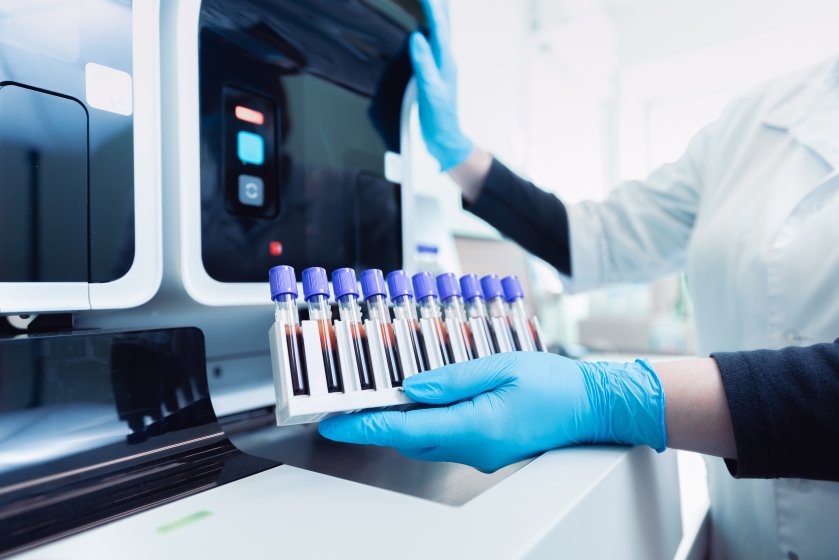









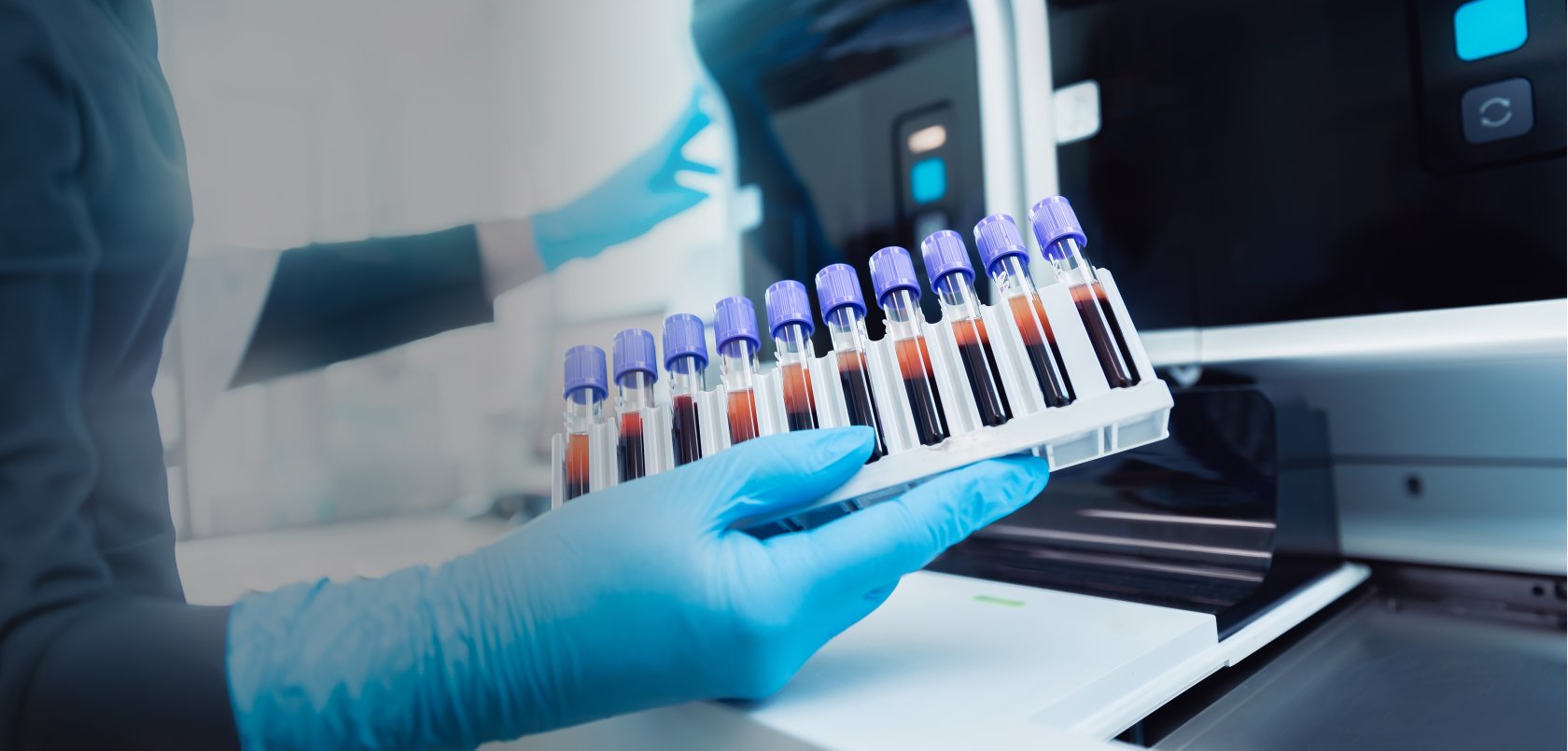
In automated in-vitro diagnostic labs, the workflows are only as strong as the technology they’re built on. A single missing vial cap, or a cap that hasn’t been removed, can disrupt the workflow. A stalled workflow can lead to a lost or ruined sample, or cause damage to the instrument. These failures are often preventable with the right technology at key inspection points. Adding technology like machine vision and precise positioning solutions can catch these errors before they reach the machine and help labs improve reliability, efficiency, and throughput.
Where Workflows Stall in Automated IVD Systems
Modern IVD systems rely on exact coordination between robotics and sample handling systems. Every vial, cap, and rack needs to be positioned precisely where the system expects it to be for the automation to function properly.
However, in an IVD instrument, variability is the norm. Labs often process tubes from multiple manufacturers. Different tubes will have different dimensions, tolerances, and cap styles. These differences can create challenges for an automated system attempting to locate, grab, and process samples through the system.
This variability leads to these common workflow failures:
- Missing tubes in a rack
- Misaligned tubes
- Racks that are incomplete or loaded incorrectly
- Misaligned consumables
These issues usually go undetected until the robotic system takes an action and stalls the workflow. Preventing these failures before they occur is important to improve the efficiency of automation as more labs continue to increase these systems. OEMs can design more accurate workflows into automation systems by using technology to identify issues before the robotic system performs an action.
Improving Vial and Cap Presence Verification to Reduce Errors Early
One of the most effective ways for OEMs to avoid automation errors is to improve the effectiveness of vial and cap presence verification with machine vision. A machine vision system can determine whether vials and caps are present or misaligned before the robot handles the containers. This allows the system to catch errors before they happen downstream in the workflow.
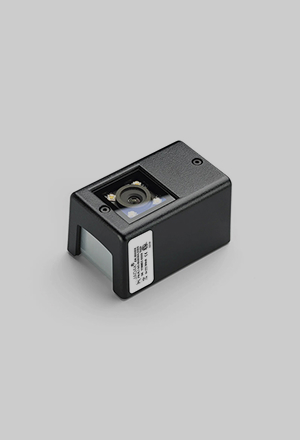
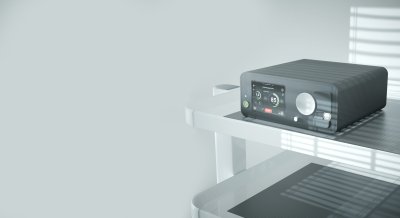
Novanta designs smart machine visions systems meant for this application. Novanta’s Advantage 182 smart machine vision camera is designed for medical automation environments. The Advantage 182 camera combines advanced deep learning AI tools with traditional rule-based vision tools on a small-form factor device that integrates directly into lab instruments.
The Advantage 182 camera can inspect trays and racks to verify if vials and tubes are present and positioned correctly. It can alert the automation system before any other actions take place. This allows the rack to be corrected immediately and reduces the risk of a failed workflow and potentially wasted samples.
Machine vision can also play a role in automating sample extraction applications. If a cap isn’t removed before the pipetting begins, the camera can alert the system before it attempts to extract a sample. The same benefit applies for applications where samples need to be sealed with a cap. Machine vision systems can learn and distinguish the difference between cap characteristics like color or type.
The key benefit of machine vision smart cameras is learning and processing images on the device itself. Errors are caught early in the process before they move through the workflow and create larger problems downstream. This reduces instrument downtime and the risk of damage to the instruments and samples.
Vision and Position Solutions for Automated Deck Inspection
Many IVD workflows require the ability to see the deck across the instrument. A small positioning error in racks, microtiter plates, and sample tubes can reduce the accuracy of pipetting and of reagent and sample transfers.
To solve this, OEMs can design instruments with smart machine vision cameras and precise positioning platforms, like XY and Z-axis positioning solutions. These technologies will automate deck inspection across the entire device.
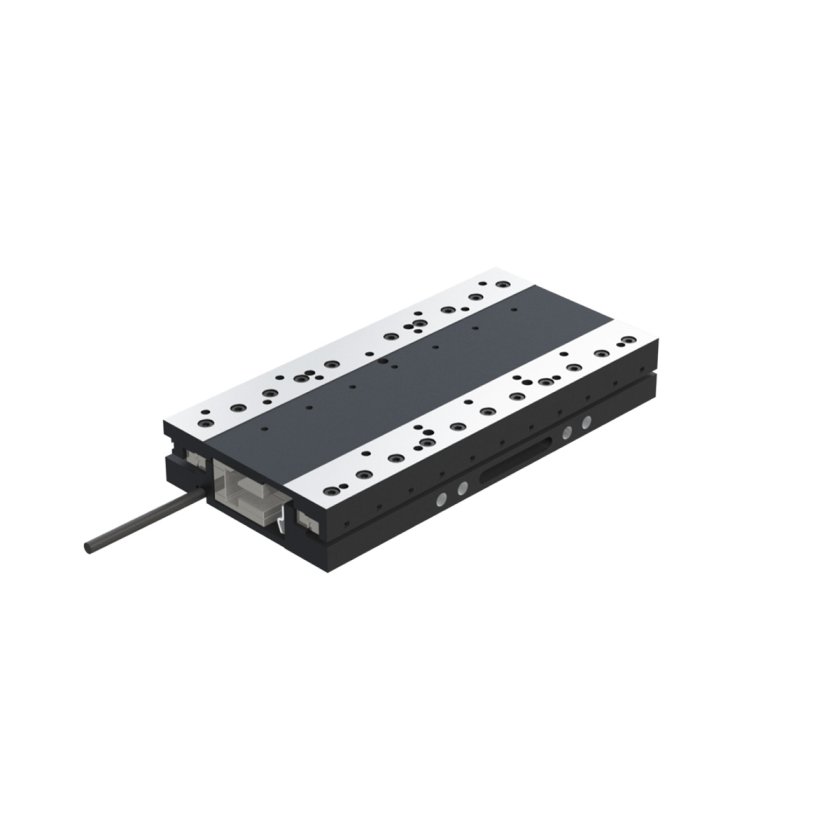
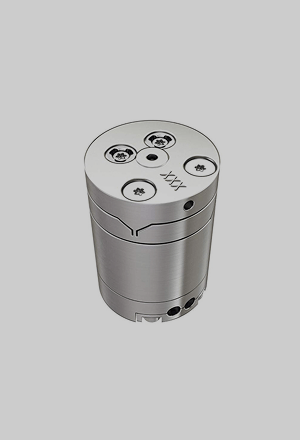
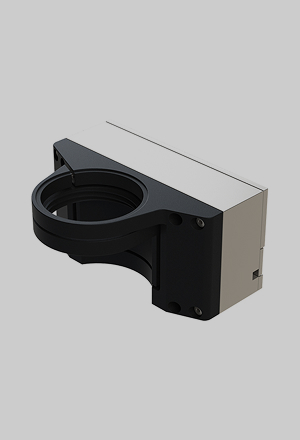
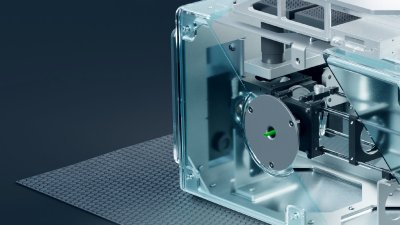
Constant image quality depends on repeatable motion from one cycle to the next. Precise motion stages maintain repeatable field-of-view alignment across different racks, plates, and consumables. Novanta offers OEMs compact, integration-friendly XY and Z-axis positioning solutions that deliver high-speed, high-accuracy positioning for advanced imaging and analytical workflows.
Additionally, stable and precise motion also matters for imaging quality. Precise motion control is critical for smart vision cameras to deliver clear images that evaluate the decks, detect deck readiness, and train the AI-based tools how to classify the different tubes, caps, and decks used in the instrument. Using a deep-learning based inspection tool means that the system can learn and account for variability in the instrument, leading to smoother operations and increased throughput.
Increase Workflow Throughput with Automation
Modern laboratories require sophisticated instruments to keep up with throughput demands. IVD machines must catch positioning and vial and cap issues early to reduce downtime and protect sample integrity.
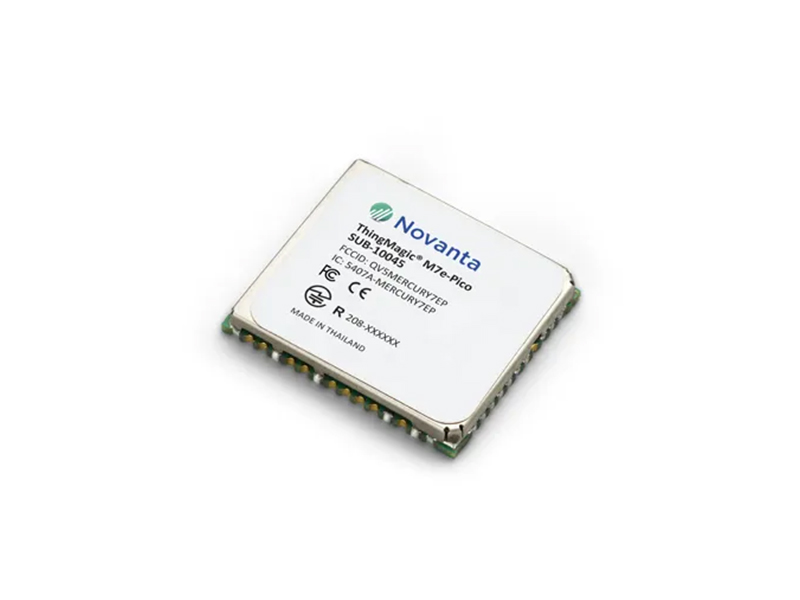
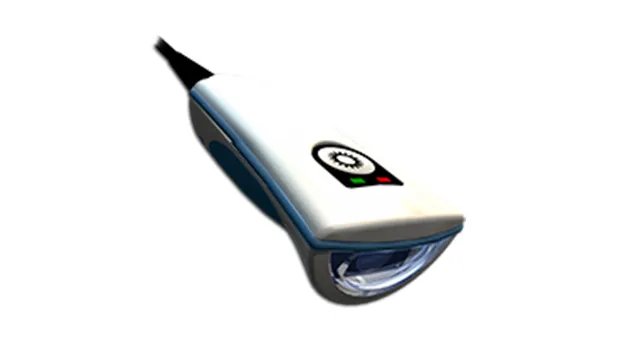
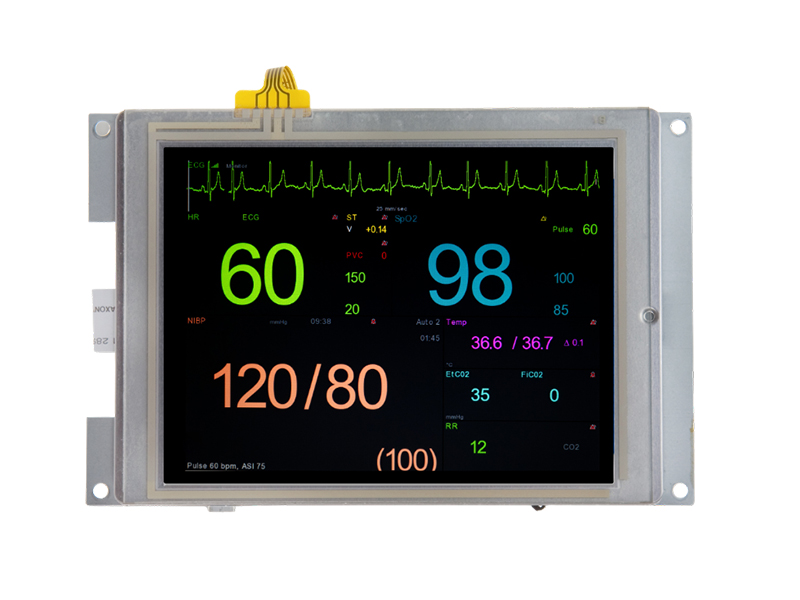
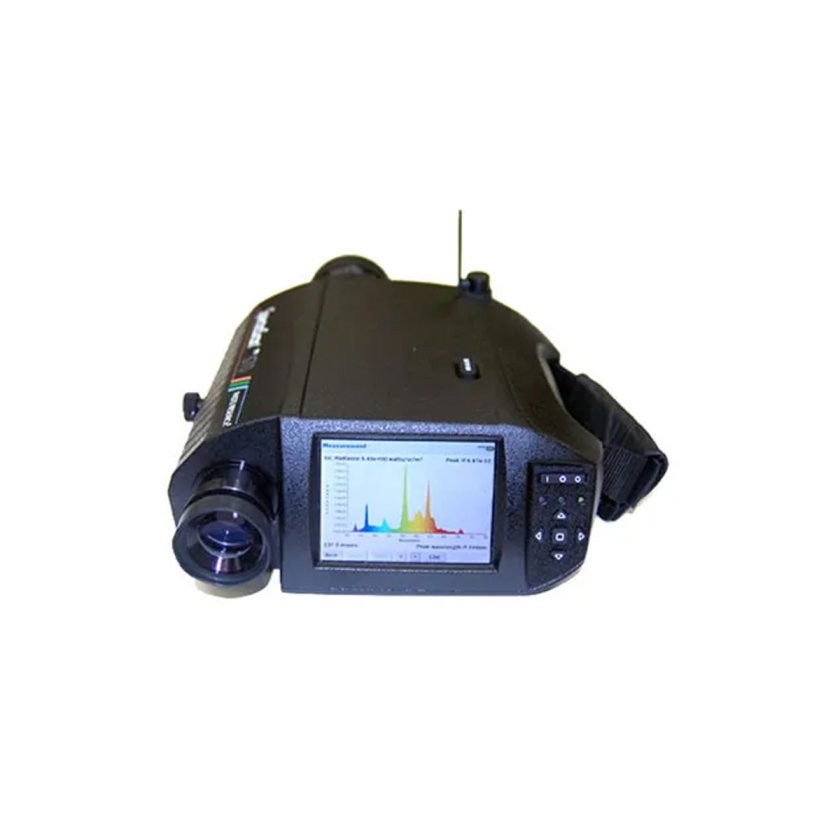
Combining a smart camera like Novanta’s Advantage 182 smart camera with precise XY and Z-axis positioning stages makes early error detection possible. These technologies, along with Novanta’s sensing and display solutions, can help OEMs build IVD machines that can withstand the sophisticated demands of labs while improving workflow consistency and efficiency.
Ready to design a reliable, consistent IVD automation instrument? Download Novanta’s Medical OEM Solutions Guide to learn how our technology solves for challenges in vial and cap verification, automated deck inspection, and other applications for laboratory automation. Or connect with Novanta’s engineering team to discuss the demands of your device and application.